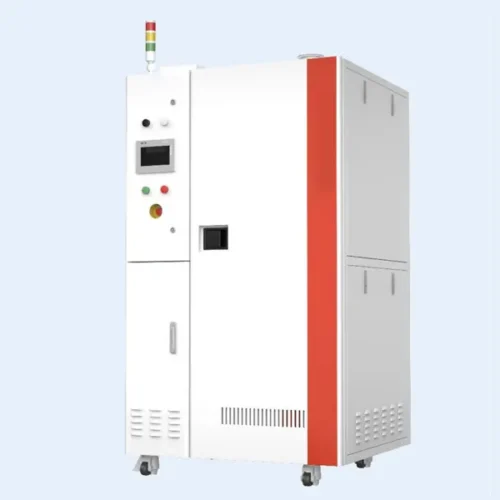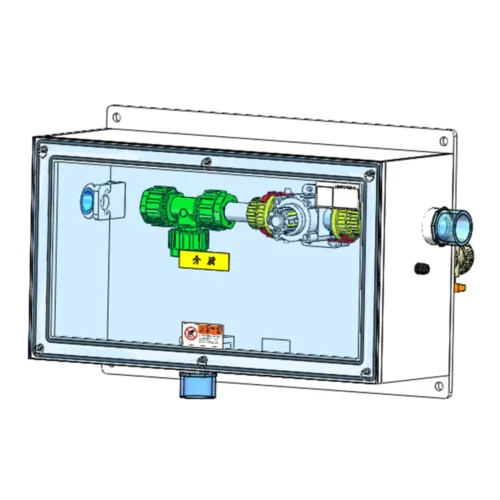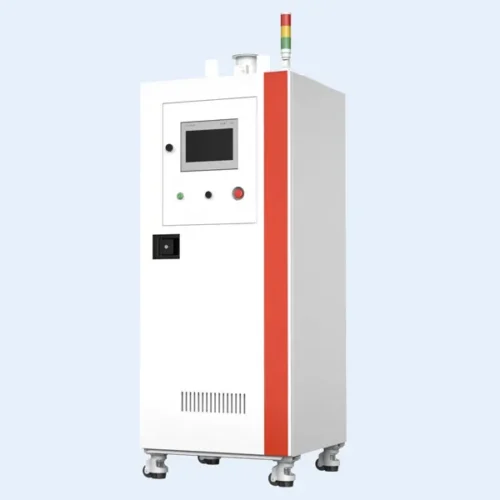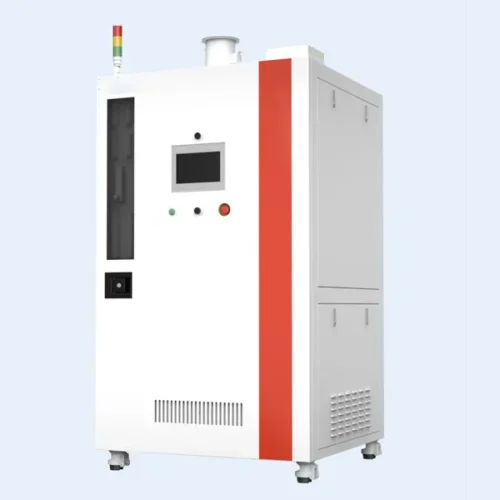
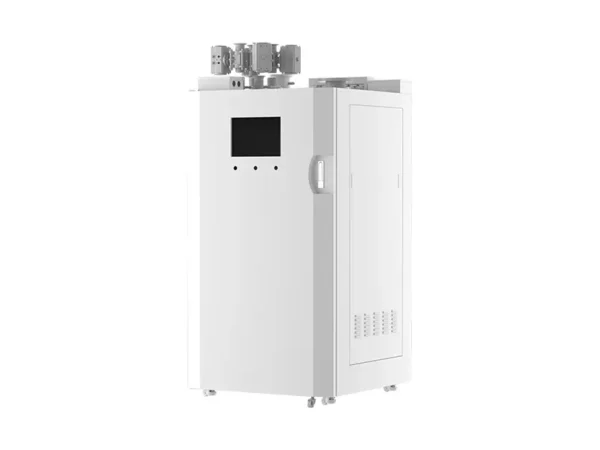
This laboratory gas scrubber is intended for project-specific exhaust treatment from fume hoods, glove boxes or research equipment. A wet stage brings the exhaust into contact with water or an engineered scrubbing solution; the final configuration depends on the actual gas mixture, inlet concentration, airflow and discharge requirement.
How to specify the treatment duty
Start with a contaminant inventory rather than a generic removal claim. Record normal and peak airflow, gas temperature, humidity, acid or alkaline components, aerosol loading and the intended operating hours. Select the scrubbing liquid and materials only after compatibility and wastewater handling are reviewed.
Integration with the laboratory
Coordinate the unit with the fume hood or equipment exhaust fan, duct pressure, drain, make-up water and maintenance access. A project may call for liquid-level, pH, differential-pressure or airflow monitoring; define each alarm and response with the facility team.
Catalog selection data
| Treatment approach | Wet absorption / liquid contact; engineered for the specified exhaust |
|---|---|
| Typical interfaces | Exhaust inlet and outlet, circulation liquid, drain and electrical controls |
| Material selection | Chemical-resistant construction chosen for the actual gas and liquid |
| Sizing inputs | Airflow, contaminant loading, pressure drop and duty cycle |
Catalog values are selection references. Confirm the supplied variant, dimensional drawing, compatible gas list, site utilities and acceptance criteria before ordering.
What to send for a quotation
Send the exhaust flow range, contaminant list, inlet temperature, facility layout, discharge target and available utilities. Contact LGF for a project review.
Explore the Laboratory Gas Scrubber category or read our laboratory exhaust treatment and purge system guidance.