
LGF / TECH SUPPORT
Laboratory Gas Technical Documents & Catalog Downloads
Use the correct document for the decision you are making. Download an LGF project data worksheet and learn how to request current product and project-specific files.
A PRACTICAL TECHNICAL GUIDE
A document is useful only when it matches the configuration
Laboratory gas system documentation has several purposes. A catalog helps compare families; a data sheet confirms the limits of an exact model; a dimensional drawing checks an interface; a system schematic maps source, controls and outlets. An operating manual and a test record answer different questions again. Treating these files as interchangeable can lead to a part being ordered for the wrong pressure, gas or connection.
This library page explains how to identify the file needed for procurement, engineering approval, installation or maintenance. A downloadable LGF project data worksheet is provided below to organize the gas and instrument brief. Product catalogs and approved drawings should be requested with the model or project reference so the revision and configuration can be confirmed before use.
01 / PRODUCT FAMILY
Use catalogs to narrow options, not to finalize a design
A product catalog is a map of available regulator, manifold, gas cabinet, valve or point-of-use families. It can show typical applications, available materials, connection styles and order structure. It usually does not establish that a particular assembly is suitable for every gas or that an option shown in one edition remains available. A project team should use the catalog to form questions, then confirm the selected configuration in current model documentation.
When requesting a catalog, state the component family and the intended gas service. If a laboratory gas control panel is custom, a general brochure may not describe the final ports, set points or alarm logic. In that case, ask for a project-specific drawing and bill of materials in addition to family literature.
02 / MODEL SPECIFICATION
Verify the exact model, pressure range and wetted path
A data sheet should identify the model and revision, rated inlet and outlet conditions, materials exposed to the gas, seals, flow or capacity information, connection dimensions and any restrictions. Procurement and engineering reviewers can use it to test the selection against the instrument schedule. A high-purity description or an attractive photo is not a substitute for a confirmed material and pressure specification.
If a component is substituted during a project, compare the replacement sheet with the approved item and record who accepted the change. Keep the accepted version with the purchase and handover files. This is especially important for high purity gas piping suppliers and regulator assemblies where the nominal product family can include materially different variants.
03 / PROJECT LAYOUT
Link each file to a source, line and outlet
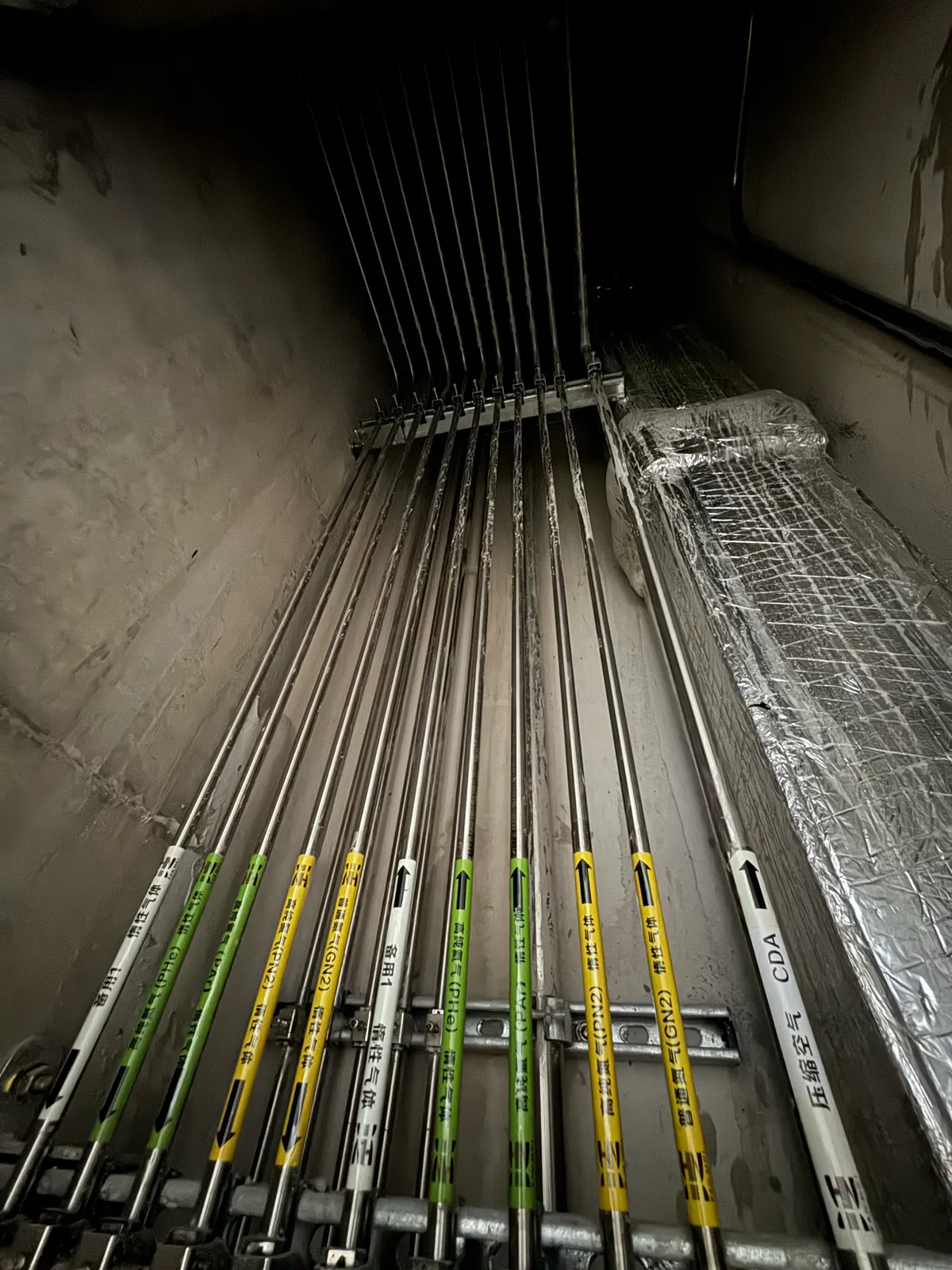
A source-to-point-of-use schematic should show gas identity, cylinder or bulk source, regulators, isolation valves, branches, safety interfaces and final outlets. A separate route drawing locates the lines in the building. Both are needed when a system crosses several rooms. For a manifold, the drawing should clarify bank arrangement and operating sequence; for a gas cabinet, it should identify exhaust, purge and alarm interfaces where specified.
A drawing is not complete merely because it looks detailed. It needs a revision, date, scope and approval status. Field changes should flow into the as-built set. The next contractor should not have to infer which of several marked-up versions represents the line currently in service.
04 / WORK AND ACCEPTANCE
Keep instructions and test evidence with the installed system
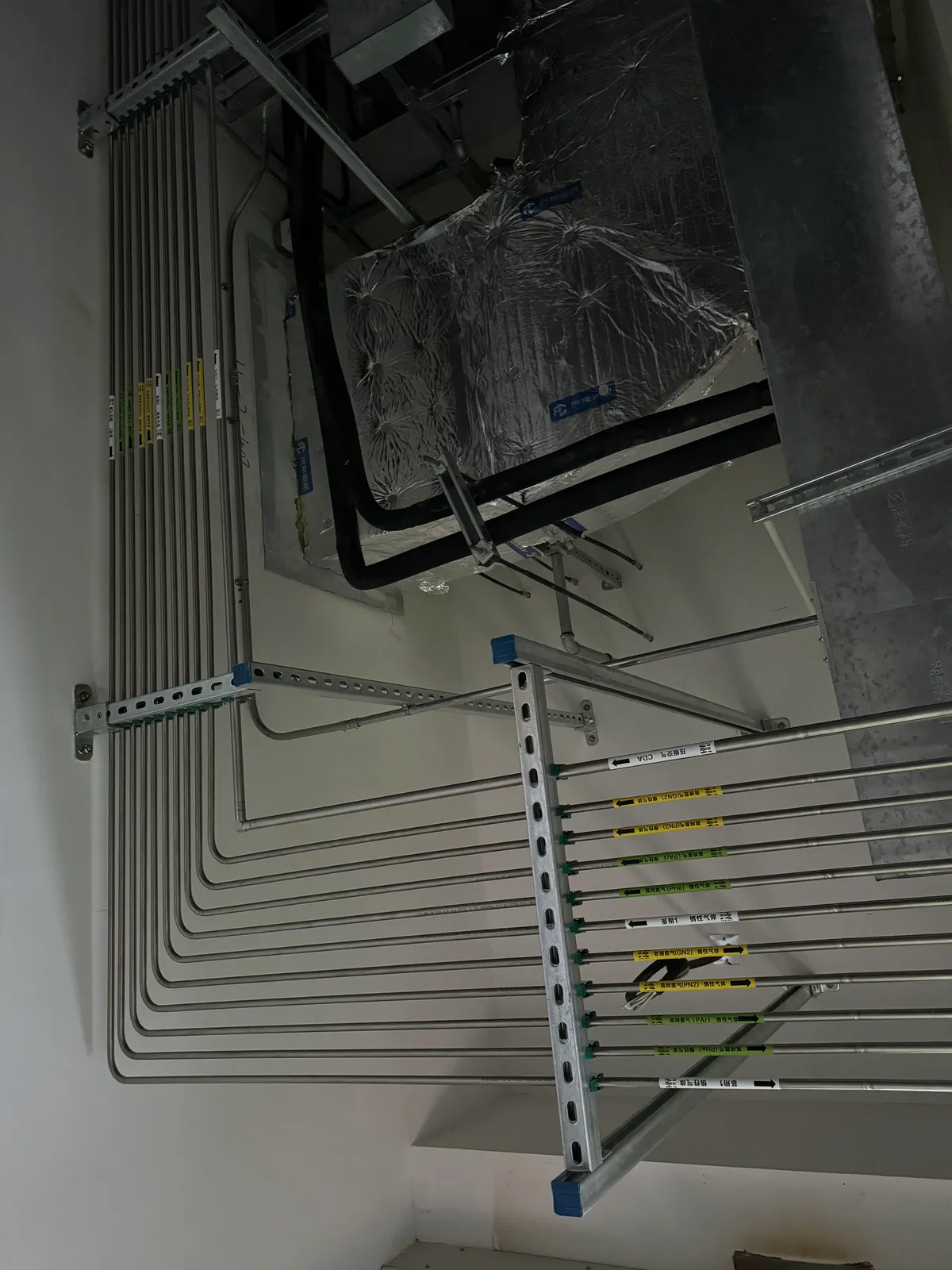
Installation instructions explain how a component should be handled, connected and operated within its rating. The project specification defines the approved pipework and test methods. The installer’s inspection and test records show what was actually checked. These documents should be linked by line tag or assembly reference so a later reviewer can understand the acceptance boundary.
A handbook for one regulator cannot prove that an entire laboratory gas pipeline system was commissioned. Retain the pressure or leak-test method, date, conditions, results and witness information required by the project. Keep operating instructions for cylinder exchange, alarm response and isolation accessible to the staff who use the system.
05 / DOWNLOADABLE RESOURCE
Start a technical request with a complete project brief
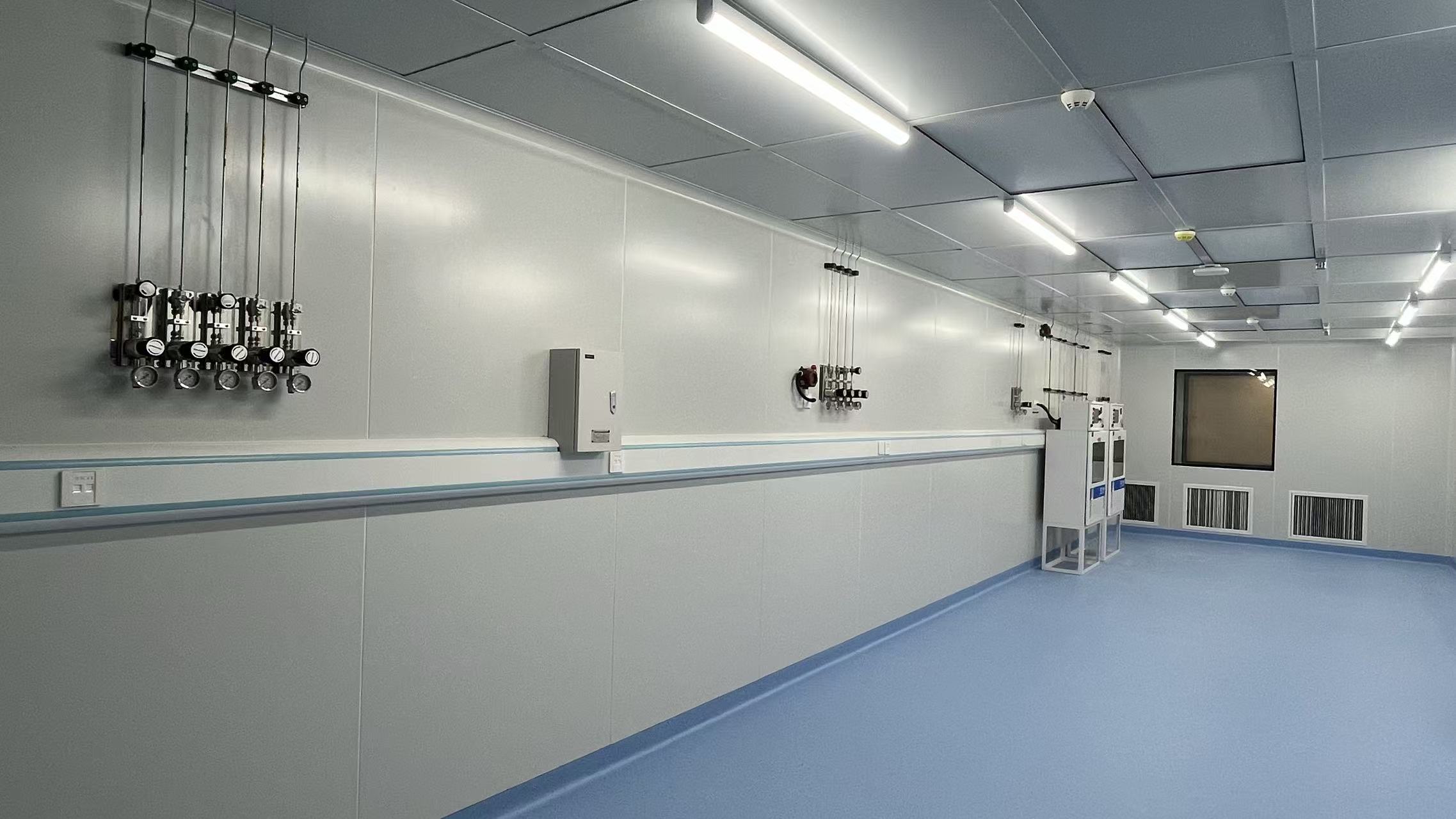
The LGF Laboratory Gas System Technical Data Worksheet is a two-page planning tool. It asks for the organization, room, instruments, gases, source type, grade, pressure, peak flow, continuity needs, site interfaces and requested documents. It is intentionally blank and does not certify a design. Its value is that the first technical discussion can focus on missing decisions rather than repeatedly collecting basic data.
Download the worksheet, fill in the fields you know and send it through the contact page with any authorized drawings. Leave uncertain values clearly marked for engineering review. Do not guess a gas grade, set point or local code just to complete the form; uncertainty itself is useful information at the selection stage.
06 / DOCUMENT CONTROL
Check currency and access before sharing files
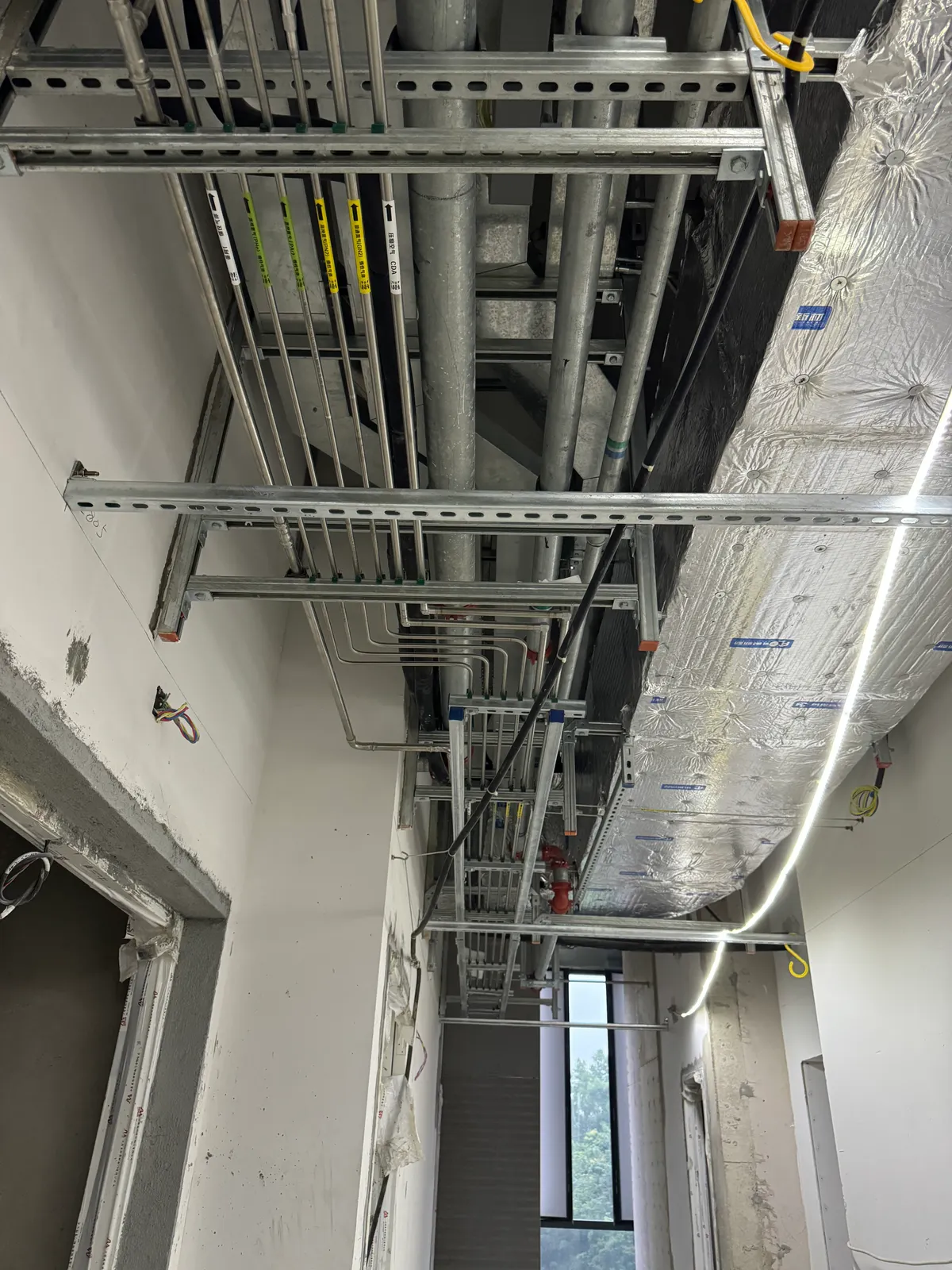
A useful file name includes product or project reference, document type, revision and issue date. Before using a file for purchase or installation, confirm that it applies to the quoted equipment and that it is approved for the intended purpose. Superseded drawings and generic diagrams should be visibly distinguished from current, project-specific documents. The document owner should decide whether proprietary or safety-sensitive files may be shared.
For a later maintenance request, provide the installed model and the latest as-built revision if available. LGF can then identify the material relevant to that configuration. Public download links should be limited to files that are authorized and current; until an approved model catalog is available here, request it directly rather than rely on a third-party brochure.
NEXT-STEP CHECKLIST
Choose the right document for the task
- Catalog for product-family comparison and available options.
- Current data sheet for exact model ratings and materials.
- Dimensional drawing for fit and connection review.
- Project schematic and route plan for system interfaces.
- Installation instructions and test records for handover.
- Revision, date and approval status before any file is used.
PRACTICAL QUESTIONS
Document request questions
Is the downloadable worksheet a technical specification?
No. It is an information-gathering form. The final specification and safety review must be completed and approved for the project.
Can a product data sheet replace an as-built drawing?
No. The sheet describes a component; the as-built drawing shows where and how it was installed.
What should I include when asking for a manual?
Provide the exact model or assembly reference, serial or order information if available, gas service and the document purpose. This helps identify the appropriate revision.
Download: LGF Laboratory Gas System Technical Data Worksheet
A printable two-page PDF for collecting gas, instrument, source, site and document requirements before a technical discussion.
Download the worksheet (PDF) →LGF LABORATORY GAS SUPPORT
Request the current document for your exact configuration.
Send the model, gas service and document type needed. LGF can identify the relevant catalog, data sheet, drawing or project file for review.