
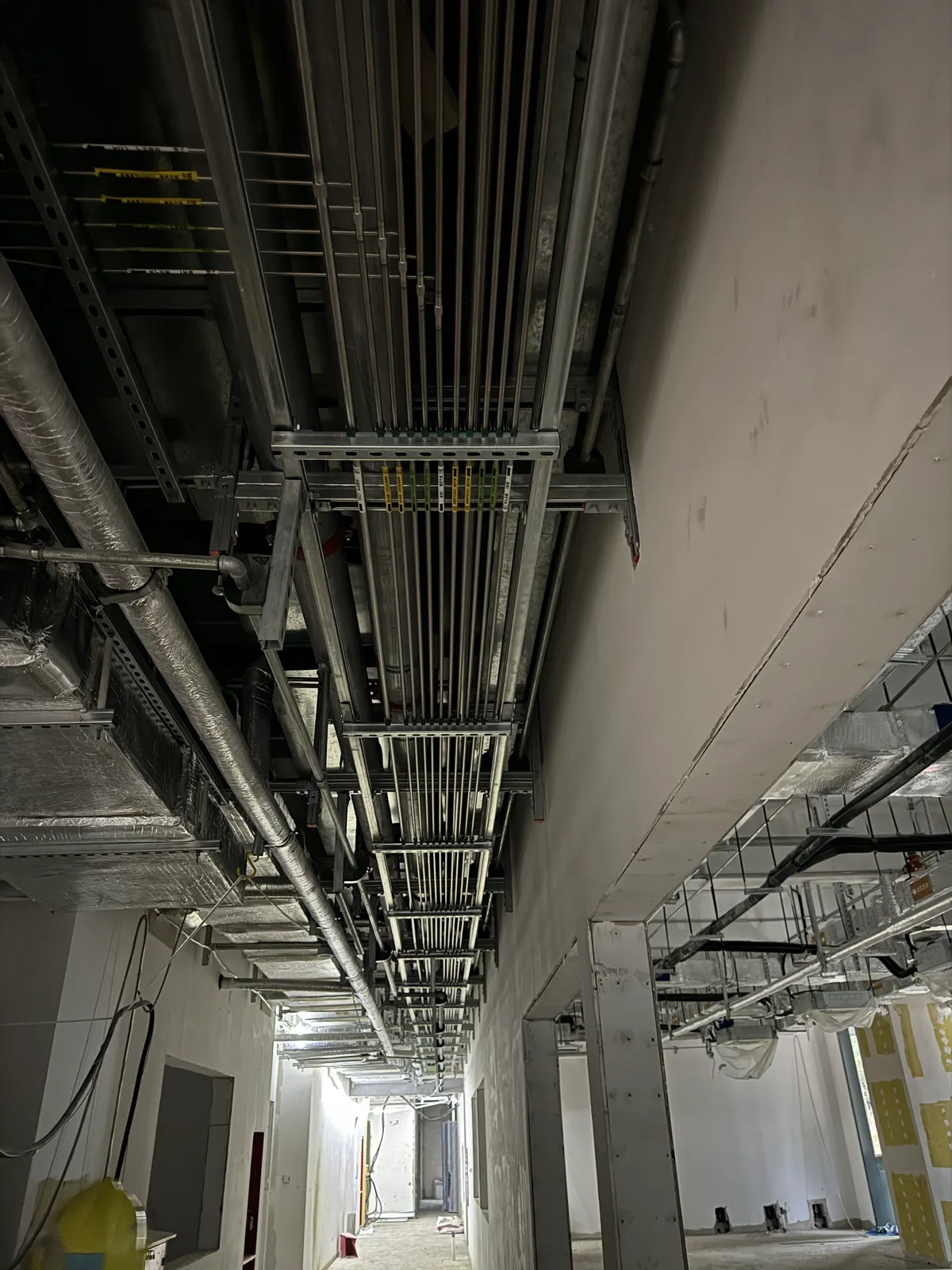
LGF / ABOUT US
Customer Collaboration & Laboratory Project Sectors
Different laboratories ask different questions of a gas system. We show the application context and project approach without implying endorsements from unnamed organizations.
INSIDE LGF LAB GAS FLOW
A customer-facing view of the work, with privacy respected
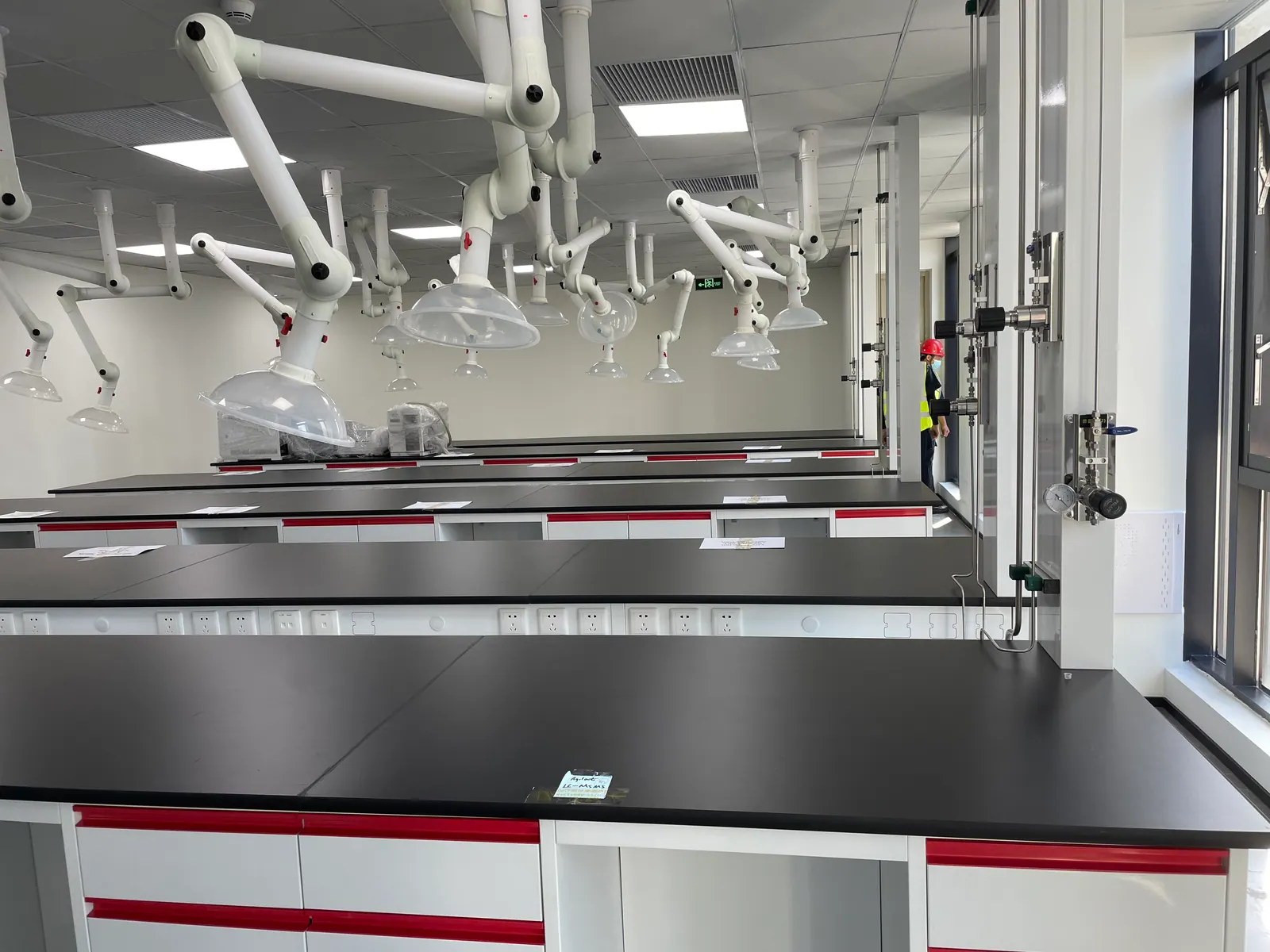
The organizations that use a laboratory gas supply system range from university research groups to independent testing providers, advanced-materials laboratories, biopharmaceutical teams and environmental monitoring facilities. Each may specify different gases, instruments, changeover patterns and documentation. LGF Lab Gas Flow organizes its application and project material by these real operating contexts, so a buyer can find a comparable problem rather than a generic logo wall.
This page does not publish customer names, logos, contract values or performance claims without specific approval. Site photographs are used to illustrate equipment and project settings; they should not be read as a named client endorsement. For detailed examples, follow the linked Project Cases and Applications pages, where each context has its own scope and caveats.
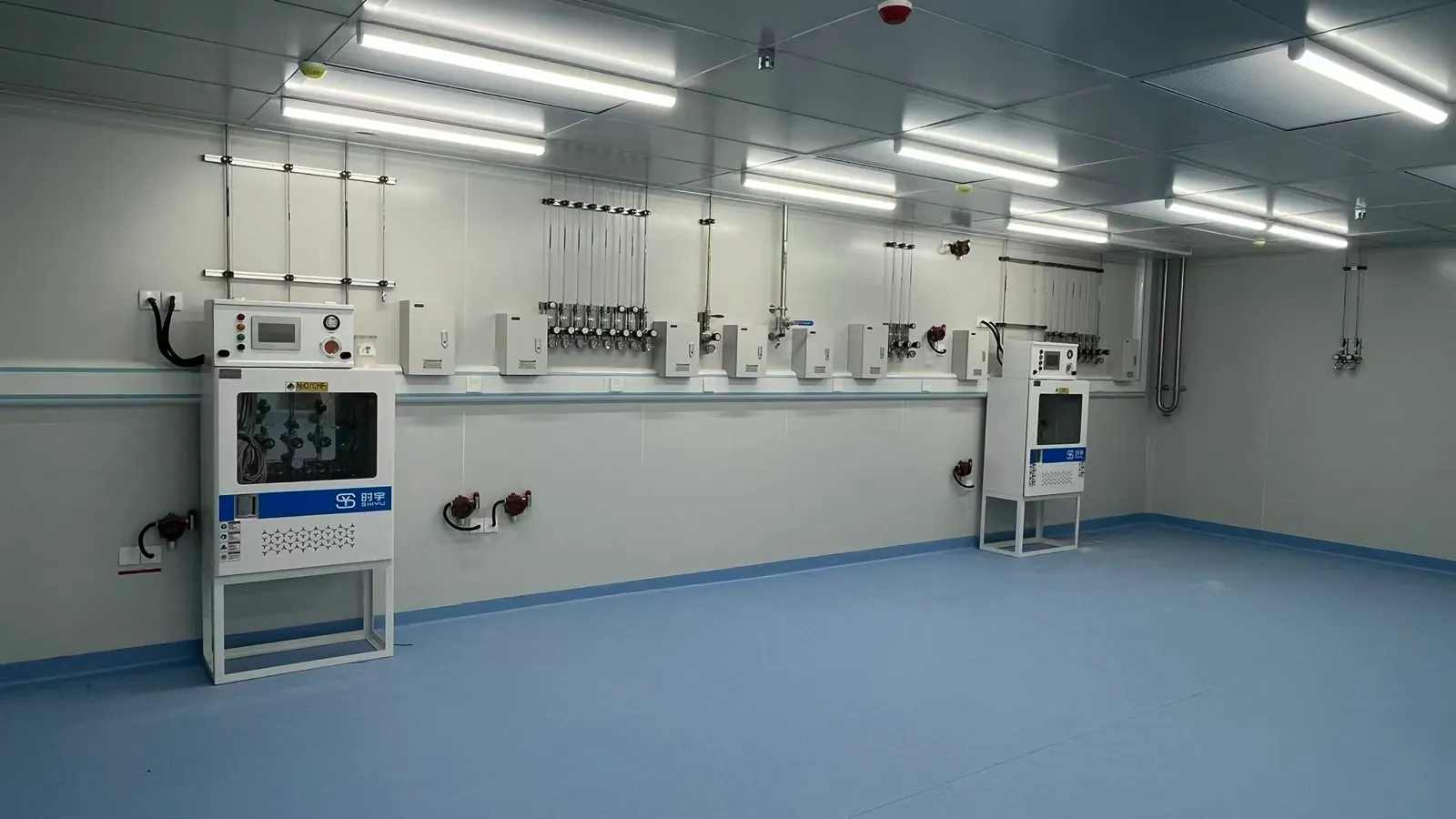
01 / HIGHER EDUCATION
University and teaching research laboratories
University facilities often combine teaching use, shared instrumentation and specialist research rooms. The gas schedule may change as equipment is replaced or research groups move. A good initial project brief identifies the instruments and rooms, expected simultaneous demand, grades, cylinder-change responsibility and the route from source to outlet. The system should be understandable to facilities staff who did not design the original installation.
An upgrade in an occupied campus may also need phased shutdowns and careful treatment of unknown existing lines. LGF's university application page and specialty-gas upgrade case explain these planning questions in more detail. A project discussion should start with the current as-built information, a marked room plan and the change the researchers need—not an assumption that every lab should adopt the same centralized layout.
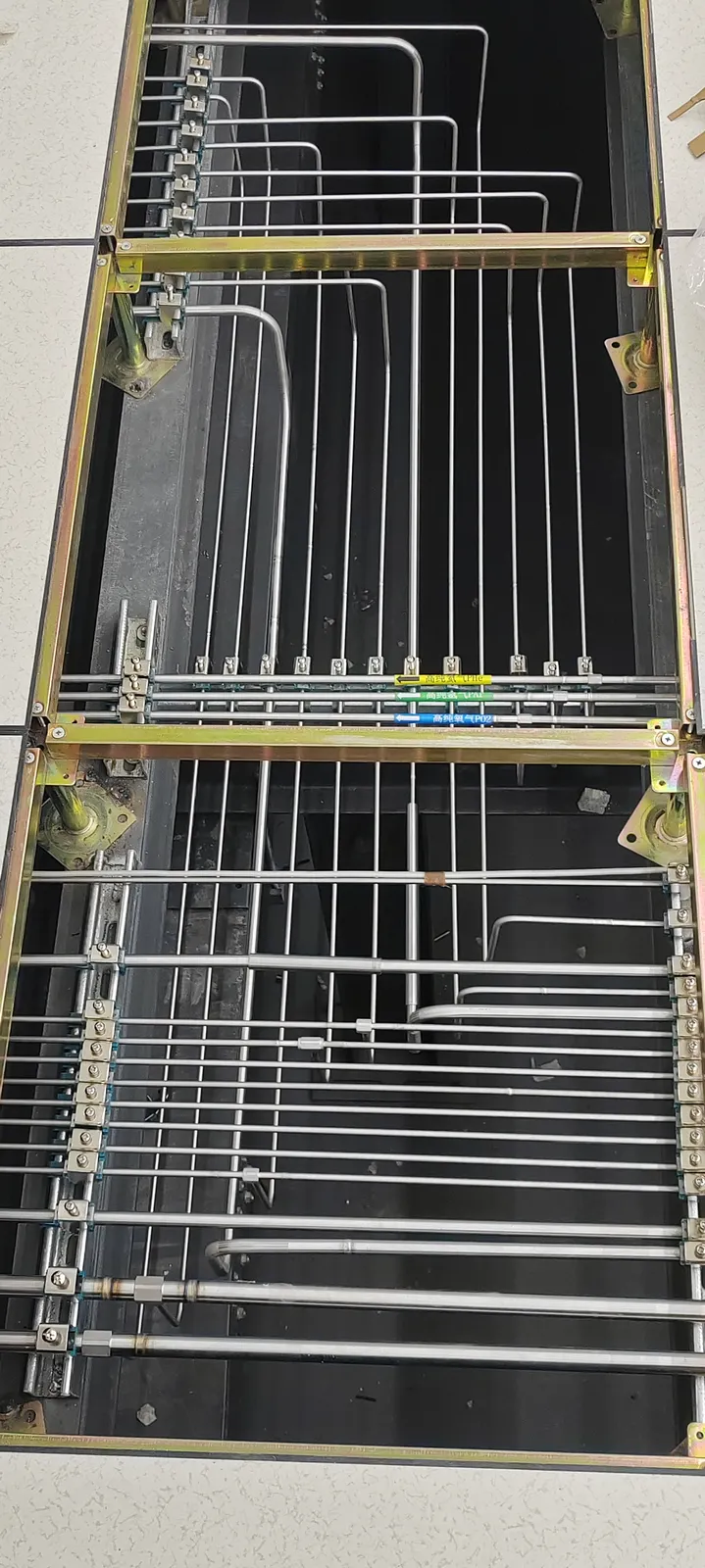
02 / RESEARCH INSTITUTES
Specialized research projects with changing experiments
Research institutes may need a combination of high-purity inert gases, specialty mixtures and localized control for sensitive instruments. Experimental work can make future flexibility important, but flexibility needs a defined boundary. Spare outlets, isolation points and the possibility of expansion should be considered against current hazards, source capacity and recordkeeping. Unlabelled spare lines create uncertainty rather than useful flexibility.
Collaboration works best when the research team supplies instrument requirements while the facility team confirms space, utilities and safety interfaces. LGF can then review a source-to-instrument concept and identify the decisions that must be resolved before equipment selection. The research institute project case illustrates this type of engineering coordination without presenting an unnamed institute as an endorsed customer.
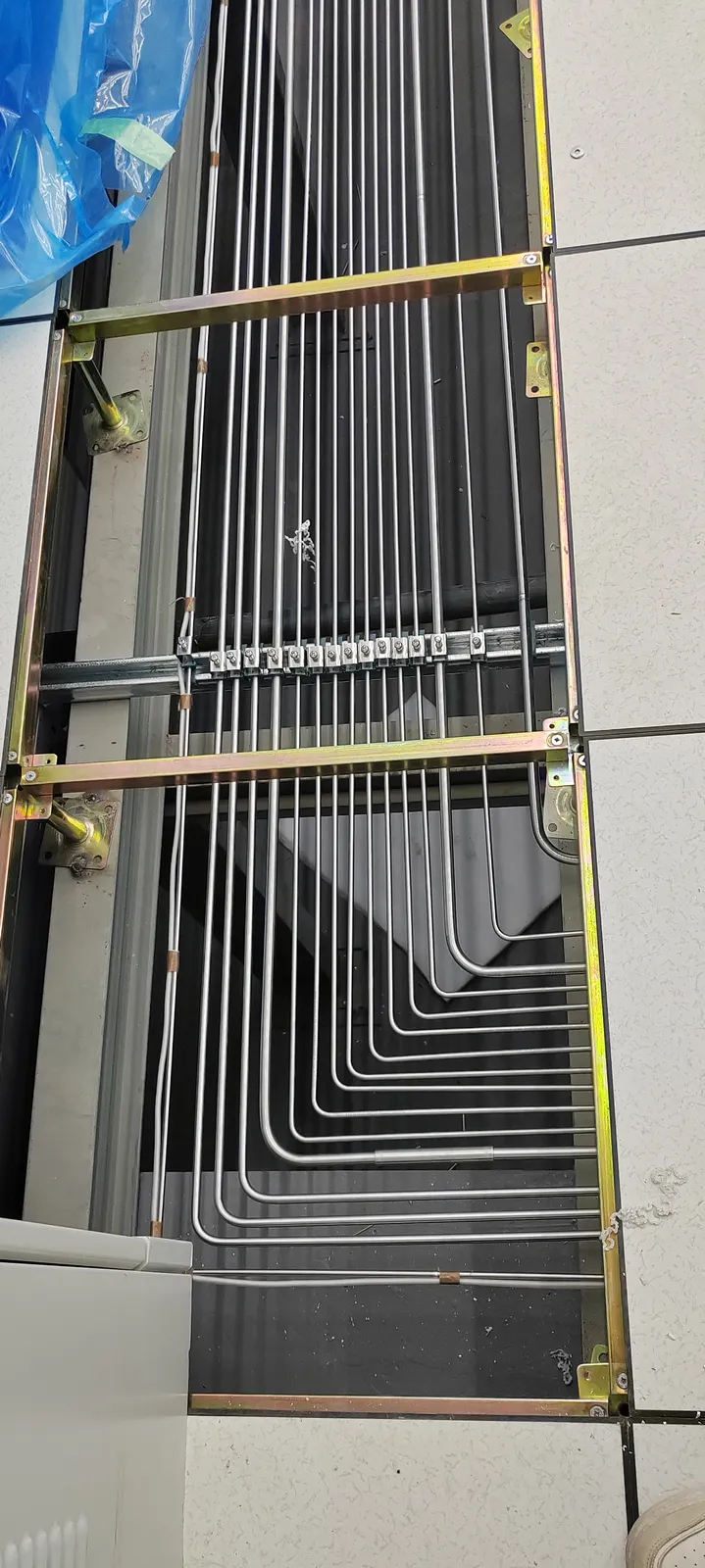
03 / INDEPENDENT TESTING
Repeatable analytical service for multiple workstations
Independent testing laboratories often value consistent conditions across instruments and shifts. The relevant question is not only whether gas reaches each bench, but whether the required grade and pressure are maintained at the point of use during normal and peak operation. A controlled source arrangement, identified distribution and local pressure control can help staff relate a change in results to the correct part of the system.
Procurement and operations teams should agree how cylinders are changed, which indications are monitored, what documents are held for audits and how a new instrument is added. LGF's testing-laboratory application and centralized supply case provide further context. They should be used as planning references, while the actual design follows the laboratory's instrument list and applicable operating requirements.
04 / MATERIALS RESEARCH
High-purity and specialty gases in development labs
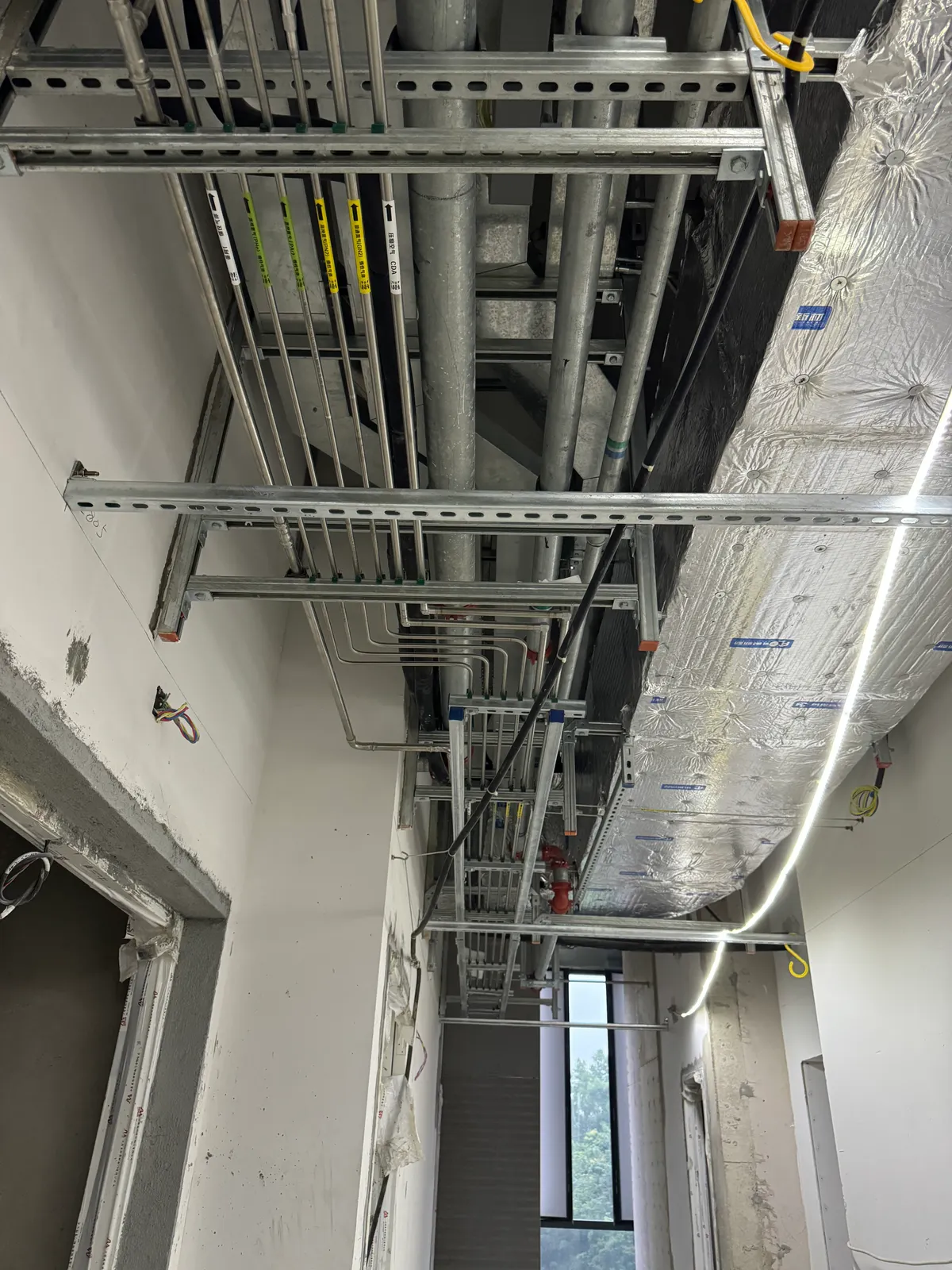
Materials research may bring unusual gases, changing experimental stations or a stronger requirement to protect purity through the distribution path. The project team must identify gas characteristics, compatible wetted materials, purge strategy, isolation and monitoring interfaces before treating an available connection as suitable. Equipment used for one program may not be acceptable for the next.
A materials laboratory also benefits from traceable drawings and a clear change-review process. When a new instrument requires more flow, a different gas or a new room route, source and downstream capacity should be reconsidered together. The advanced-materials application page discusses these needs without duplicating the engineering design guide.
05 / LIFE SCIENCE
Biopharmaceutical and controlled laboratory settings
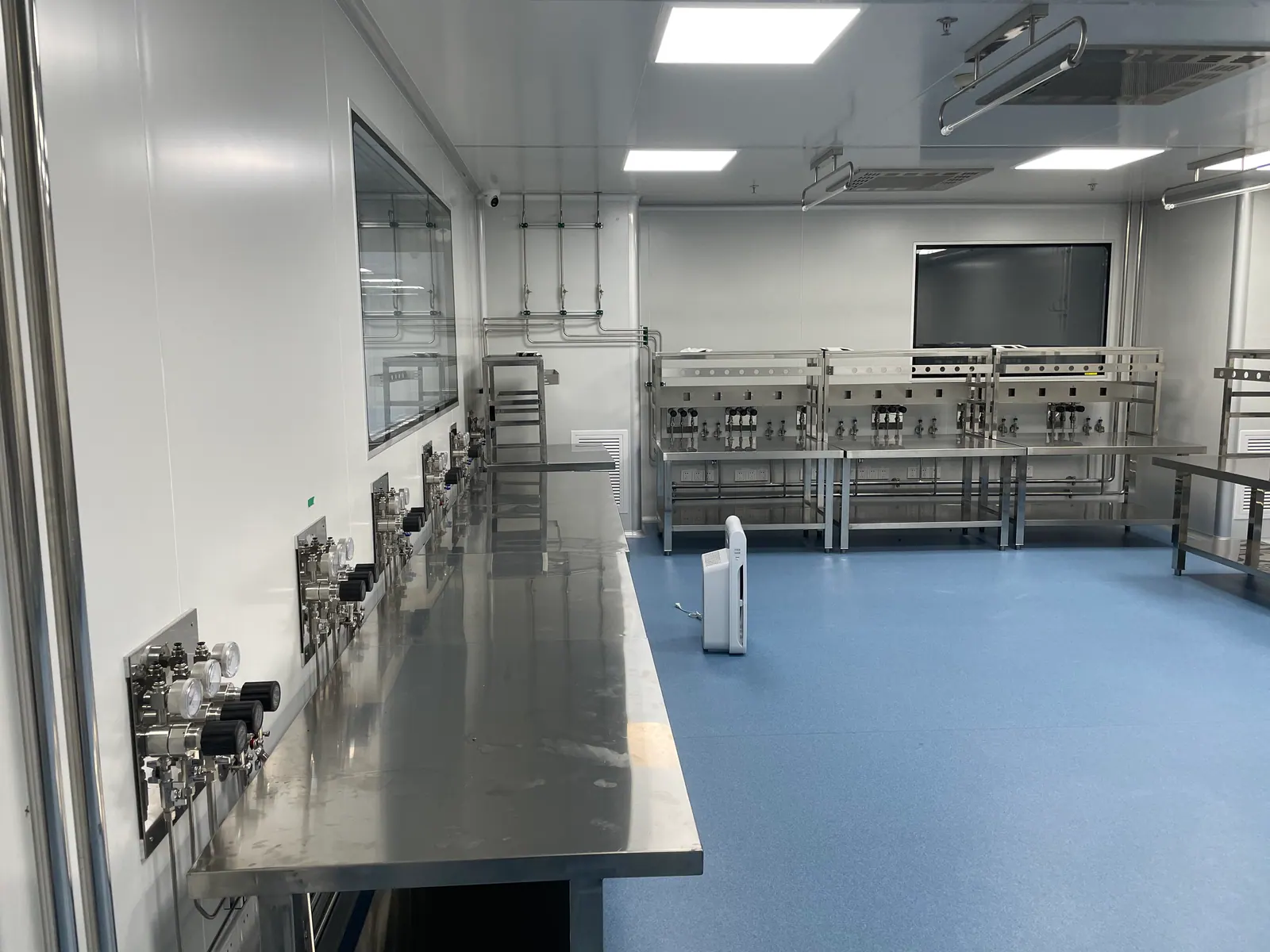
Biopharmaceutical laboratory projects can require coordination with controlled areas, validated workflows and detailed facility documentation. The gas system brief should separate the equipment supplier's scope from building ventilation, controls, monitoring and laboratory operating procedures. A clean-looking component does not establish suitability for a regulated process; the gas service and acceptance package must be defined by the project team.
The practical collaboration involves facilities, laboratory users, quality personnel, engineering and installation contractors. Drawing revisions, material information, test records and maintenance access become important during handover. LGF's biopharmaceutical application and project case give examples of the types of questions to settle before commissioning.
06 / HOW WE SHOW PROJECTS
Clear project evidence without a false client endorsement
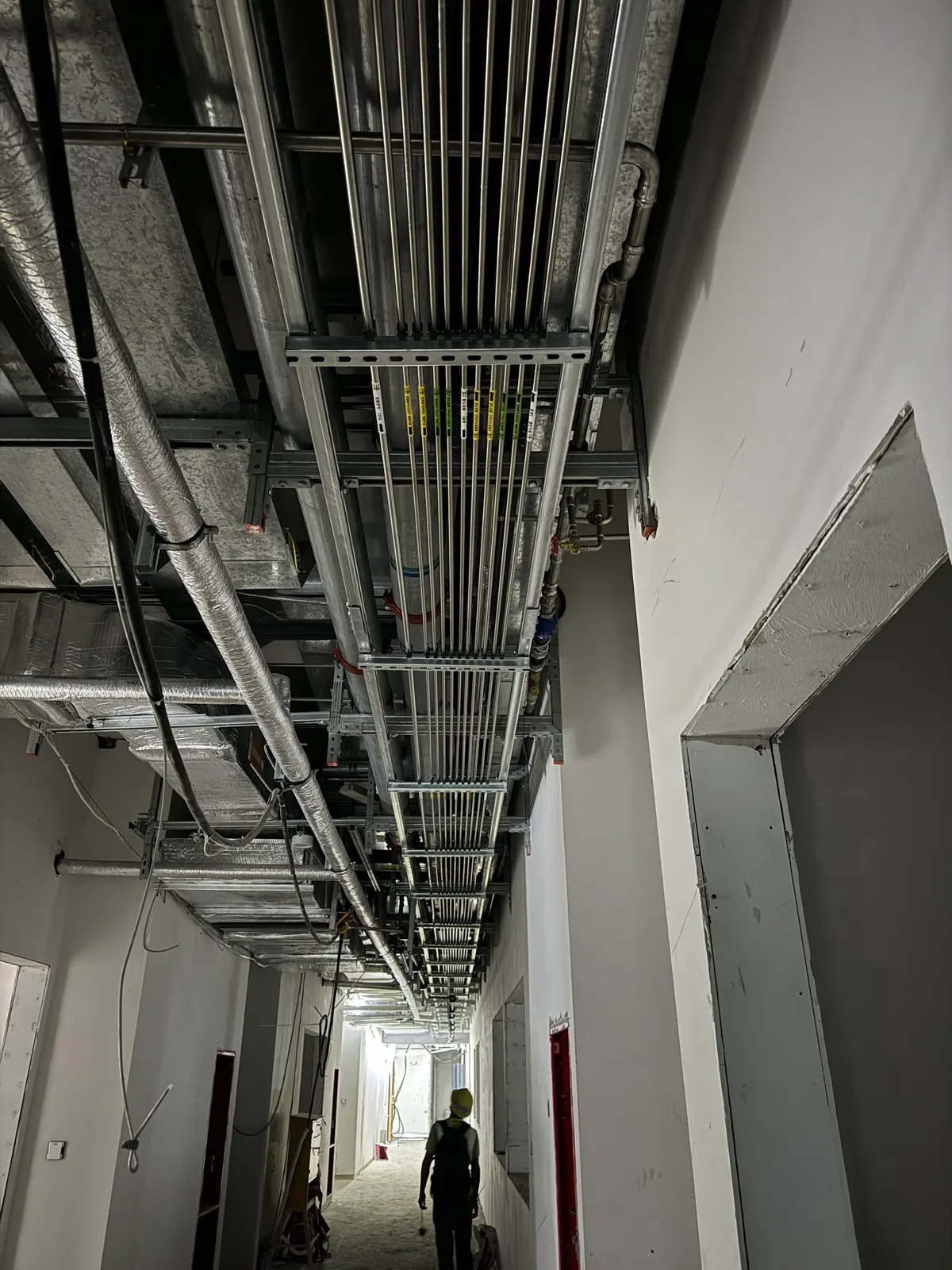
A public project photograph can show piping layout, cabinets or terminal arrangement, but it does not prove who ordered the work, the delivered performance or the operating history. For this reason, LGF describes anonymized project settings and observable equipment features. Customer names, logos, testimonials and quantified outcomes should only be published after the relevant organization approves them.
For a private B2B evaluation, buyers can ask for the documentation that matters to their own decision: comparable equipment configuration, process boundary, drawing sample, inspection approach or the specific project records that can be shared. This is more useful than a long list of unverified logos. The next step is to send LGF the site context and the technical problem you need to solve.
NEXT-STEP CHECKLIST
Information that makes a customer inquiry useful
- Laboratory sector and the work performed in each room.
- Gas list, purity grades and instrument requirements.
- Existing source and piping condition for a retrofit.
- Required operating continuity and changeover arrangement.
- Safety, ventilation and monitoring interfaces to coordinate.
- Project documentation and confidentiality requirements.
PRACTICAL QUESTIONS
Customer collaboration questions
Are the organizations shown on this page named LGF clients?
No. The page describes application sectors and anonymized project contexts. It does not imply that a particular institution endorses LGF.
Can we discuss a comparable project privately?
Yes. Share the technical scope you want to compare. Any example material is subject to what may be disclosed and what actually applies to your project.
Where can I see more specific project scenarios?
The Project Cases pages describe university, research institute, testing and biopharmaceutical settings, with links to relevant application and solution pages.
LGF LAB GAS FLOW
Describe the laboratory you need to serve.
Share the gas list, instruments, operating concerns and any confidentiality requirements. LGF can respond with the most relevant system and project information.