
LGF / ABOUT US
Core Technology & Qualifications
Technical credibility comes from matching the gas service, controlling the build and providing documents that can be checked against the delivered configuration.
INSIDE LGF LAB GAS FLOW
Technology is a chain of decisions, not one certificate
A high-purity laboratory gas system can lose its intended performance through a small mismatch: an unsuitable wetted material, an excessive dead volume, a poorly specified pressure range or an undocumented installation change. LGF Lab Gas Flow treats the source, distribution and point-of-use path as linked engineering decisions. This page explains the areas a buyer should examine when reviewing technical capability and qualifications.
Manufacturing, cleaning and testing claims should be reviewed against the exact equipment being purchased. A quality-system statement is not a substitute for a current certificate and its scope. If your procurement package requires a certificate, approval or standard-specific record, request the current document for the legal entity, product and project in question.
01 / ENGINEERING INPUT
Define the gas service before choosing the hardware
The first technical control is an accurate gas and instrument schedule. Identify each gas or mixture, required grade at the instrument, source condition, normal and peak flow, pressure window, line length, outlet count and expected duty. Review gas compatibility and any flammable, oxidizing, corrosive or toxic characteristics with the site's responsible specialists. An apparently similar line can have a very different material or safety requirement.
LGF's design discussion uses this schedule to narrow regulator ranges, manifold arrangements, cabinet needs and local point-of-use control. It also reveals missing assumptions early: a source may be capable of the required flow but not the required continuity, or the gas grade may be specified at the cylinder while the instrument requirement is at the far end of a long distribution route.
02 / HIGH-PURITY GAS CONTACT
Review wetted materials and connection practice
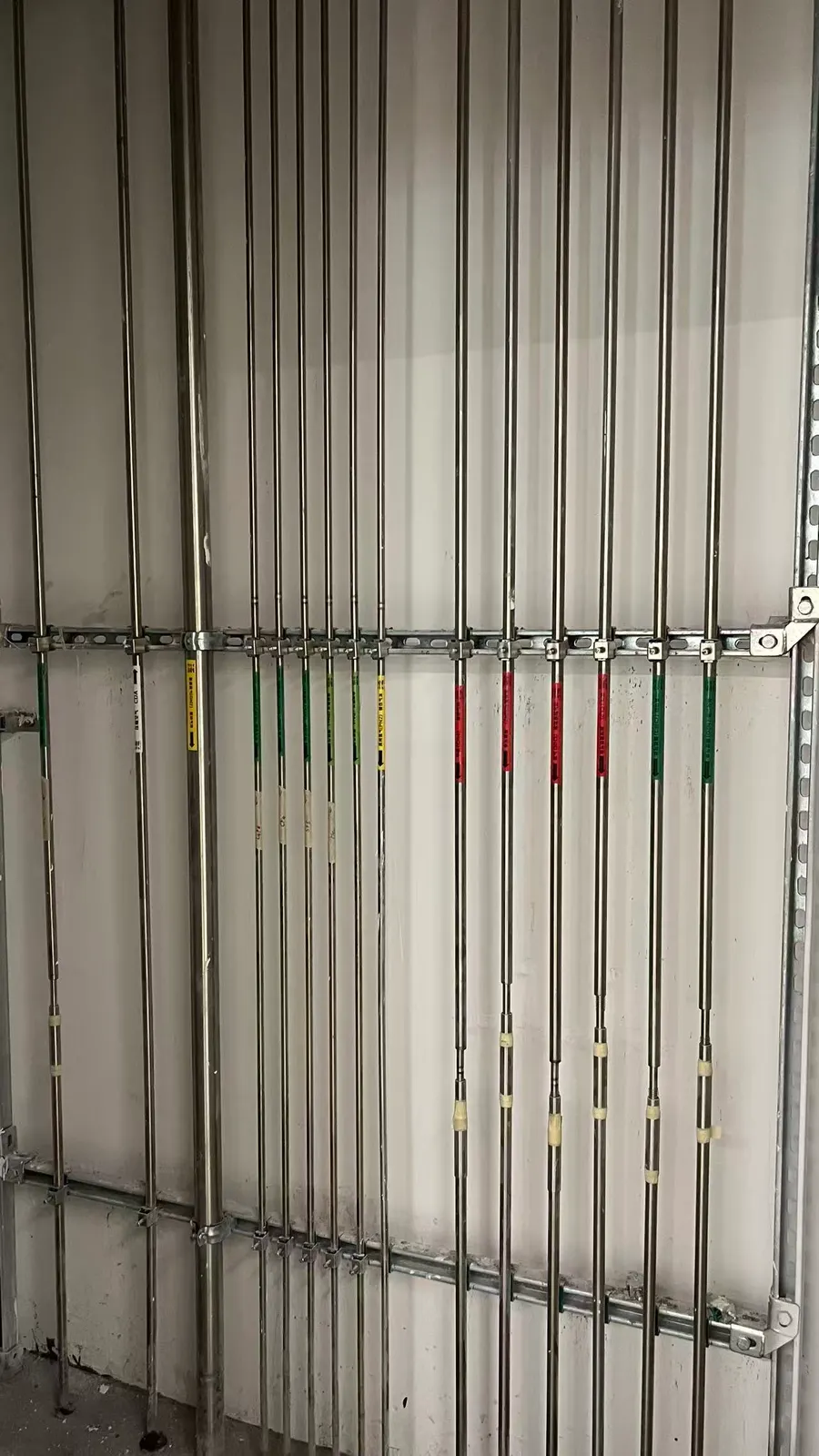
Tubing, valves, regulators, seals and fittings all form the gas-contact path. A project specification should identify the materials and finishes appropriate to the actual gas, pressure and cleanliness target. Stainless steel laboratory gas piping and 316L tubing are common discussion points for high-purity services, but the grade alone does not define surface finish, cleaning, joining, traceability or suitability for every gas.
Connection selection also affects maintainability and potential leak paths. The design may use welded, face-seal or compression connections where the service and project specification justify them. The proposal should name the connections at source, panel, line and instrument so that procurement and installation teams do not discover a mismatch at commissioning.
03 / REGULATION AND CHANGEOVER
Size pressure control for the operating range
A regulator must be considered at its actual inlet and outlet conditions, not only by a headline maximum pressure. Flow demand, pressure droop, change in cylinder pressure, body material, diaphragm design and connection configuration can all affect the selection. For a shared source, the distribution system may need a first reduction stage followed by local control near instruments.
A manifold or automatic changeover system adds continuity, but it also introduces switching logic, status indication and maintenance questions. The buyer should review normal operating state, spare source handling, alarm information and how operators confirm which bank is active. These are functional questions that belong in a drawing or control narrative rather than an unexplained feature list.
04 / FABRICATION AND CLEANLINESS
Protect approved components during assembly
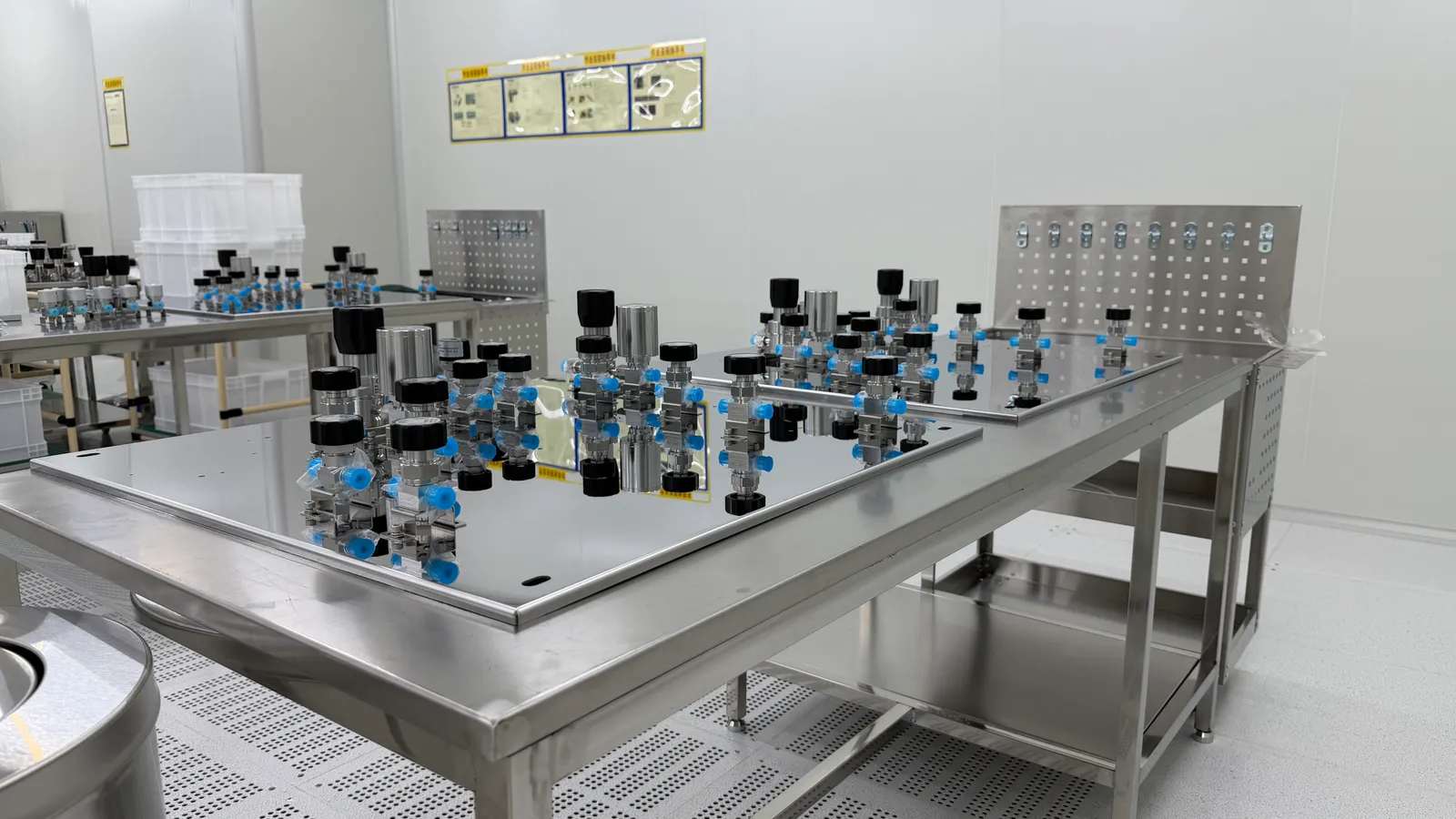
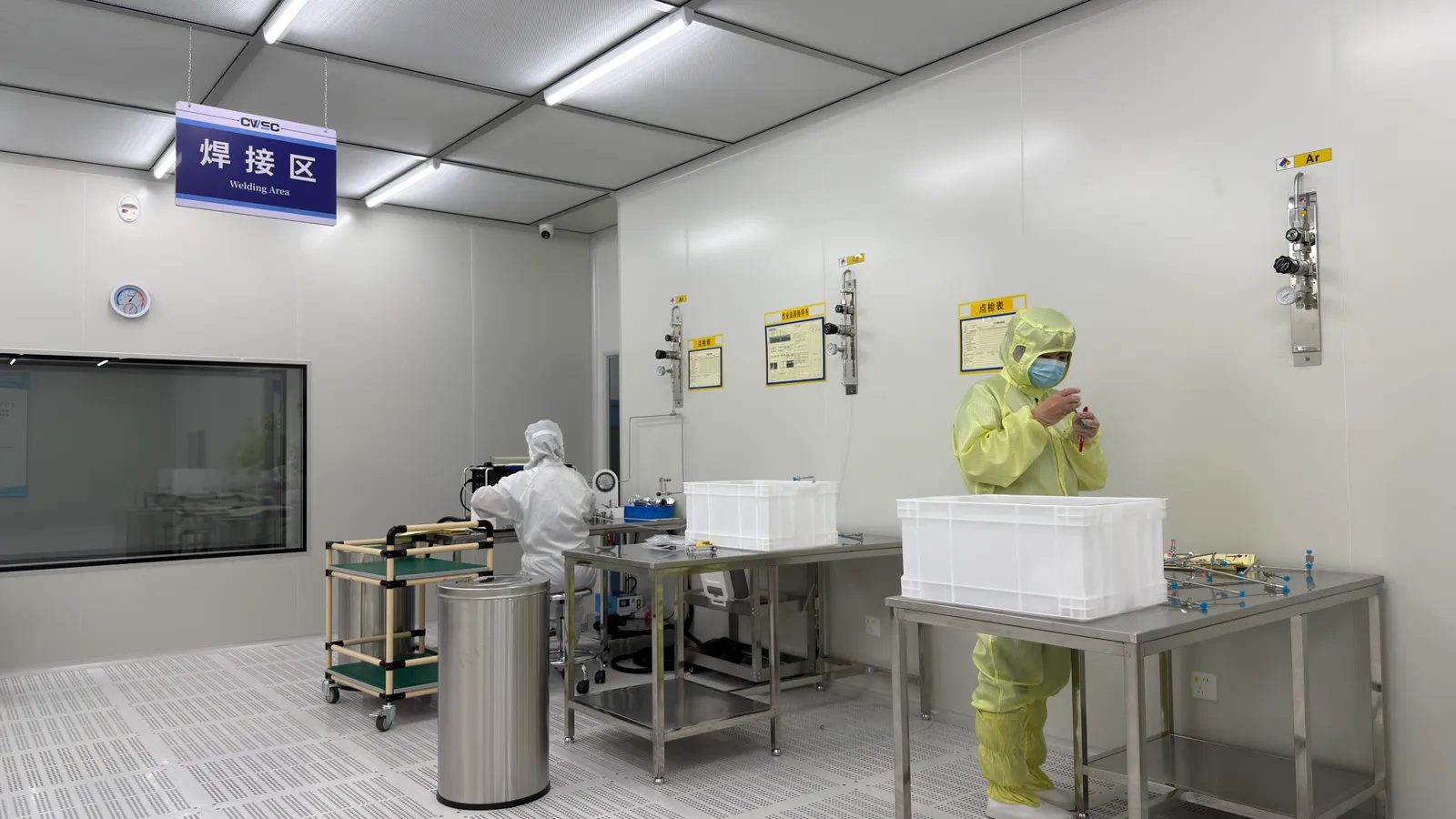
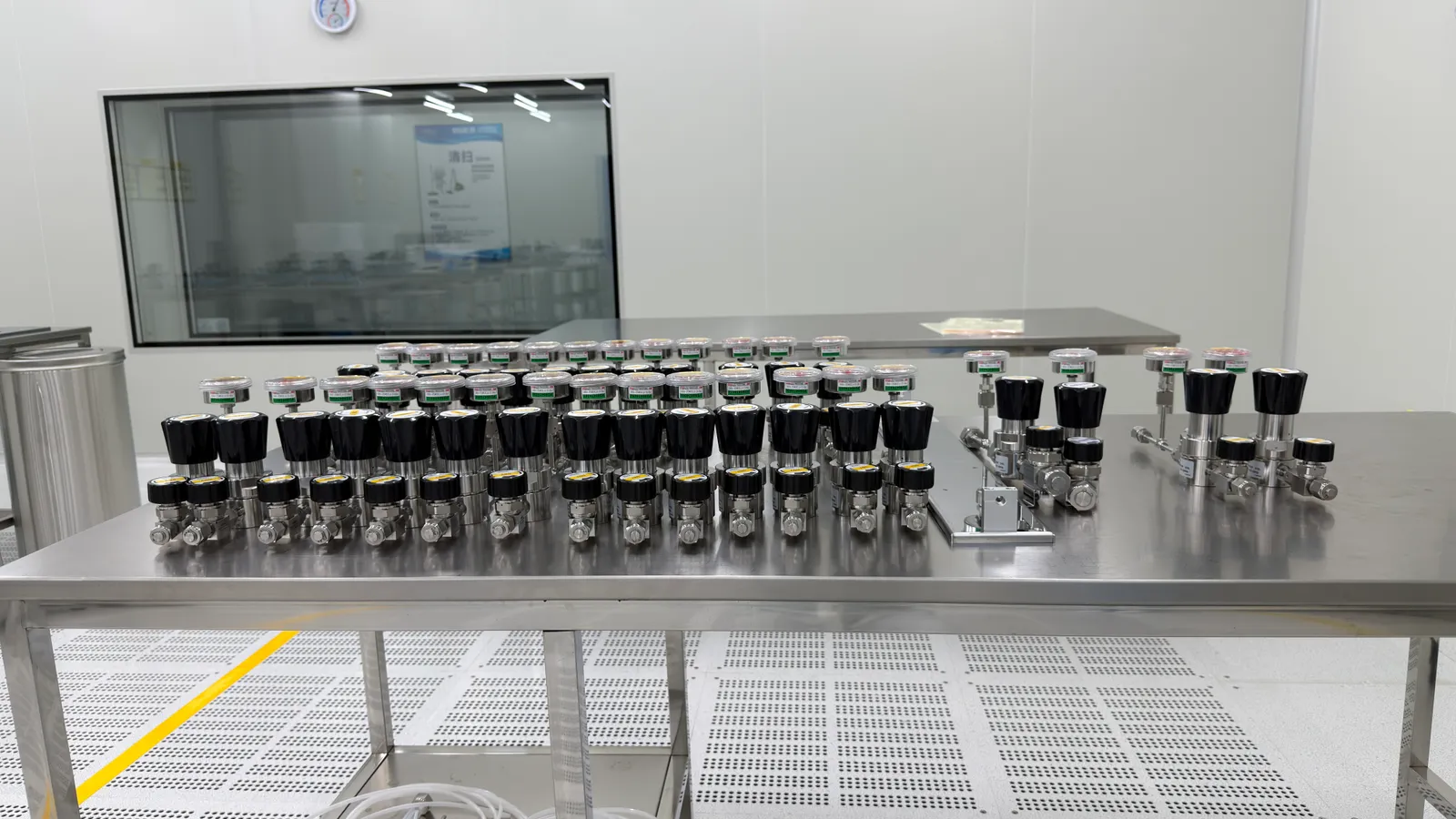
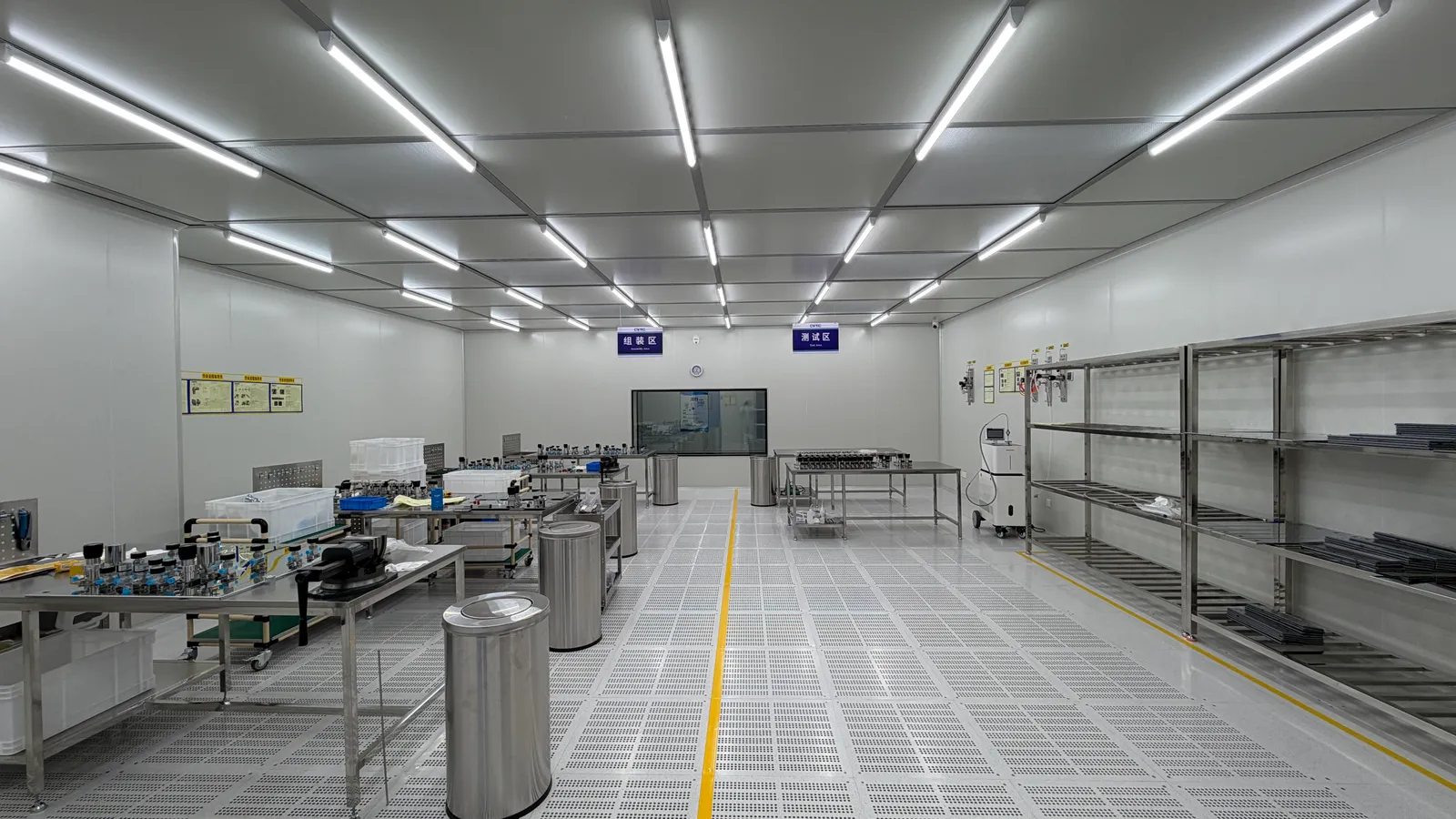
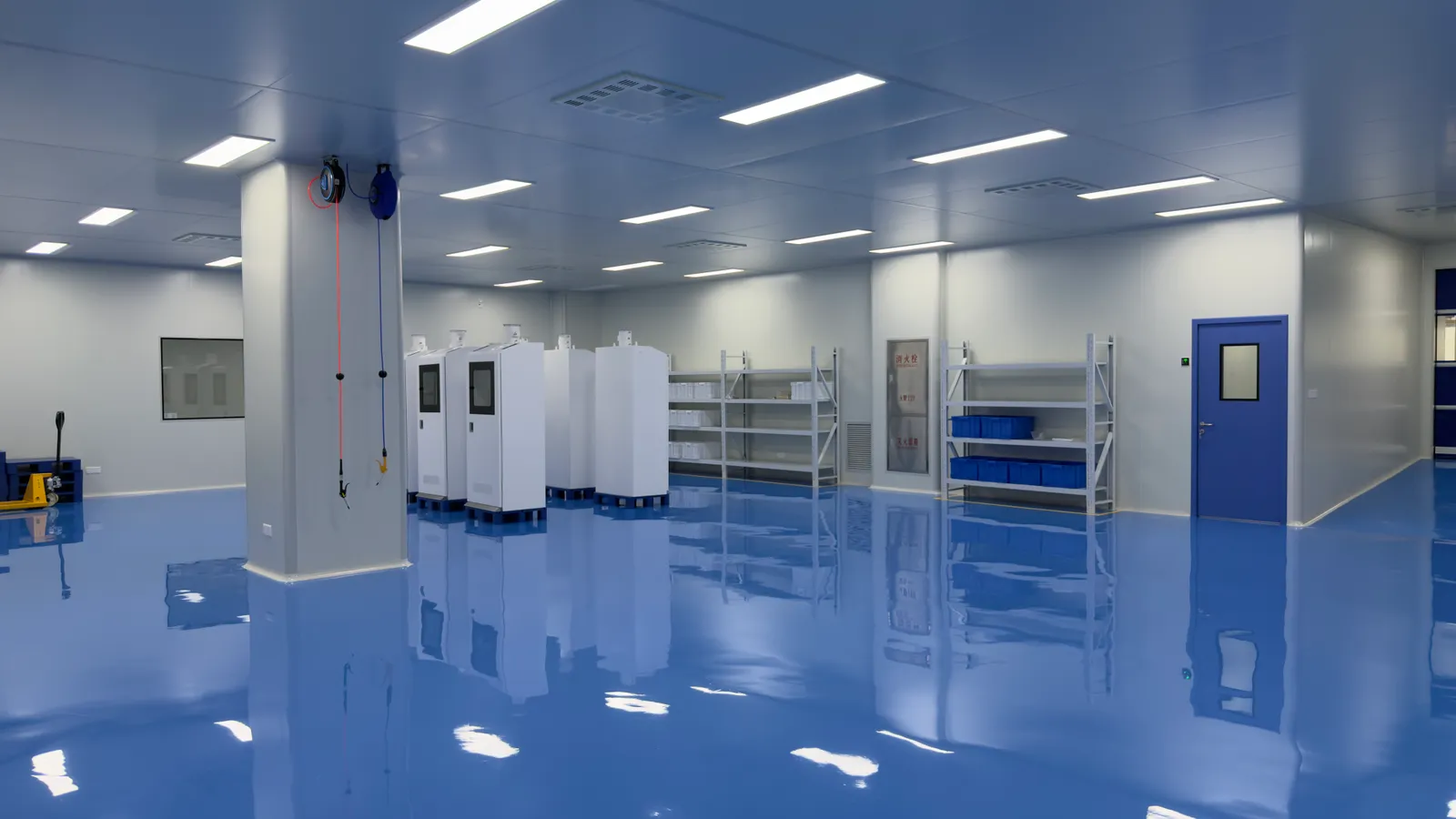
Manufacturing quality depends on more than machining accuracy. Component identity, burr removal, cleaning method, protected storage, assembly practice and final packaging can affect a contamination-sensitive application. Where a clean handling requirement applies, the project should state it in the purchase specification and the corresponding work instructions. A photograph of a clean room alone does not define a cleanliness class for a delivered item.
For custom panels and gas cabinets, the design package should connect the bill of materials to an assembly drawing and inspection points. Changes to a valve, connection or gauge should be reviewed before substitution. Documented revisions help the buyer understand what was built and allow later service teams to identify compatible replacements.
05 / TESTS AND RECORDS
Agree acceptance evidence before the build begins
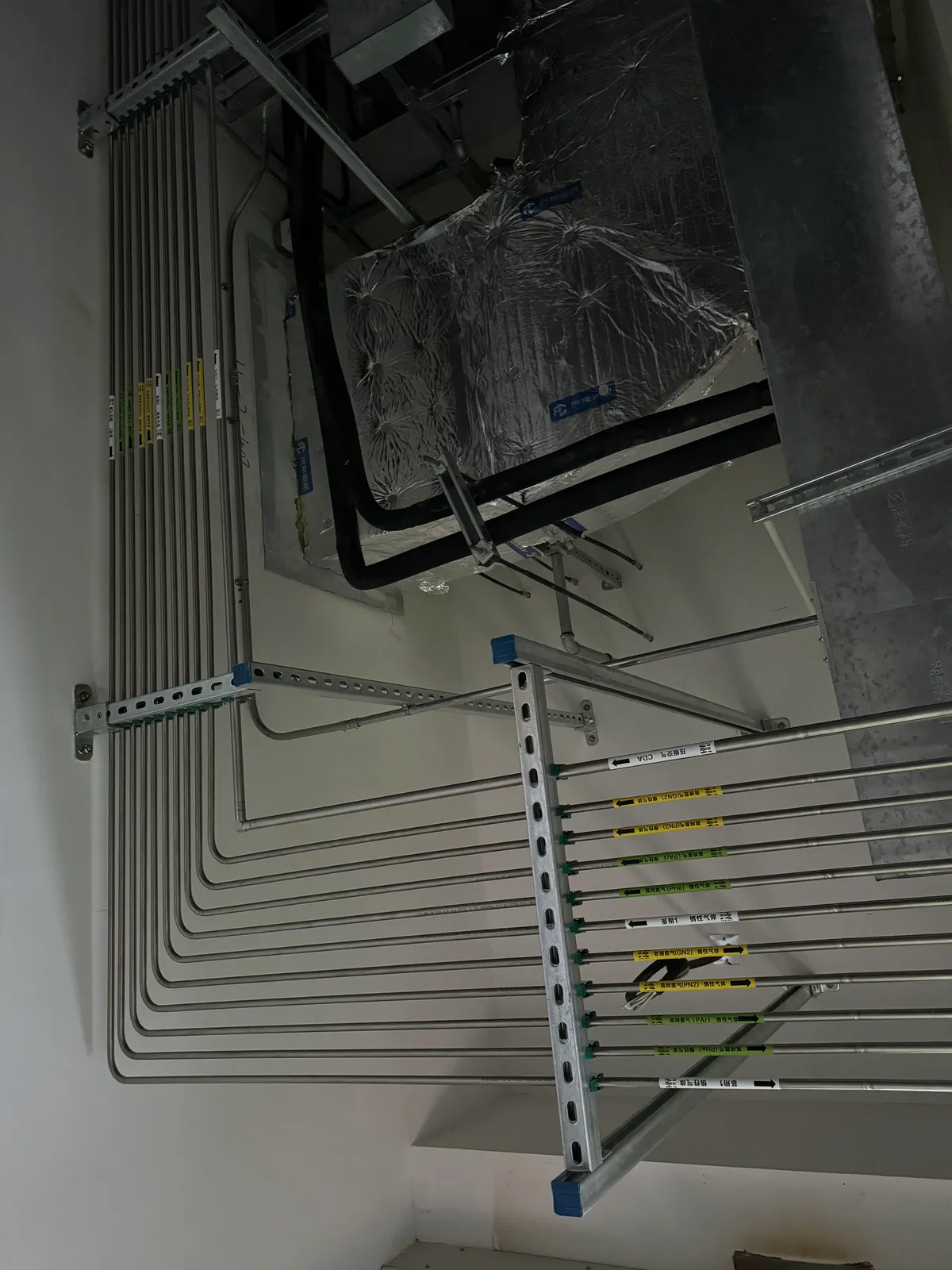
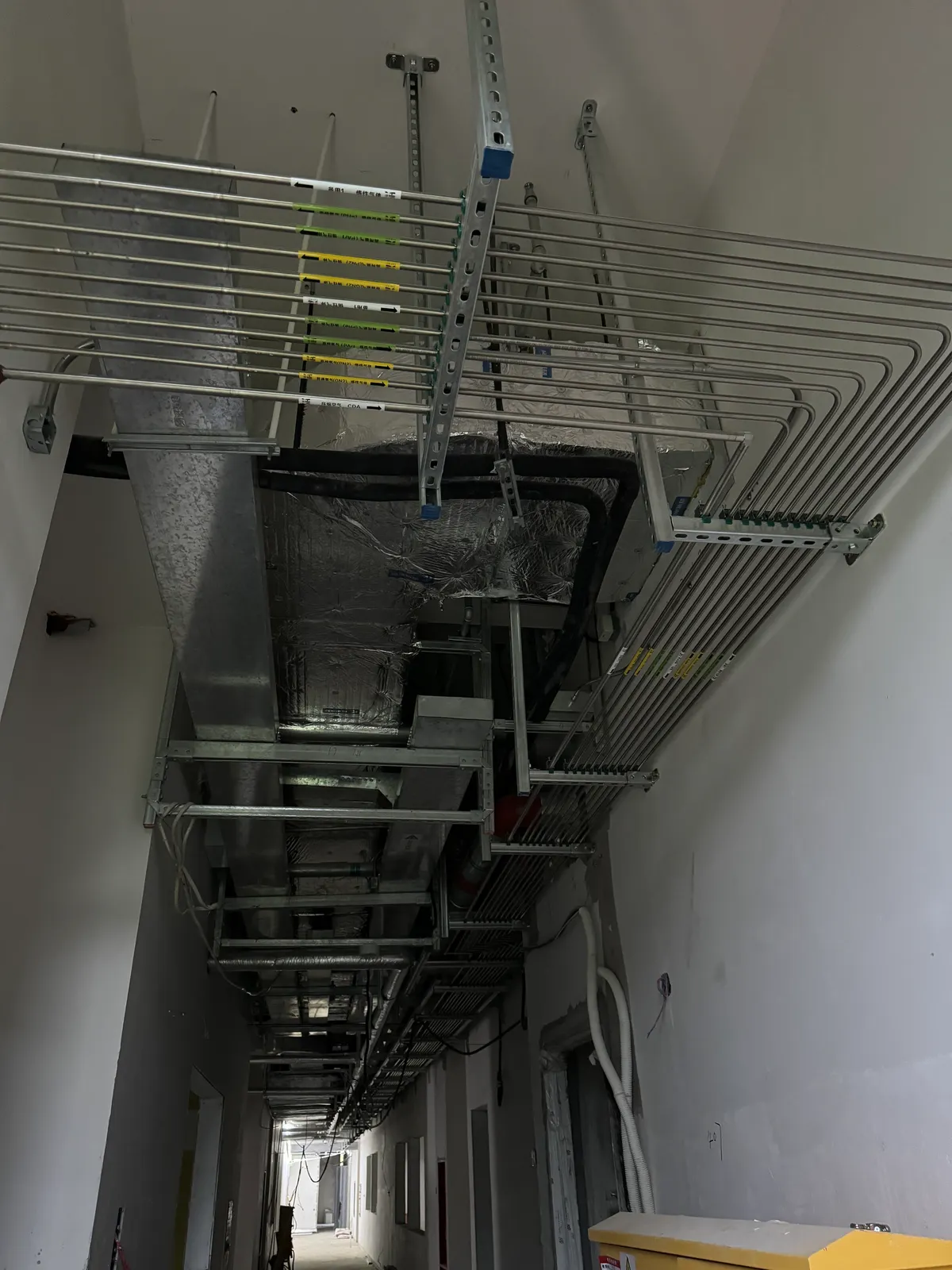
Pressure and leak testing, functional checks, inspection of labels, and cleaning or purge verification may be required at different stages. The method and acceptance value must match the actual component or installation specification. For a laboratory pipeline, commissioning may also include line identification, outlet pressure checks and as-built review. A generic declaration that a system was tested is less useful than a record naming the circuit, method, result and date.
Helium leak testing may be appropriate for some high-purity assemblies, but it is not a universal requirement or a substitute for other project checks. The responsible engineering and safety teams should confirm which tests apply, who witnesses them, and which records will be handed over. Where local rules or customer standards govern the work, they take precedence over a generic website description.
06 / DOCUMENTED QUALIFICATIONS
Ask for current, scope-specific proof
A company certificate, welding qualification, product approval or material certificate answers a different question. Buyers should ask for the issuing body, holder, scope, location, validity date and relationship to the offered product or installation work. A quality-management certificate does not automatically certify every cabinet, fitting, gas line or installer. Equally, a standard cited in a quotation must be tied to the exact part of the scope that is designed or tested against it.
LGF can discuss the document package needed for a particular project: drawings, material details, component data, inspection or test reports, operating instructions and applicable current certificates where available. The customer and project engineer should review these before acceptance. This process gives procurement a stronger basis for comparison than a page full of unsupported certification badges.
NEXT-STEP CHECKLIST
Evidence to request for a technical review
- Gas schedule with purity, pressure, flow and hazard information.
- Approved drawings and a revision-controlled equipment list.
- Wetted-material and connection details for each service.
- Current certificates with holder, scope and validity where required.
- Agreed test method, acceptance criteria and record format.
- Handover package linking models and circuits to the as-built system.
PRACTICAL QUESTIONS
Qualifications questions
Does a quality-system certificate prove every product is certified?
No. Certificate scope and product-specific requirements must be reviewed separately.
Is 316L stainless steel enough to guarantee high-purity delivery?
No. Gas compatibility, finish, cleanliness, connections, handling and verification also matter.
Can a buyer request project test records?
Yes. The requested test and acceptance documentation should be stated in the project specification and confirmed before order placement.
LGF LAB GAS FLOW
Review the requirement and the evidence together.
Send LGF the gas schedule, specification and required document list. We can identify which component details and project records need confirmation.