
LGF / ABOUT US
LGF Lab Gas Flow Company Profile
LGF Lab Gas Flow focuses on the equipment and engineering decisions that move specialty gases from a managed source to a laboratory instrument.
INSIDE LGF LAB GAS FLOW
A company profile centered on laboratory gas delivery
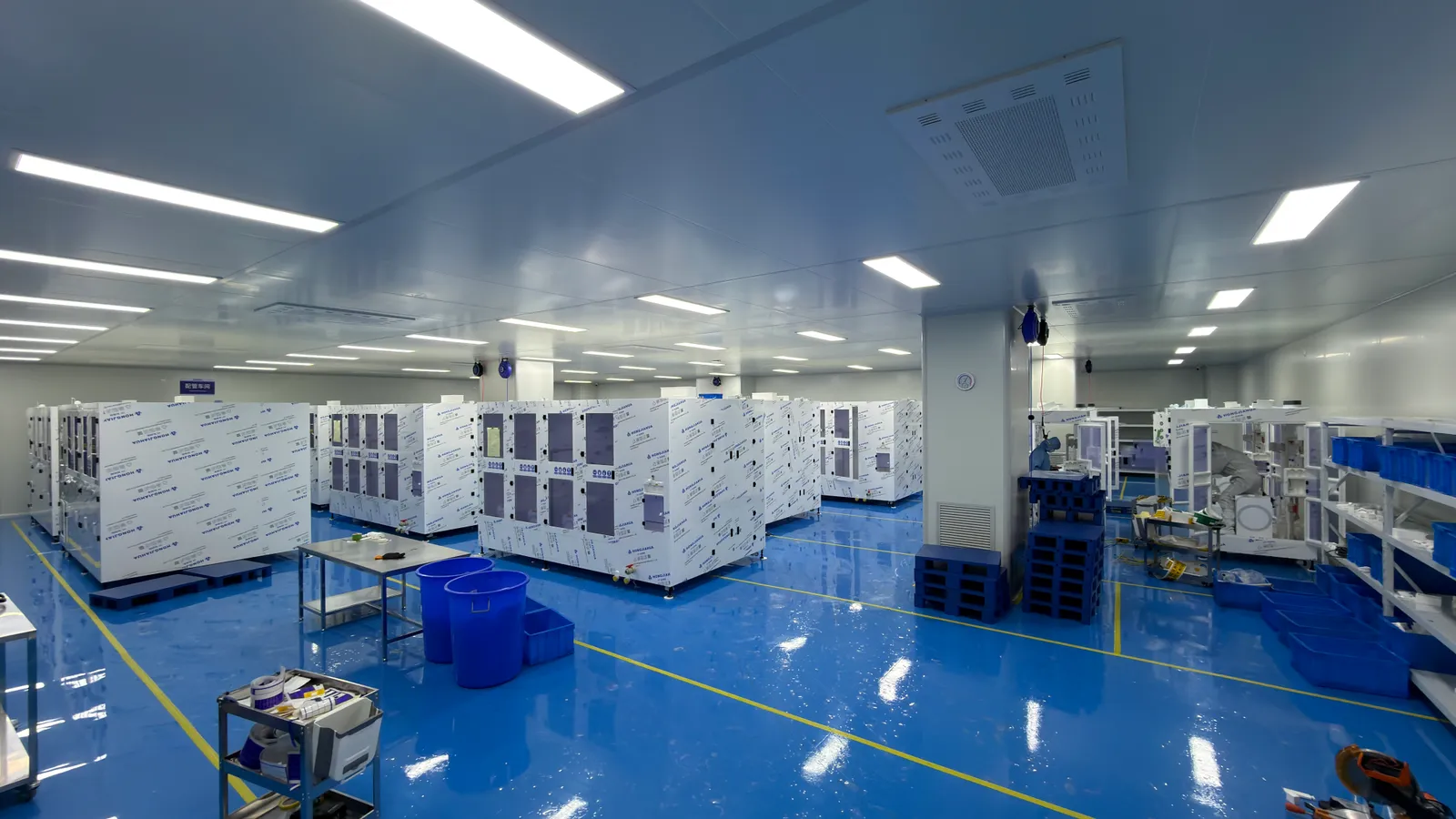
LGF Lab Gas Flow brings a laboratory-specific focus to high-purity gas delivery. The business covers precision gas-control components and engineered assemblies used in research and analytical environments: gas cabinets, pressure regulators, diaphragm valves, manifolds, distribution piping and point-of-use panels. Together, these elements form an integrated offering for laboratory specialty-gas applications.
A useful company profile should explain how a project moves forward, not merely list products. Laboratory managers need to understand whether the proposed system fits the gas, the instrument and the room. Design teams need clear interfaces. Procurement teams need a complete and reviewable scope. LGF uses these questions to connect component selection with the broader laboratory gas supply system.
01 / LABORATORY SPECIALTY GAS
Why the laboratory gas path needs its own attention
A research laboratory can use several gases at different grades, pressures and flows in the same building. Instruments may be moved, projects may change, and a cylinder bank may serve more than one room. A source that appears simple on a drawing can become difficult to operate if the manifold, distribution route and final outlet are considered separately. LGF approaches the gas path as a connected system from source to instrument.
The practical questions are specific: Which gas and purity must reach each outlet? What pressure and flow does the instrument require? Which parts contact the gas? Where should isolation, monitoring, purge and changeover be considered? A high-purity laboratory gas system is only as useful as the full path that preserves the specified condition and allows people to operate it safely.
02 / EQUIPMENT AND ASSEMBLIES
Components selected for a defined service
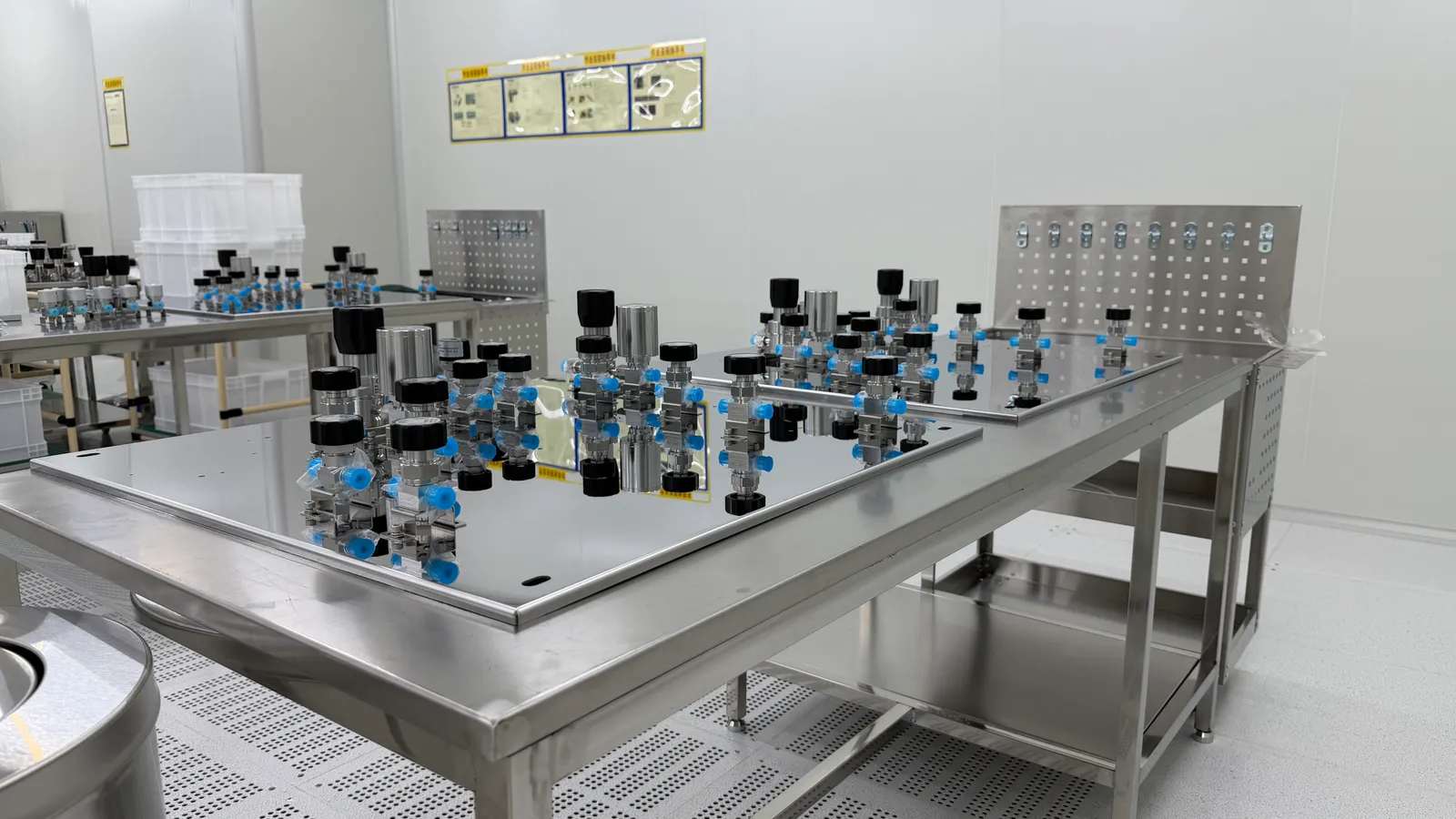
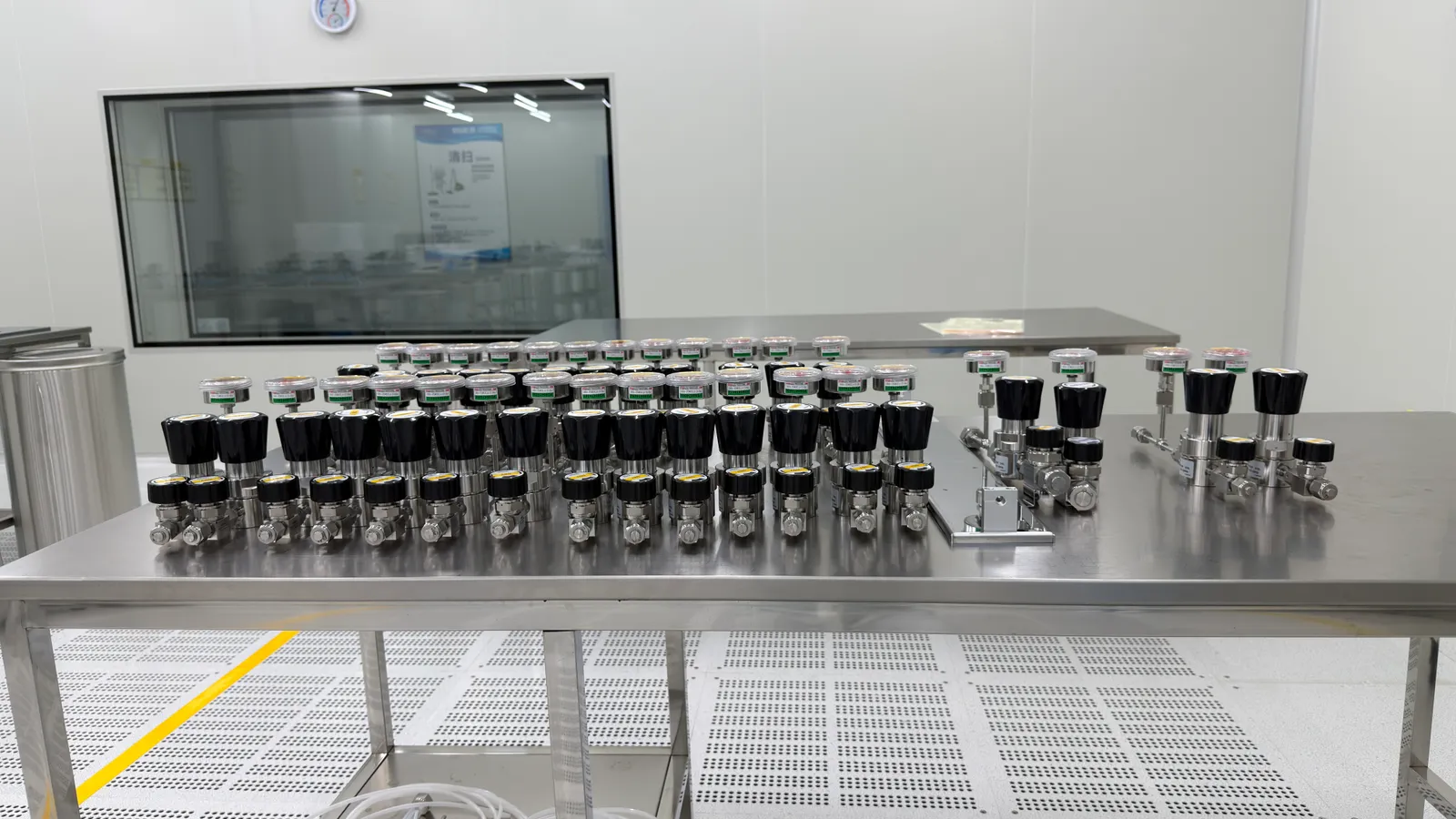
The LGF offering spans laboratory specialty gas cabinets, UHP high-purity gas regulators, high-purity diaphragm valves and fittings, gas monitoring and safety interfaces, point-of-use systems, gas manifolds and changeover assemblies, and piping components. These are different purchasing decisions, yet they share the same service data: gas identity, compatibility, inlet condition, controlled outlet pressure, peak demand, cleanliness target and connection standard.
For a project quotation, a product family is a starting point rather than a final specification. A regulator may need a particular pressure range, body material and connection; a cabinet may need an agreed ventilation and alarm interface; a manifold may need manual or automatic changeover. LGF's product pages support the comparison, while the project schedule defines what must actually be supplied.
03 / SYSTEM THINKING
Connecting design choices to the building and the instrument
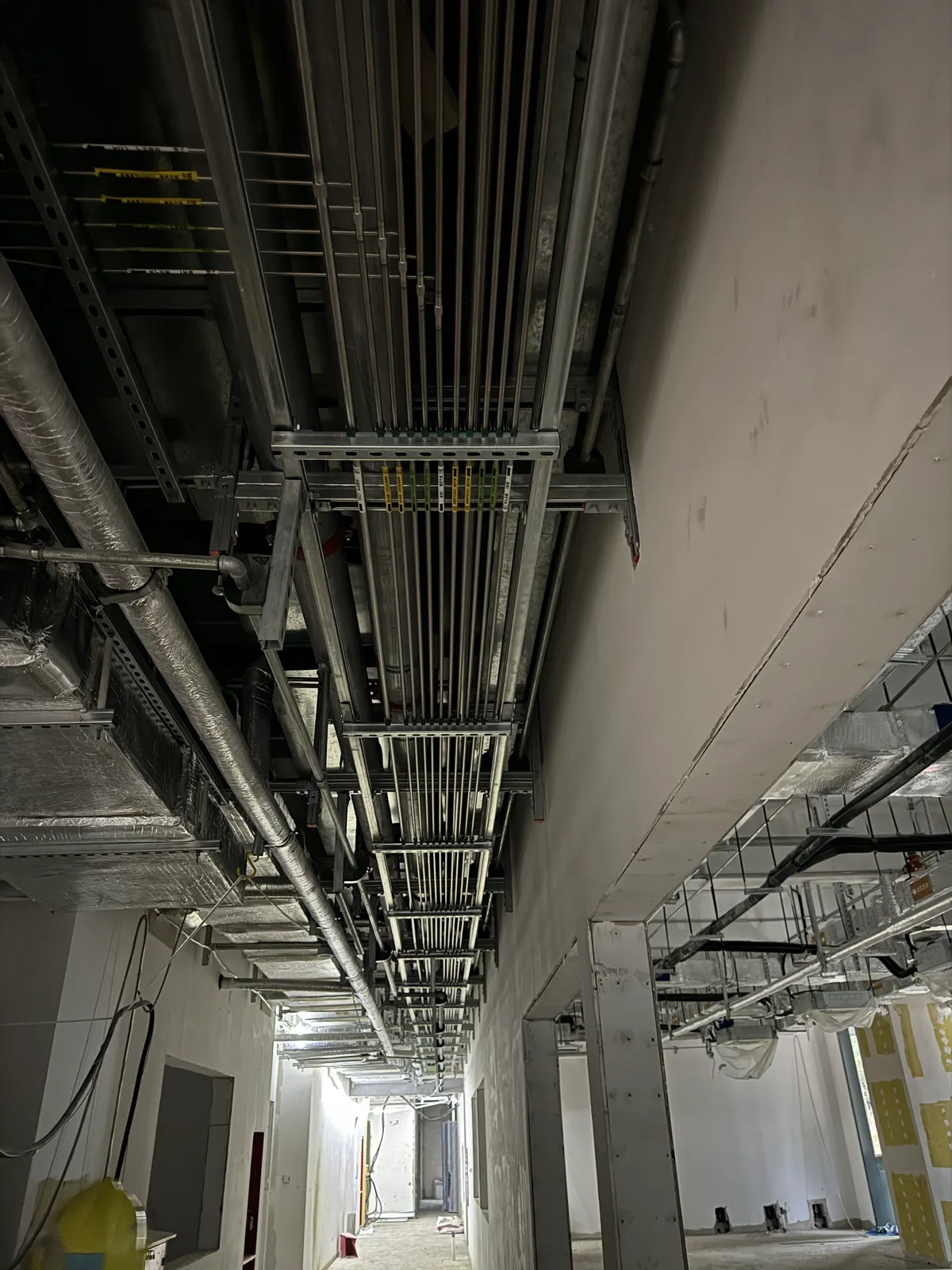
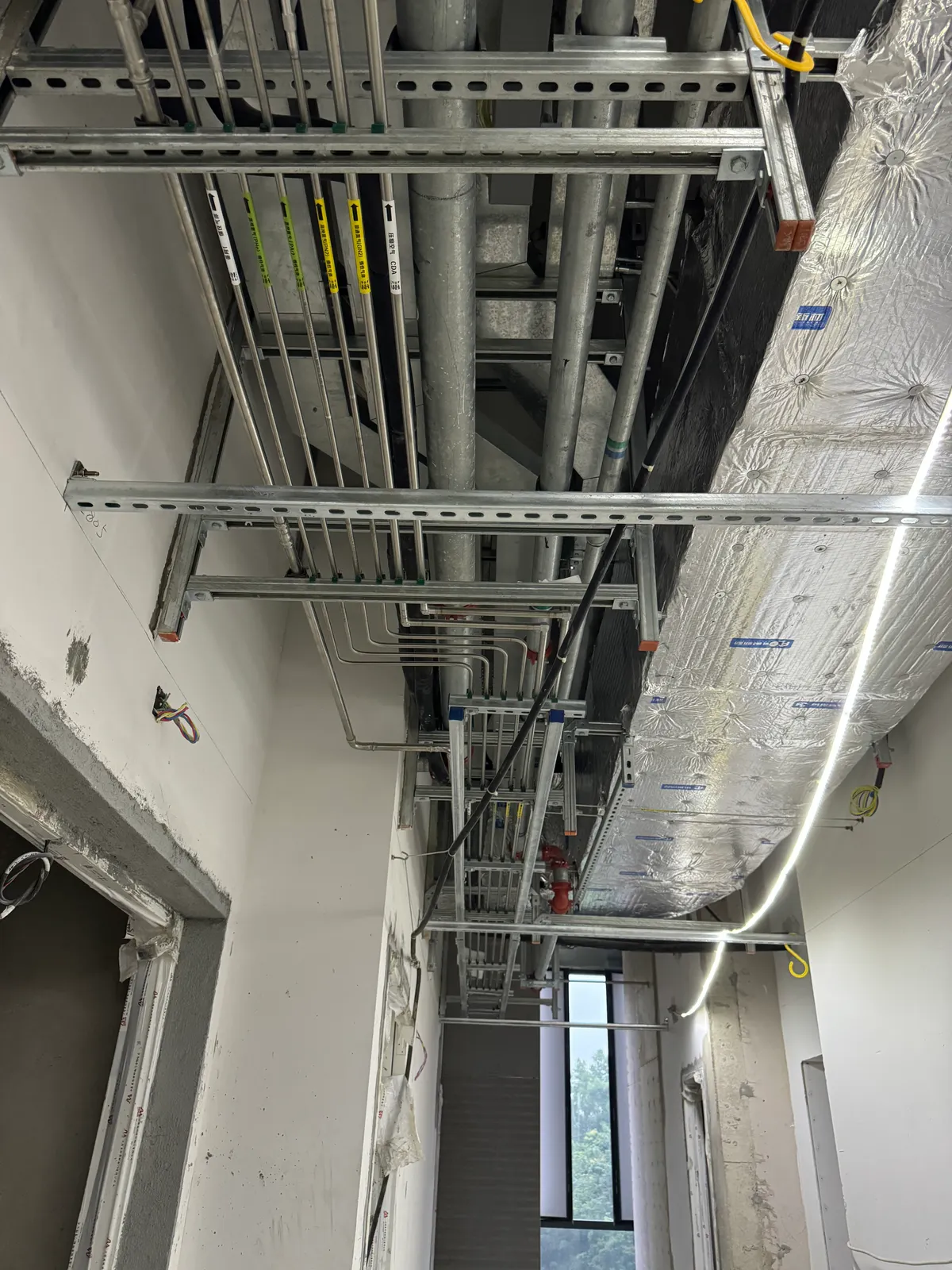
Laboratory gas delivery is also a building-services problem. Cylinder storage, accessible isolation, pipe routes, penetrations, electrical interfaces, room ventilation, detection and emergency response can affect the layout. LGF's solution work addresses centralized gas supply, flammable and corrosive specialty gases, compact research spaces, piping design and installation. The detail for each service should be reviewed with the facility engineer and the responsible safety team.
For high-purity services, material selection and connection practice are considered alongside purge strategy, cleanliness and planned verification. The goal is a gas path that can be built, identified, tested and maintained—not an impressive component list disconnected from the room. Project drawings, outlet schedules and interface notes make the design review more useful to everyone involved.
04 / APPLICATIONS
Supporting the people responsible for research continuity
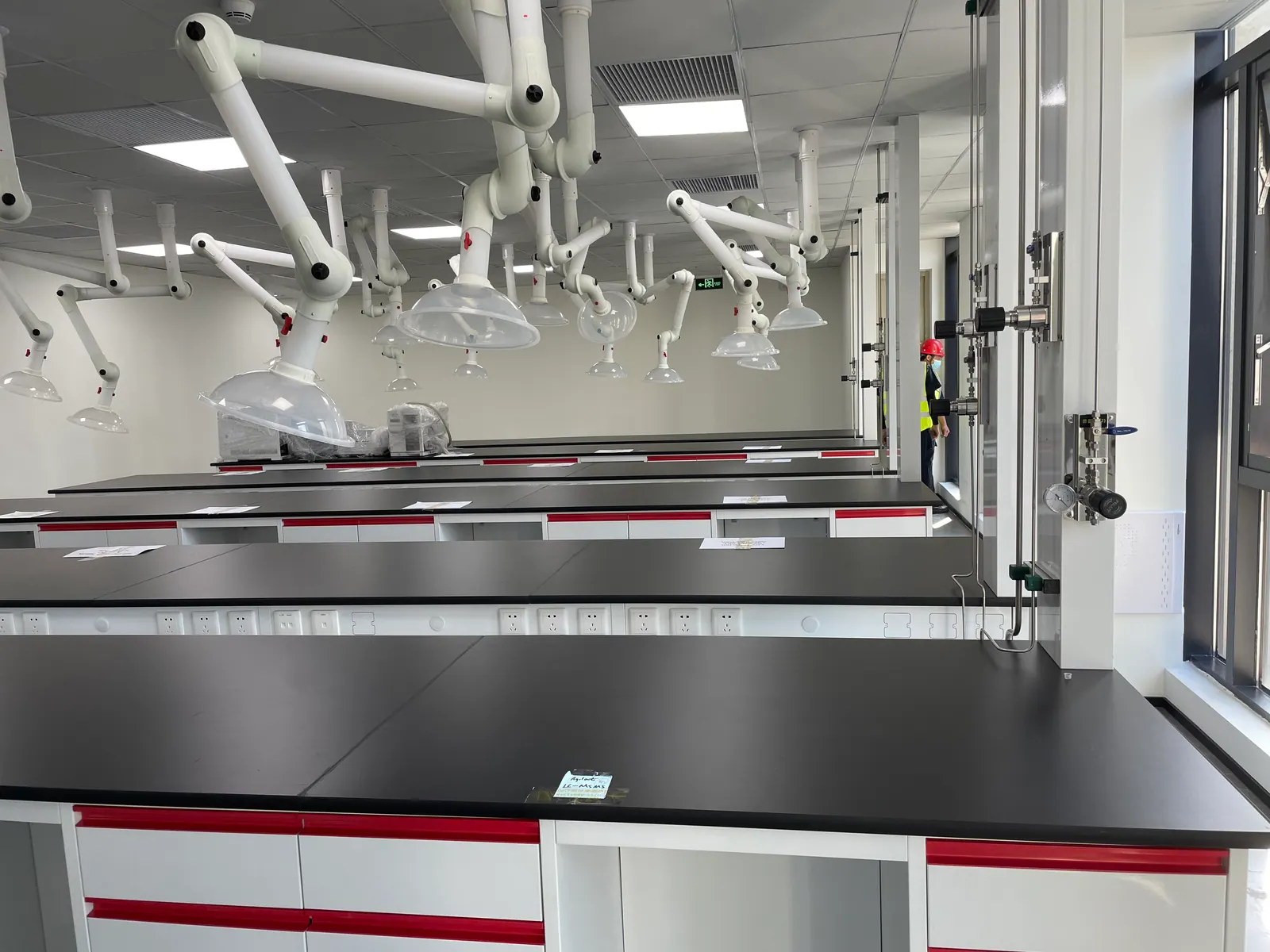
University and research laboratories, independent testing facilities, advanced-materials teams, biopharmaceutical laboratories and environmental or analytical laboratories all depend on stable gas service. Their operating patterns differ. Some prioritize clean carrier gas at an instrument; others need several room outlets, a managed cylinder changeover or carefully coordinated handling of hazardous gases. LGF organizes its application pages around these distinct contexts.
We also work with the project participants around the laboratory: designers translating equipment schedules into routes, contractors preparing installation and test records, and purchasing teams comparing complete scopes. A useful conversation states the work each party will perform, which assumptions remain open and what acceptance information will be available at handover.
05 / FROM BRIEF TO HANDOVER
A transparent sequence for a B2B inquiry
A good first brief includes a gas list, required grades, number and location of instruments, source type, pressures, normal and peak flow, continuity expectations and any known room hazards. A floor plan or marked route is useful even when it is preliminary. LGF can then discuss an equipment boundary and identify where additional information is needed before a firm configuration or quotation is prepared.
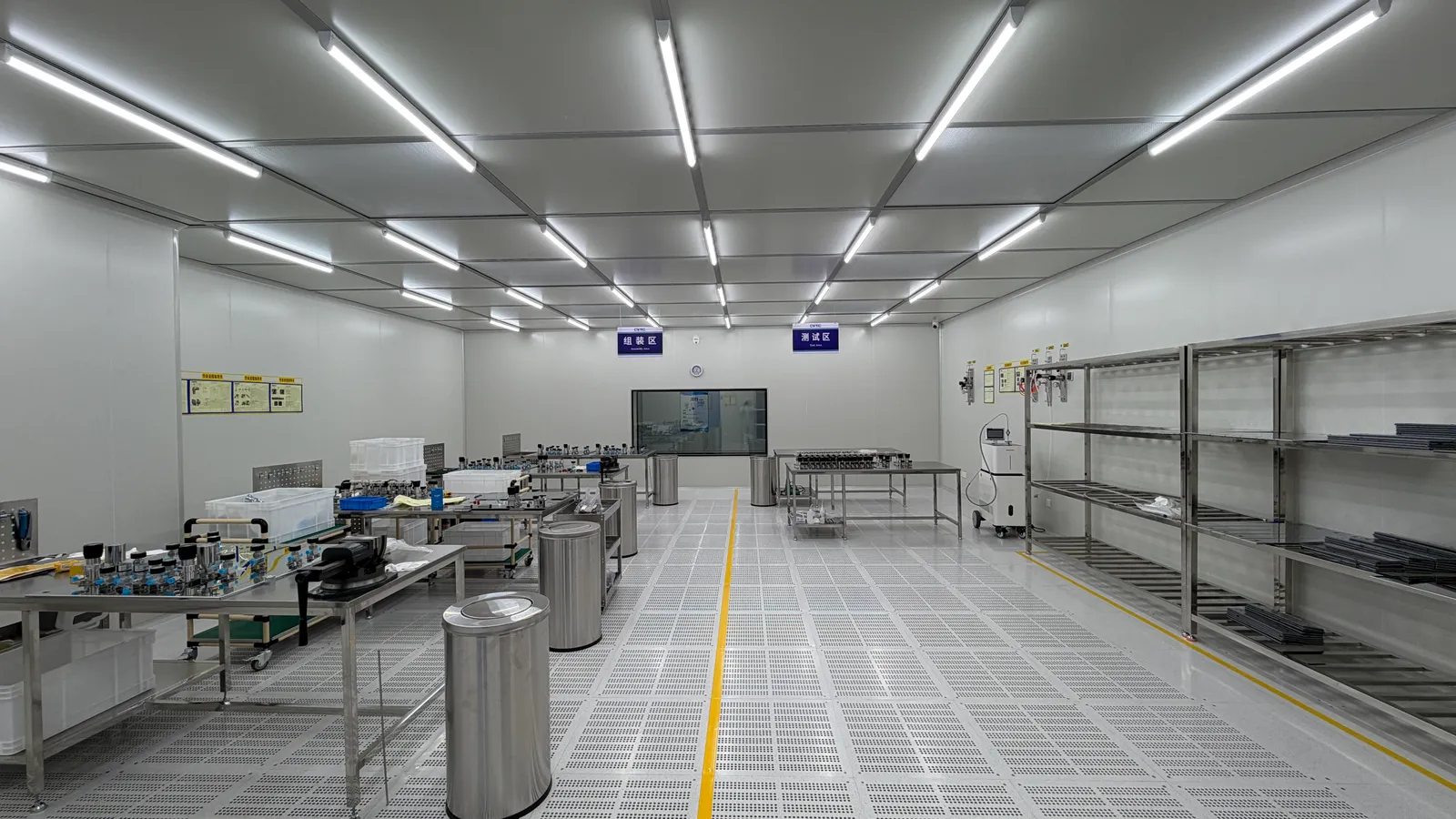
As the scope develops, the team can review source arrangements, components, distribution, local control, monitoring interfaces and required documentation. The final purchasing package should make model or assembly references, quantities, connection details, drawing revisions and test or acceptance responsibilities clear. This is particularly important when installation is coordinated with other trades or an existing laboratory stays in operation.
06 / AFTER INSTALLATION
Keeping the gas system understandable as the laboratory changes
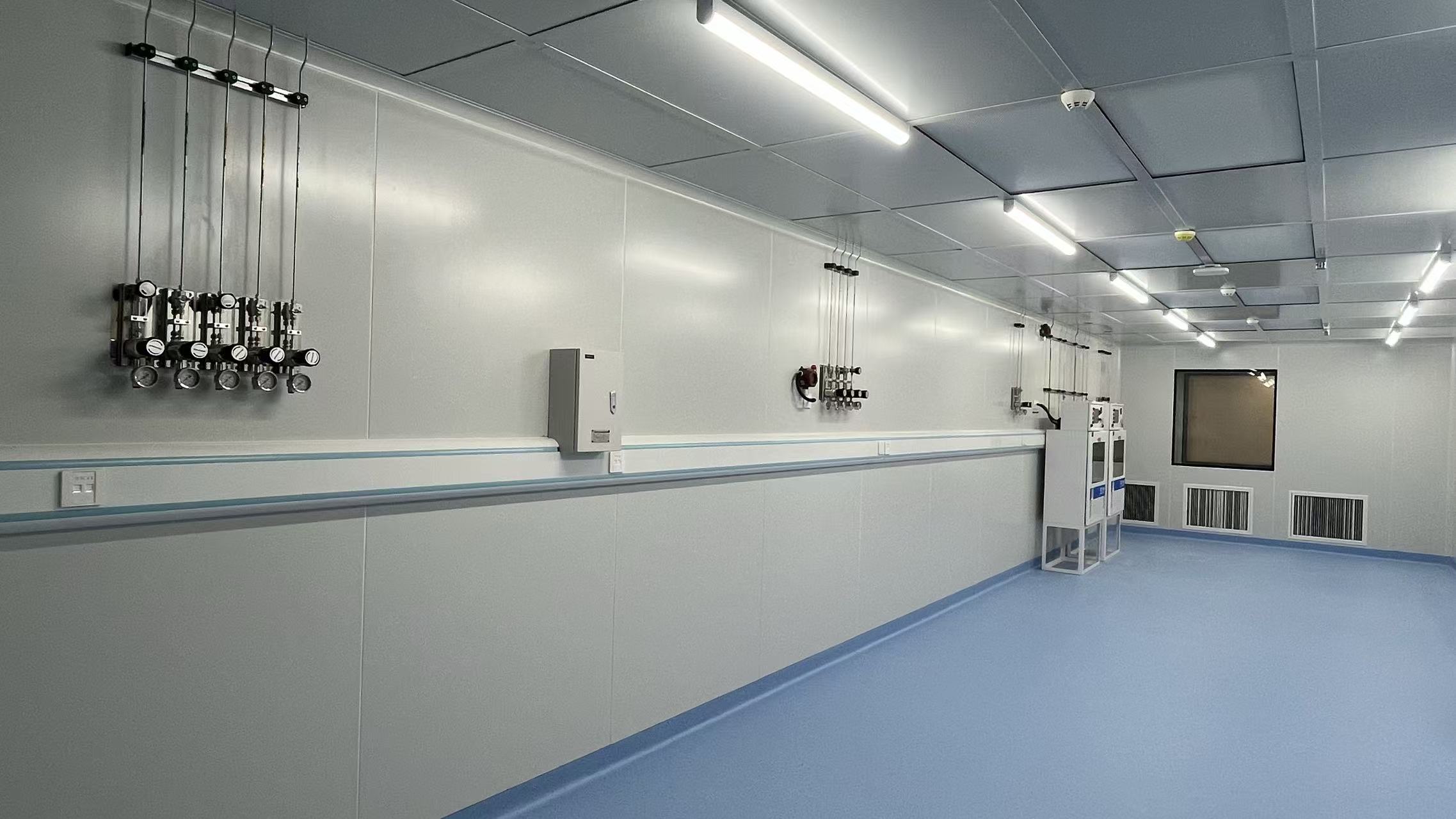
Gas distribution does not stop being a technical responsibility after commissioning. New instruments, revised gas grades and changes to room use can make an original assumption obsolete. An accessible gas and outlet schedule, line labels, as-built drawing and maintenance record help operators evaluate the next alteration rather than guess what an existing valve or pipe serves.
LGF's technical support material covers selection, installation records, frequently asked questions, documents and planned inspection. These resources are intended to help teams ask better questions; the actual work scope and safety method must always reflect the site and gas service. If you are planning a new laboratory or a retrofit, share the current schedule and the intended operating change so the discussion starts from a real requirement.
NEXT-STEP CHECKLIST
What to share when contacting LGF
- List each gas and purity grade at the point of use.
- Identify instruments, outlets, pressures and peak flow needs.
- Show source locations, room layout and expected cylinder continuity.
- Flag flammable, corrosive or toxic gas services for hazard review.
- Send existing drawings for retrofit or extension work.
- Describe the requested equipment, installation and documentation boundary.
PRACTICAL QUESTIONS
Company and project questions
Is LGF focused on laboratory gas systems?
Yes. This site presents LGF Lab Gas Flow's laboratory specialty-gas equipment and system scope, including source control, distribution and point-of-use arrangements.
Can LGF review an existing laboratory layout?
A marked plan, gas schedule and description of the proposed change help start a technical review. The final design and site work require confirmation of actual conditions and responsibilities.
Does a catalog item define the complete system?
No. Gas identity, source conditions, instrument demand, materials, room interfaces and acceptance criteria must be agreed for the project.
LGF LAB GAS FLOW
Start with your laboratory gas schedule.
Tell LGF Lab Gas Flow what gases, instruments and rooms the system must serve. We can discuss the component and project information needed for a useful next step.