
LGF / TECH SUPPORT
Laboratory Gas System After-Sales Maintenance & Annual Inspection
An installed gas system changes with use. Build a maintenance plan around the current gas list, equipment records, observed condition and the facility’s risk and operating requirements.
A PRACTICAL TECHNICAL GUIDE
From handover package to a working maintenance plan
A laboratory gas supply system should not become invisible after commissioning. Cylinders are exchanged, instruments move, alarms occur and room use changes. A maintenance program connects those events to an asset register and a safe process for inspection, repair and return to service. This page describes a planning approach for after-sales support and a scheduled annual review; it does not prescribe a universal inspection frequency for every gas or facility.
The responsible facility team should set intervals and methods using gas hazards, equipment instructions, service history, local requirements and the consequences of interruption. Routine users can report visible changes, while intrusive testing, adjustment and repair belong to authorized personnel under site procedures. The useful output is a record of findings, actions and retesting, not a vague assurance that the system was checked.
01 / ASSET REGISTER
Know what is installed and where it goes
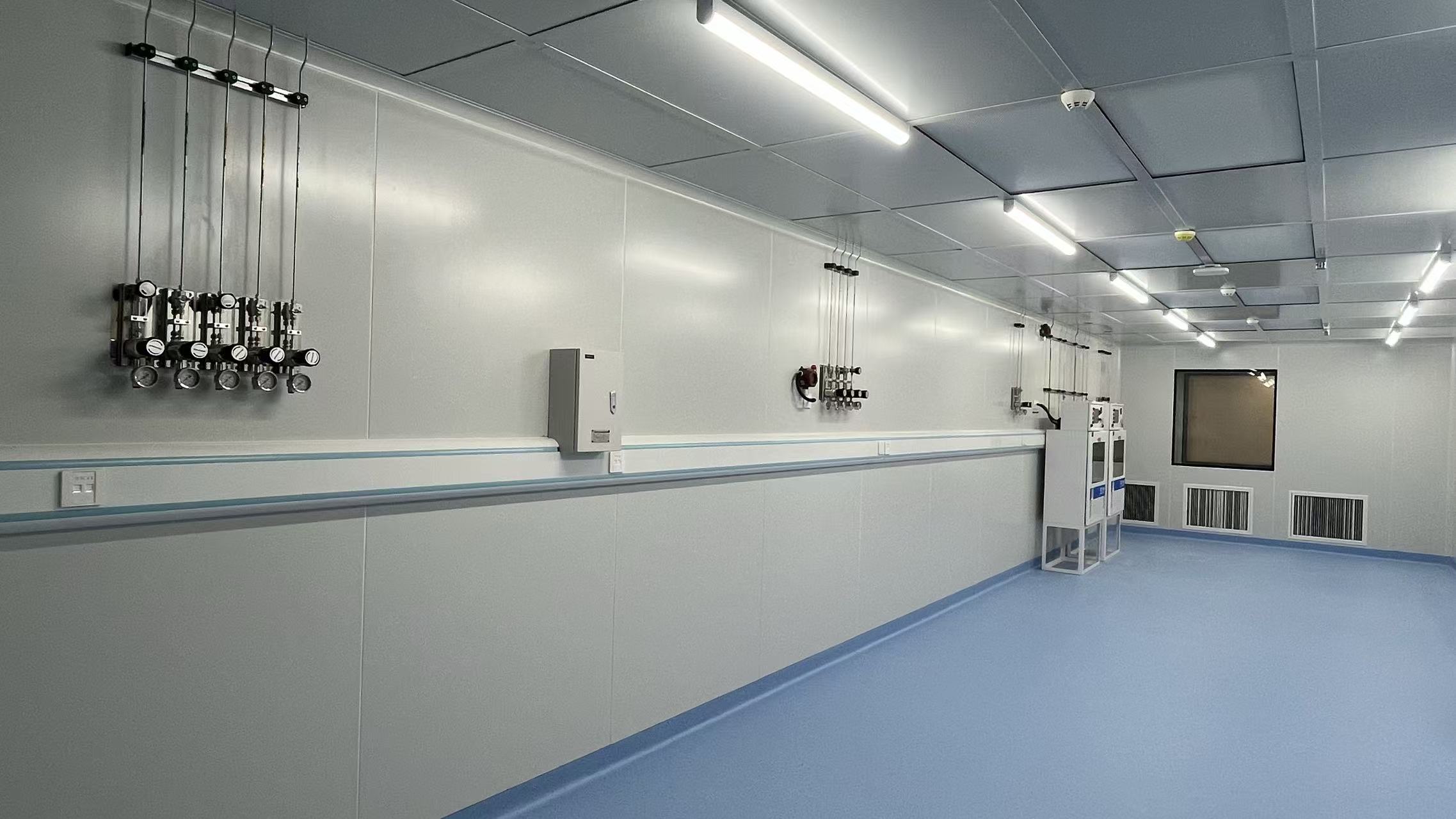
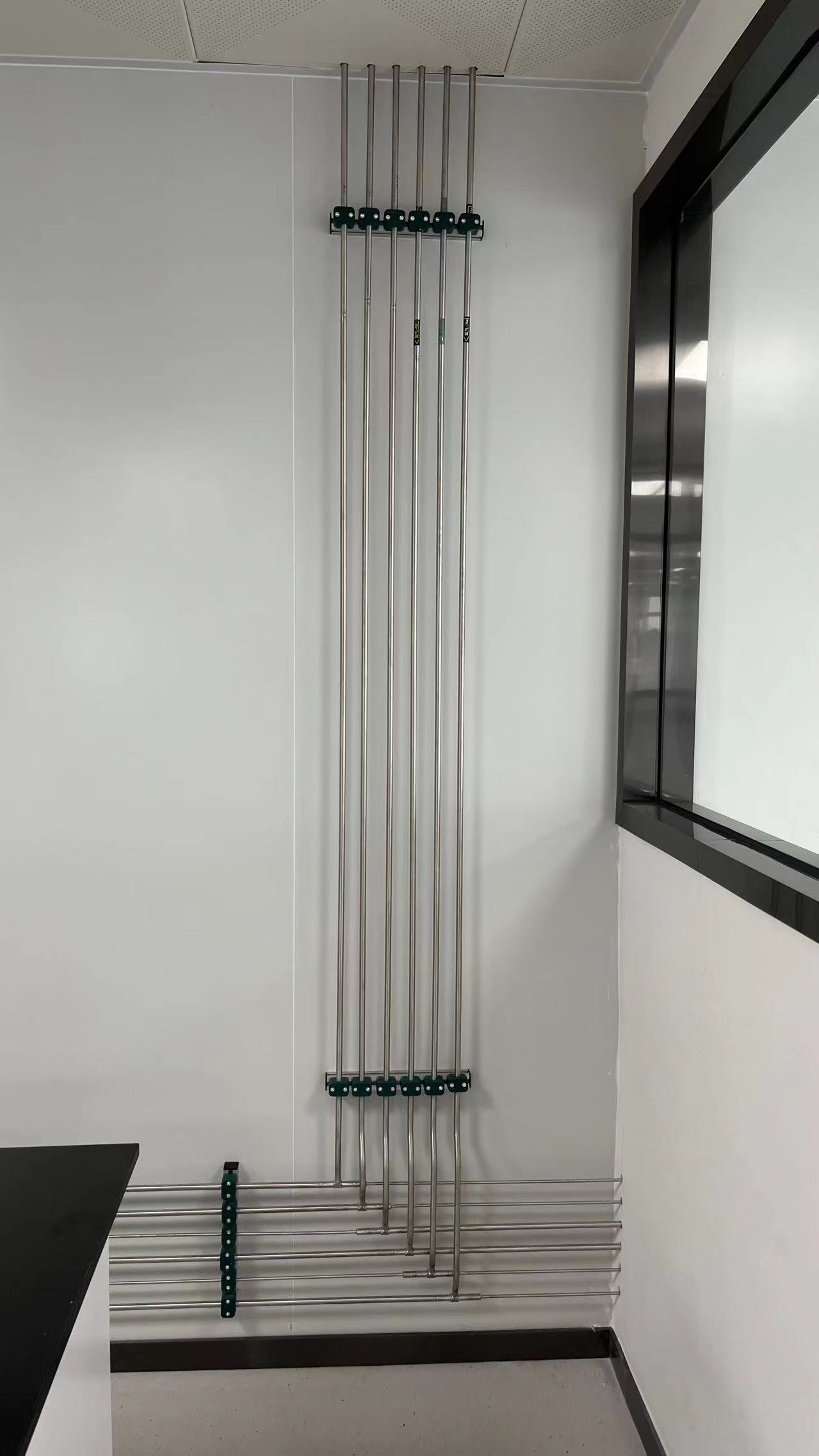
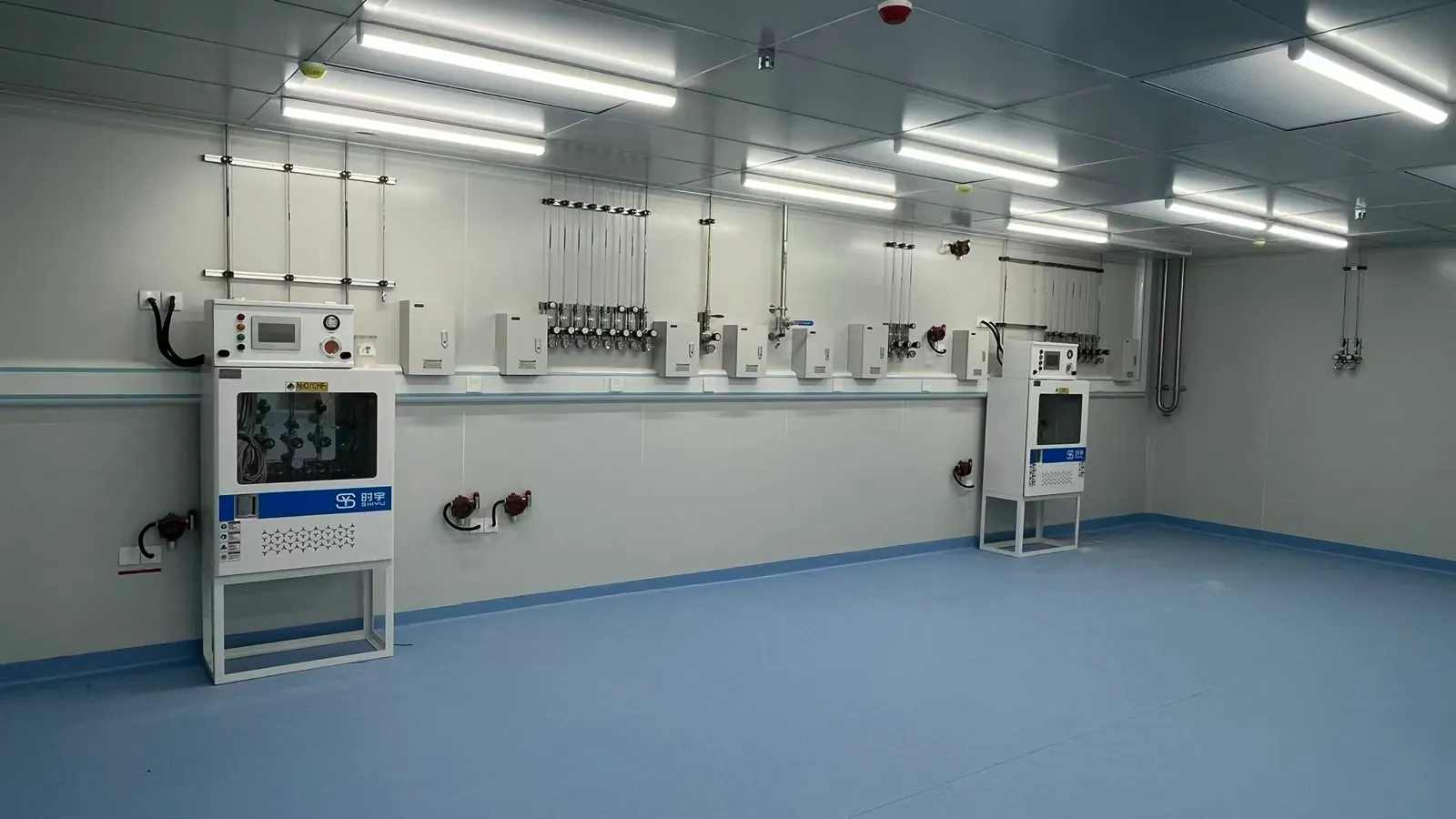
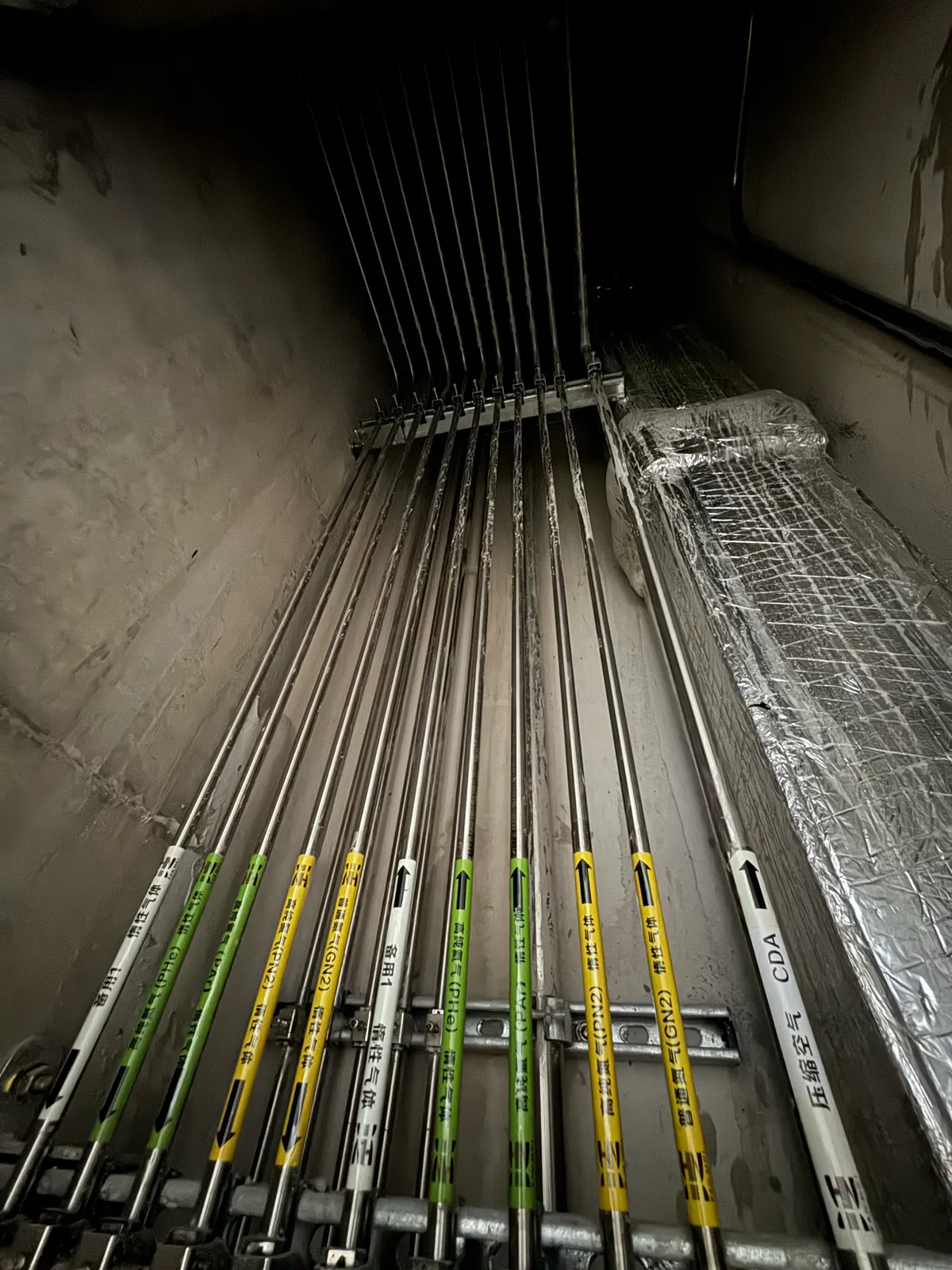
Start with the latest gas schedule and as-built source-to-outlet drawing. List cylinder connections, manifolds, regulators, valves, gauges, filters, flexible hoses, detectors, alarm panels, supports and terminal outlets as applicable. Give each maintainable item an identifier and location. Record its model, gas service, approved pressure range, installation date and any manufacturer service instructions.
Compare the register with the current room and instrument use. An outlet may have been moved, capped or connected to a new analyzer since the original handover. An annual walkdown is an opportunity to identify such differences, but the facility also needs a change process between scheduled reviews. Unknown or unlabeled lines should be investigated rather than accepted on assumption.
02 / ROUTINE AWARENESS
Record unusual conditions without improvising repairs
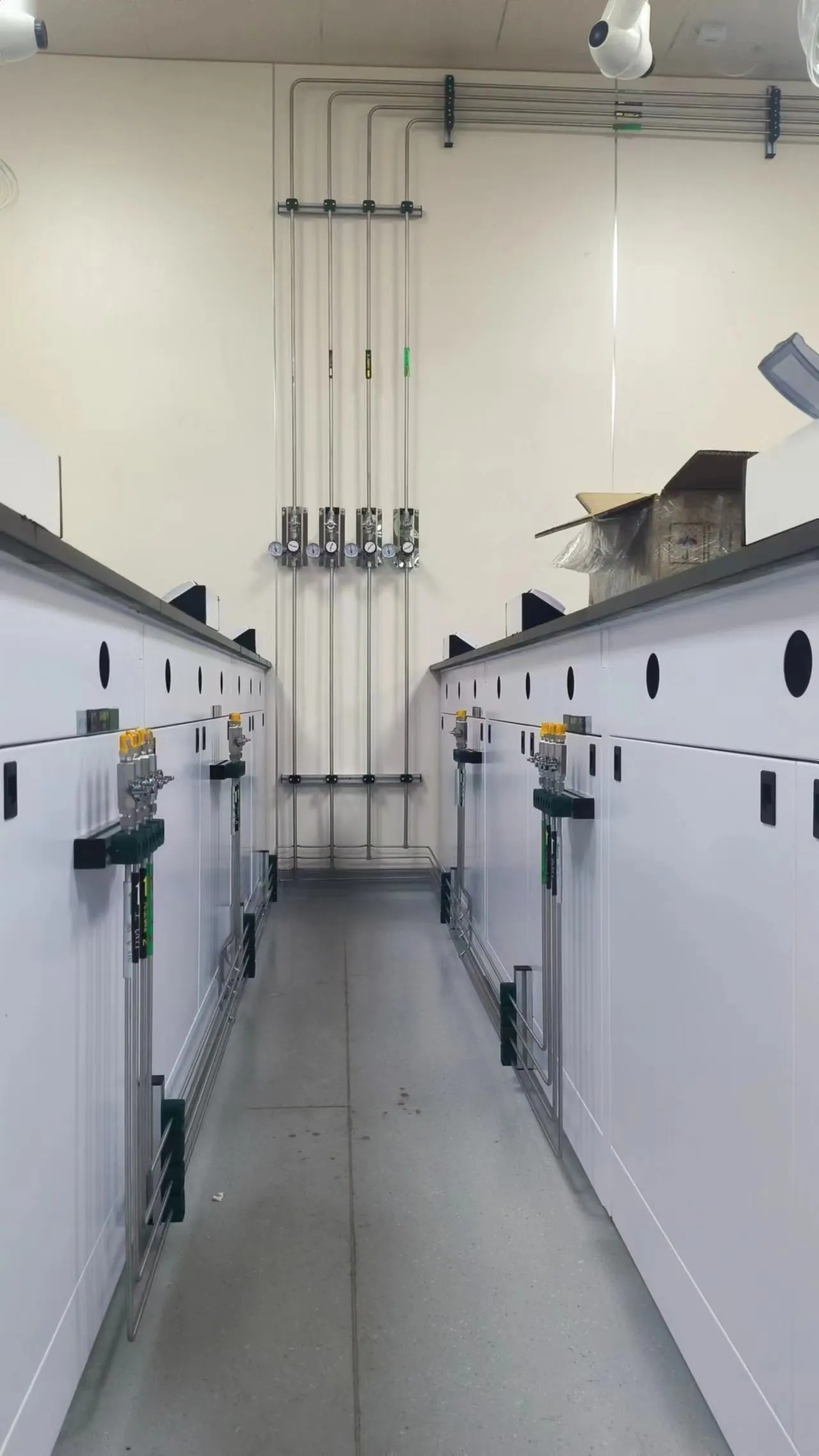
Operators may notice a damaged label, unstable gauge, empty cylinder, obstructed cabinet access, alarm or a line that has been disturbed by other work. A simple reporting route should capture the location, gas, time and visible condition. Staff should follow the facility emergency plan for a suspected leak or unsafe condition, and should not attempt an unapproved regulator adjustment or fitting repair.
Routine observations are not a formal leak test or inspection. They help maintenance personnel prioritize an assessment. The record should distinguish a confirmed defect from a reported symptom and identify whether a service has been isolated. This is particularly important when several teams share the same laboratory or cylinder room.
03 / PLANNED INSPECTION
Define what the scheduled review will cover
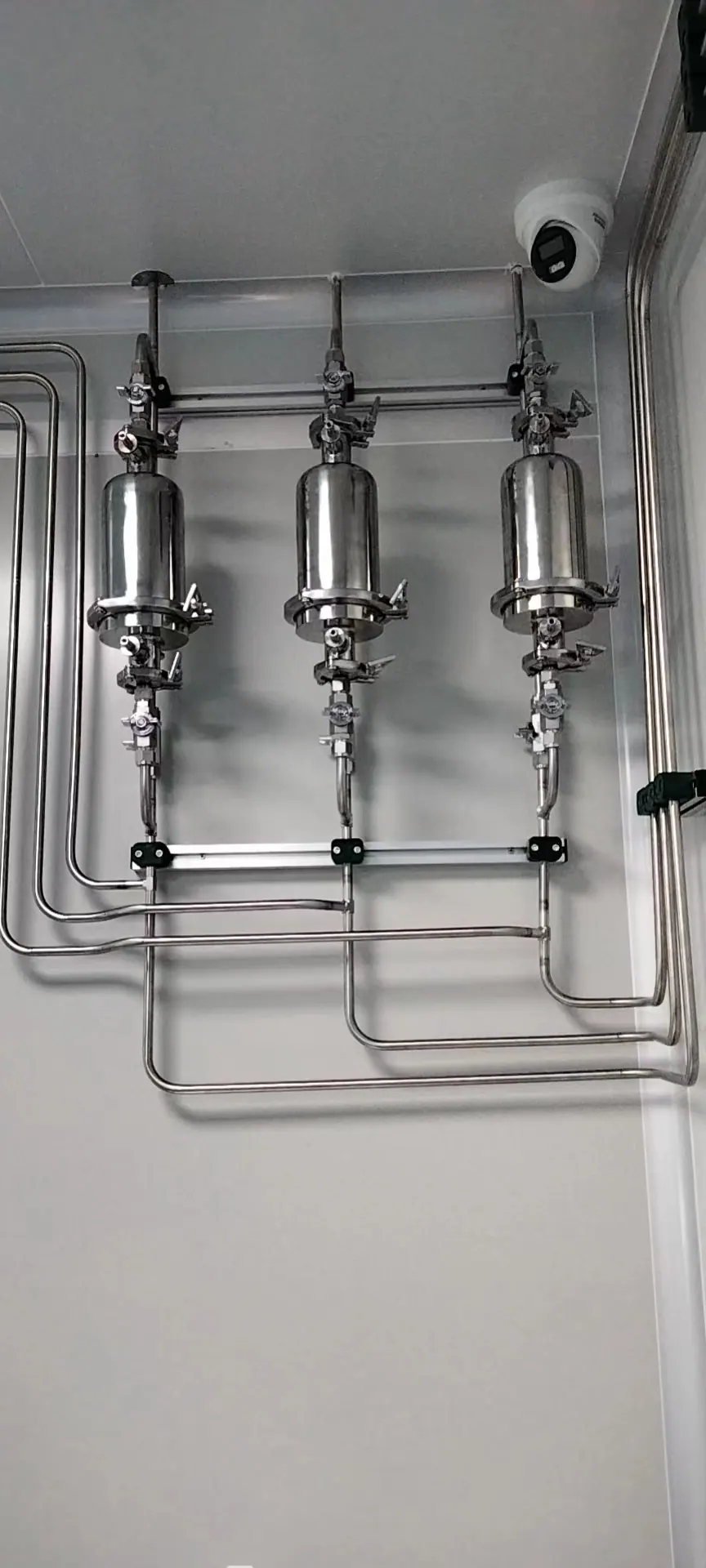
A planned annual inspection can compare the installed system with records and review visible condition, cylinder restraints, source access, labels, supports, regulator or gauge status, alarm history and known changes. The exact inspection checklist should be adapted to the gases, equipment and site policy. Some devices may require separate calibration or service intervals set by their manufacturer or by the facility’s risk assessment.
Agree on the boundary before work starts. A visual review of an accessible corridor is different from an intrusive examination inside a cabinet or a leak test on an operating line. The proposal should state which sources, rooms and components are included, which will remain in service, and what evidence the inspection team will deliver.
04 / INTERVENTION CONTROL
Plan isolation, testing and restoration by line
A defect may require a repair, replacement, pressure check, leak test or alarm functional test. These are different interventions with different isolation and return-to-service needs. The qualified team should select test media, methods and acceptance limits from the approved service specification and applicable requirements. Instrument protection and the effect on neighboring users should be considered before a branch is opened or a component removed.
After corrective work, document what changed, which line was affected, what was retested and who authorized reconnection. A replaced regulator or flexible hose may alter the approved configuration. The maintenance record should link the new model and material to the original gas and instrument requirements.
05 / CORRECTIVE ACTION
Turn findings into an owned action list
A useful report identifies each finding by equipment tag, location and observed condition. It states whether the item needs immediate isolation, engineering review, planned replacement, documentation correction or monitoring. Assign an owner and a target date under the facility process. A photograph can support the observation, but it should not be presented as proof of compliance or leak-tightness.
Look for patterns: repeated cylinder-change problems, inaccessible valves, recurring alarms or pressure instability may indicate a design or operating issue rather than a single failed component. The maintenance discussion can then feed a planned upgrade instead of repeated short-term fixes. Do not close an action until the required work and verification have been recorded.
06 / FUTURE USE
Keep the gas map current as the laboratory evolves
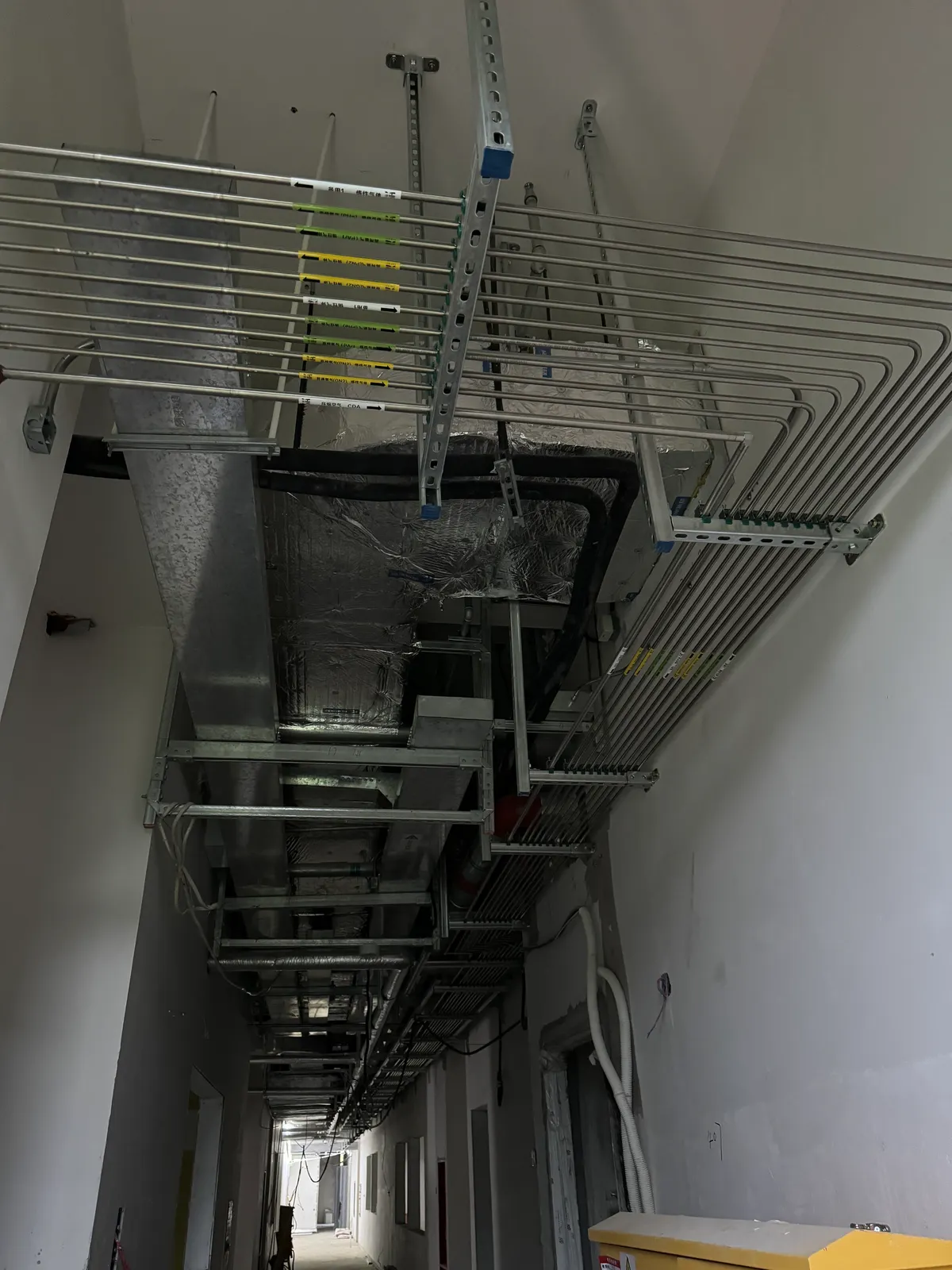
A new instrument can change simultaneous flow, outlet pressure needs or the gas grade required at a workstation. A room renovation may make a valve inaccessible or alter ventilation around a source. The facility should review those changes before connecting equipment and update the gas schedule, as-built drawing, labels and maintenance plan after approved work. Spare or reused lines need their own suitability review.
After-sales support works best when the current asset list, test records and operating instructions remain accessible to the people responsible for the system. A scheduled annual review is a useful checkpoint, but change records and incident reports keep the information current between reviews. That continuity makes the next technical decision faster and more reliable.
NEXT-STEP CHECKLIST
What to include in a maintenance or inspection request
- Current gas and outlet schedule with source locations.
- As-built drawings and equipment list or model references.
- Known alarms, incidents, repairs and cylinder-change issues.
- Rooms and components to be inspected, including access limits.
- Facility procedures for isolation, testing and restoration.
- Required report format, action owner and follow-up process.
PRACTICAL QUESTIONS
Maintenance and inspection questions
Is an annual inspection mandatory for every laboratory gas line?
No single interval applies universally. The facility should set scope and frequency from gas hazards, equipment instructions, service history and applicable requirements.
Can normal laboratory staff perform a leak test?
Only if authorized, trained and equipped under the facility procedure for the specific service. Intrusive or hazardous work requires qualified personnel.
What should be done after a regulator replacement?
Confirm the replacement model and gas compatibility, inspect the installation, perform the required checks and update the asset and as-built records before return to service.
What does a useful inspection report include?
The equipment and location inspected, method and boundary, observations, any test results, corrective actions, responsible owners and the status of return to service.
LGF LABORATORY GAS SUPPORT
Plan the next review around your actual installed system.
Share the current gas list, equipment register and known issues so LGF can discuss a realistic inspection and maintenance scope.