
LGF / TECH SUPPORT
Laboratory Gas System Frequently Asked Questions
Practical answers to common questions about laboratory gas supply, from cylinder changes and pressure control to delivered purity, line identity and later modifications.
A PRACTICAL TECHNICAL GUIDE
Find the missing fact before choosing an answer
A useful laboratory gas system FAQ should help the reader decide what information is missing. The same question can have different answers for an inert utility gas, a trace-analysis carrier gas and a hazardous specialty gas. Before acting, identify the gas, source, line tag, instrument inlet conditions and the facility procedure that applies. If the question concerns an abnormal or potentially unsafe condition, follow the facility emergency plan and involve qualified personnel.
This page covers common decision points without duplicating our product selection and installation guides. It explains how to frame a support request, why a component specification is not a system guarantee, and which records help a technician understand an existing line. Site-specific design, maintenance and compliance decisions require the responsible engineering and safety teams.
01 / CYLINDERS AND MANIFOLDS
What determines the source and changeover arrangement?
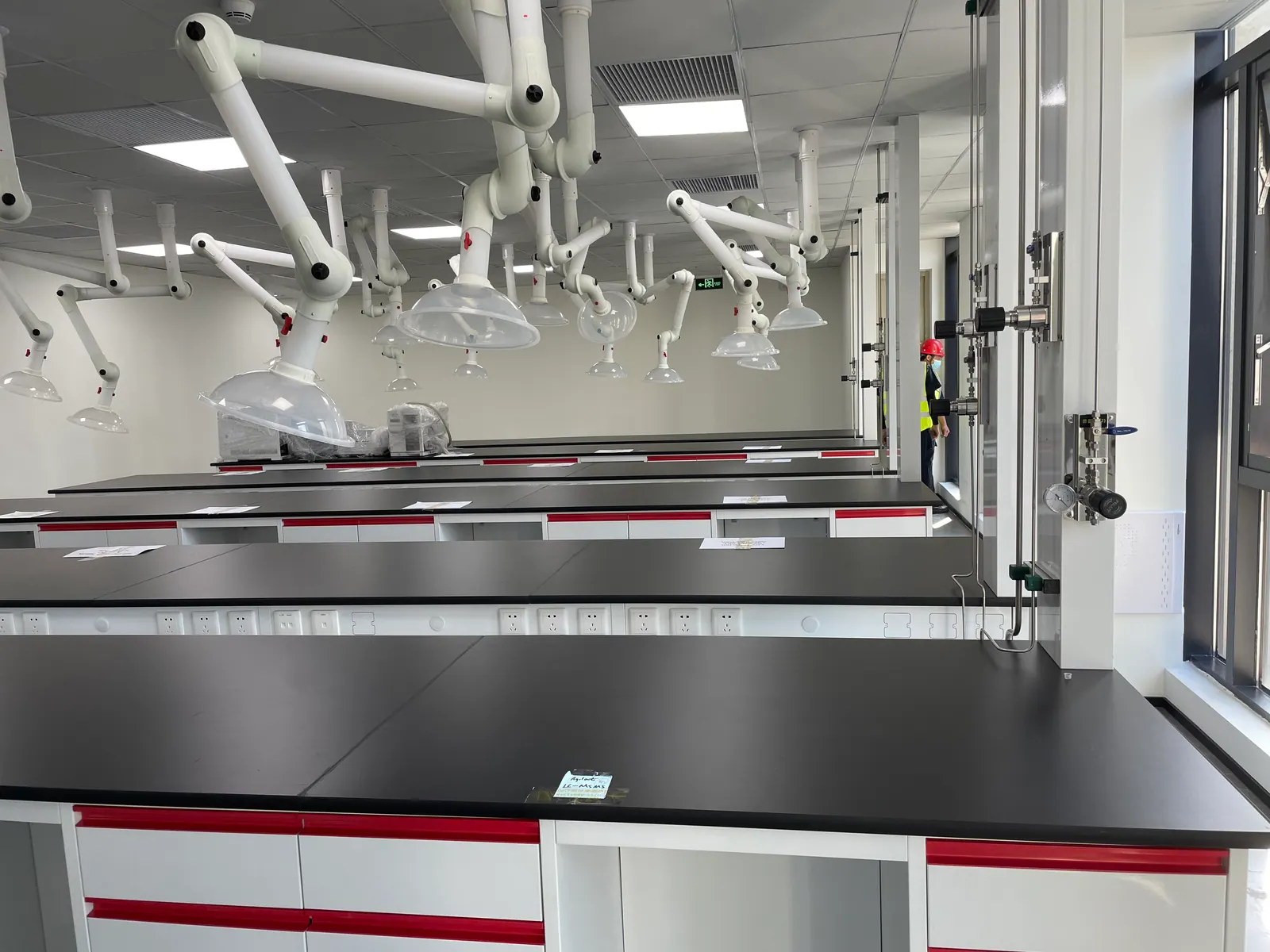
A central laboratory gas supply system can reduce cylinder handling at workstations, but the source should be chosen from actual consumption, cylinder size, peak demand, operating hours and the maximum interruption the instrument can tolerate. A manifold may serve several compatible outlets. A changeover arrangement can provide a reserve bank, yet it still needs a replenishment procedure and an indication that staff can interpret.
For a low-use gas, individual supply may be simpler; for a continuously operating analytical process, source continuity may matter more. The gas hazard changes the source-room requirements. The laboratory owner should document who replaces cylinders, who responds to low-pressure alarms and how a disconnected bank is made safe. These operating questions belong alongside the equipment capacity calculation.
02 / DELIVERED GAS QUALITY
Why can the instrument see a different gas quality from the cylinder?
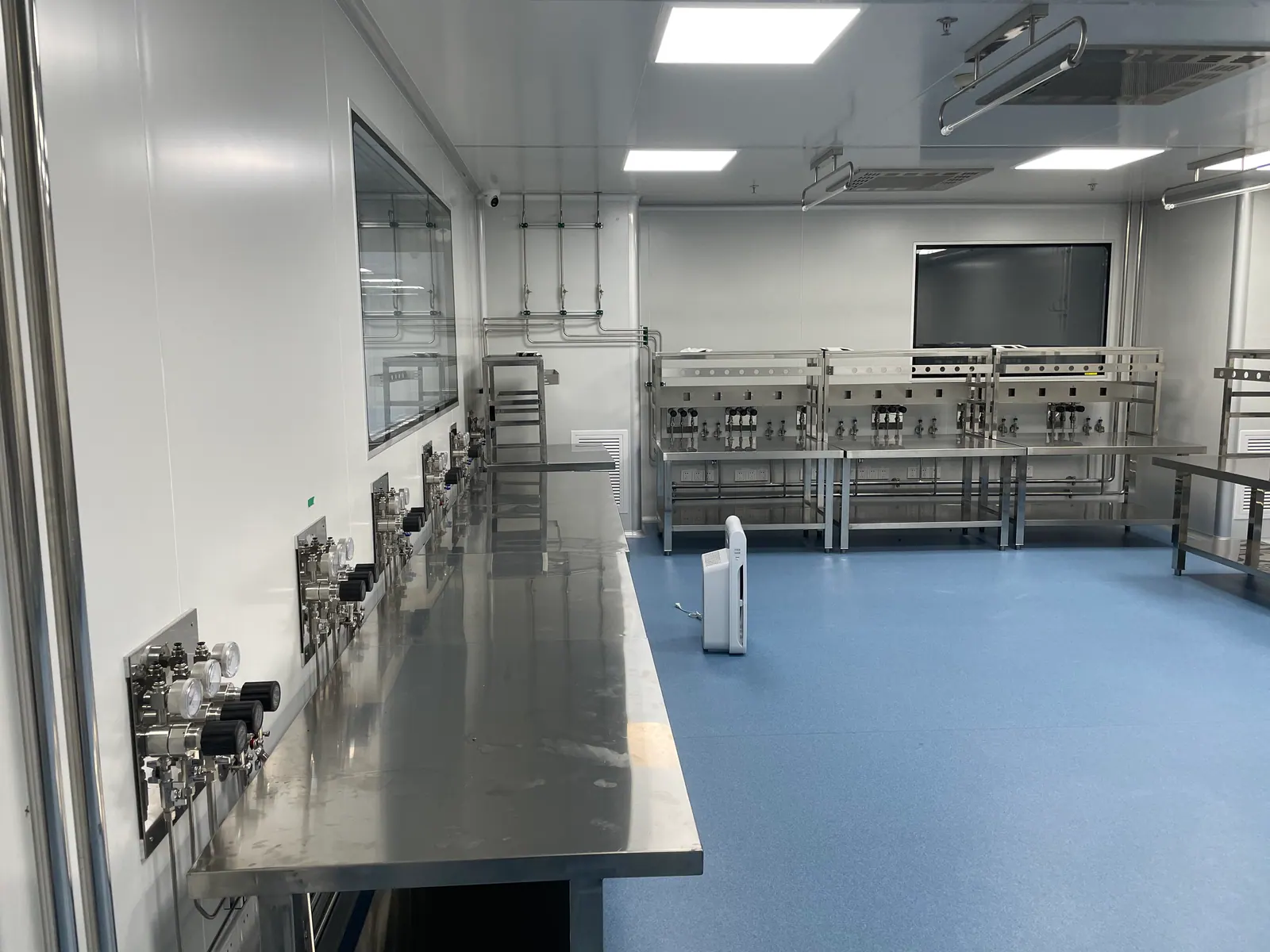
A cylinder certificate describes the gas supplied at the source under defined conditions. The path to the instrument includes a connection, regulator, valves, tubing, fittings and often a final flexible line. Moisture, air ingress, particles or incompatible materials introduced along that path may affect a sensitive method. A high-purity cylinder therefore does not, by itself, prove the delivered quality at the point of use.
Specify the required grade and any critical impurity limits at the instrument. Then select materials and a purge or verification method that support that target. A high purity laboratory gas system should be assessed as a complete path, particularly when a source is changed or a new branch is added. The facility and instrument supplier should agree on any analysis needed before use.
03 / CONTROL AND FLOW
What should be checked when outlet pressure seems unstable?
Start with the permitted pressure range at the instrument and the conditions in which instability occurs. The source pressure, regulator selection, simultaneous users, line losses, filter condition and local control arrangement can all influence delivery. A reading at an idle outlet may differ from the pressure during peak flow. Support staff need the gas, line tag, regulator model, source-bank status and time of the event to narrow the question.
Do not increase a regulator setting to compensate for an unknown restriction or an unverified instrument limit. An abnormal pressure or suspected leak needs site procedures and qualified review. The solution might be a source, control, distribution or instrument-connection issue, so the evidence should follow the gas from cylinder to point of use rather than focus on the closest gauge alone.
04 / HAZARD INTERFACES
Which safety features belong to the gas system?
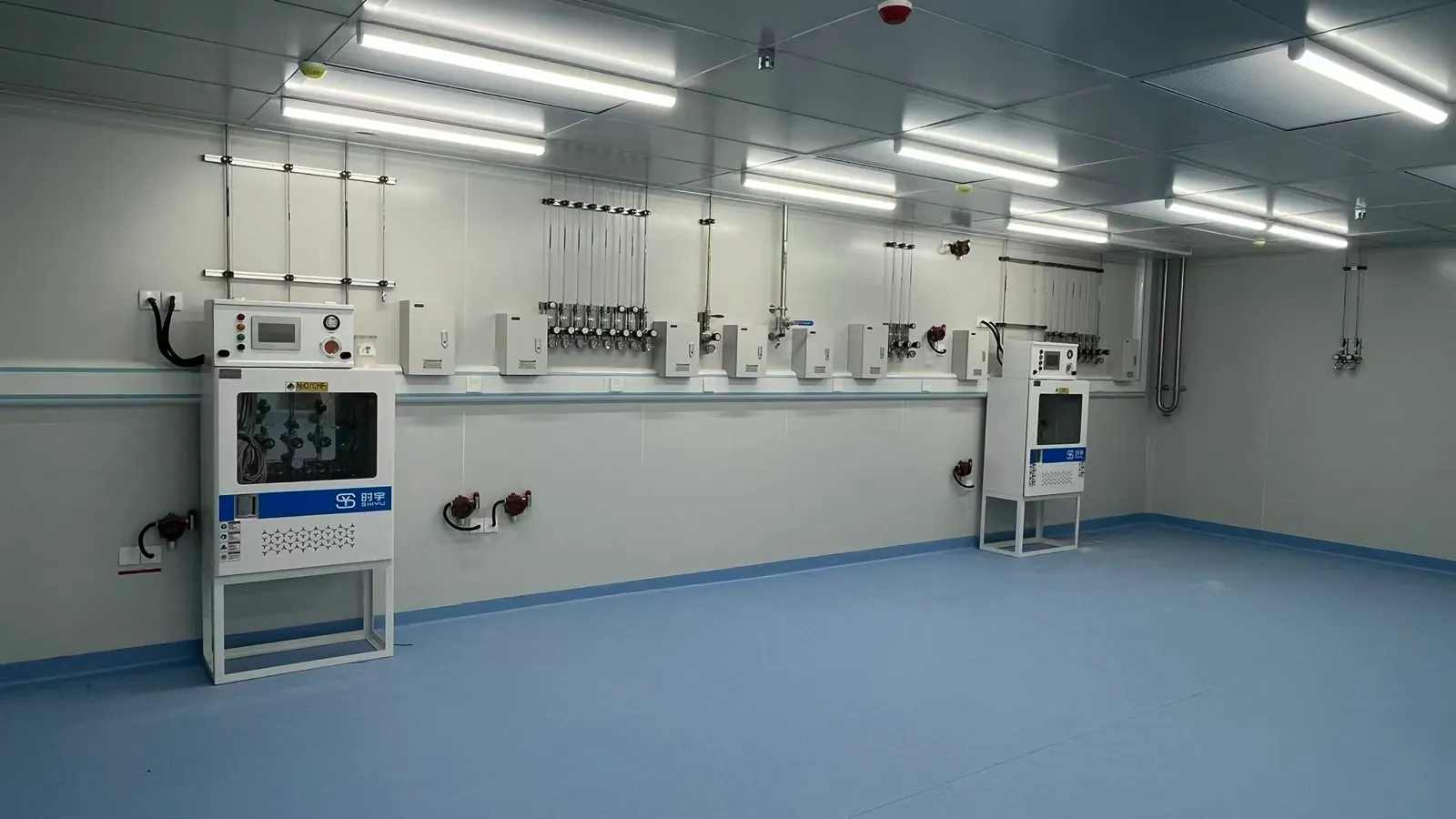
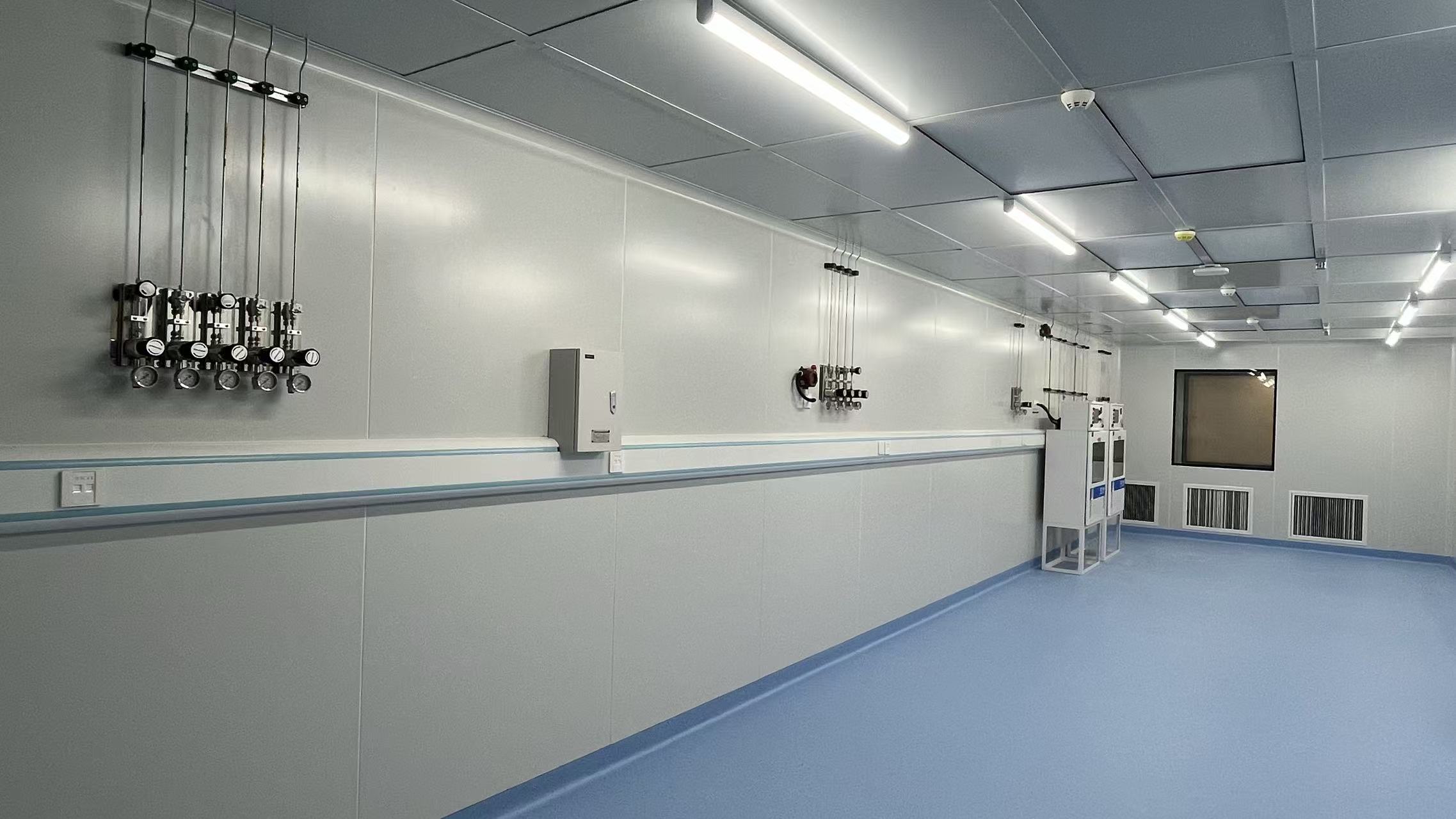
The answer depends on the gas properties and the room. Flammable, toxic, corrosive or oxygen-enriching services can require different containment, ventilation, detection, exhaust, isolation or purge provisions. A gas cabinet and distribution system is not safe merely because a cabinet is present; the surrounding interfaces and response sequence must be designed for the actual hazard.
The facility owner should identify the applicable local requirements and emergency procedures. A detector, alarm or shutoff should have an approved location, trigger and response owner. The operator should know how an alarm is communicated and who may restore the service. These are project-specific facts, not universal settings that can be copied from another laboratory.
05 / ALTERATIONS AND LABELS
Can a spare line or an existing branch serve a new instrument?
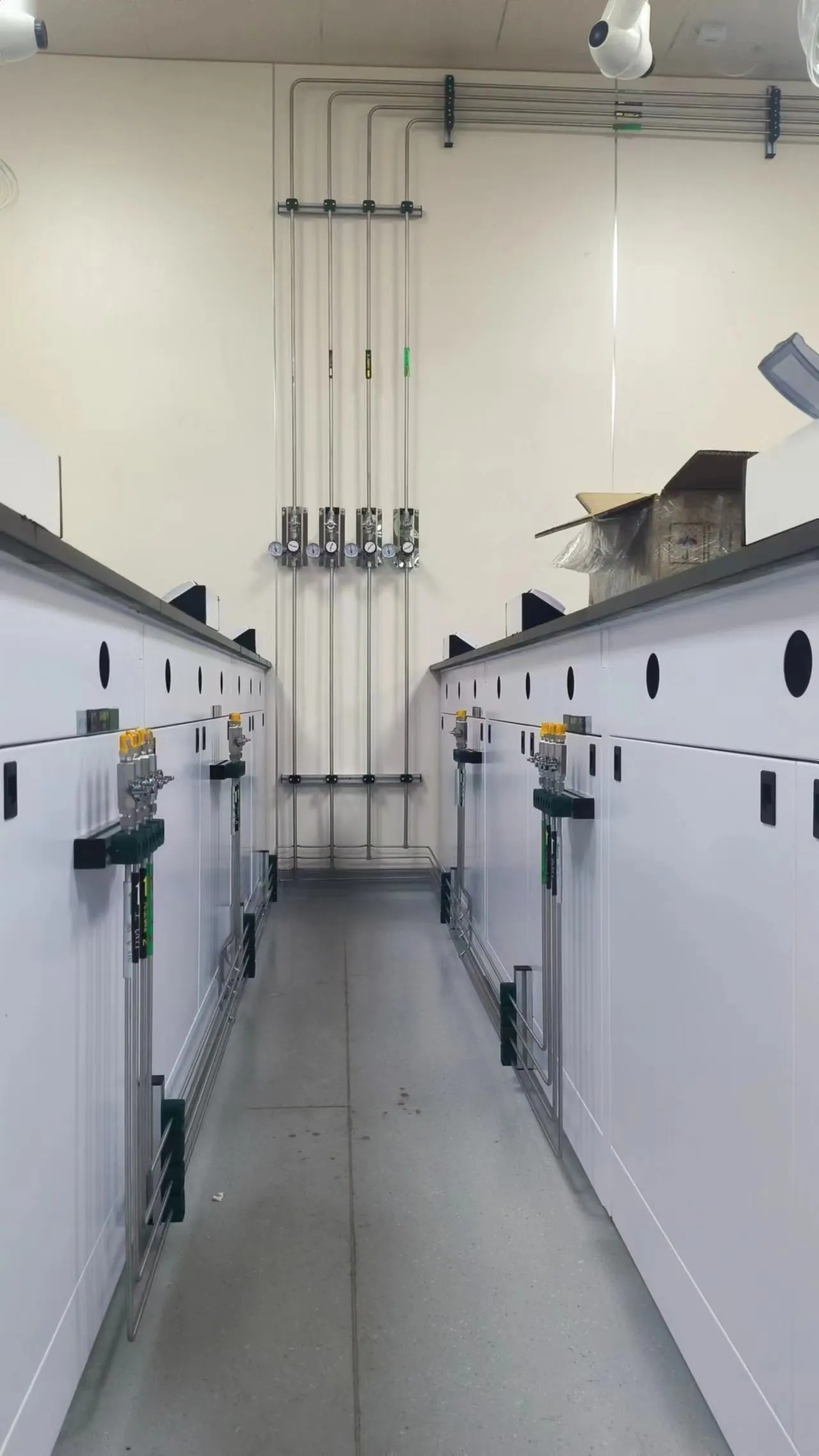
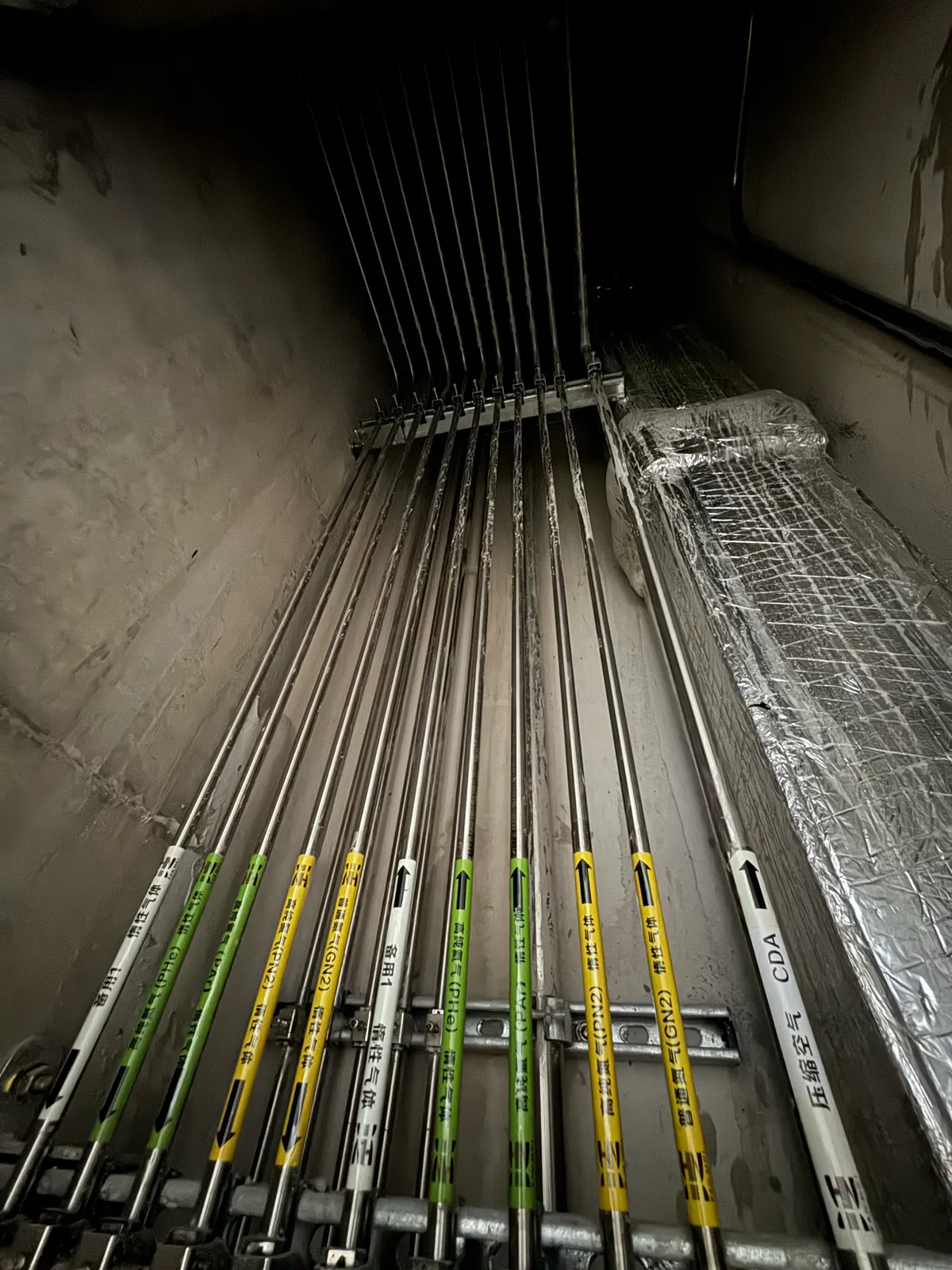
A physically available outlet is not proof that a line is suitable. First identify its source, gas, material, size, pressure rating, cleanliness history and isolation point. Compare those facts with the new instrument’s inlet conditions and the facility’s approved drawing. A spare line that was never commissioned needs its own checks before use; a line formerly carrying another gas may require more than a connector change.
Document the proposed modification and its effect on other users. Recalculate simultaneous demand where a shared header is involved. Any altered section should be inspected and tested under the approved procedure, and the outlet and as-built records should be updated. Informal tees and relabeling can make a later maintenance task much harder and can compromise a sensitive method.
06 / USEFUL EVIDENCE
What information should accompany a technical inquiry?
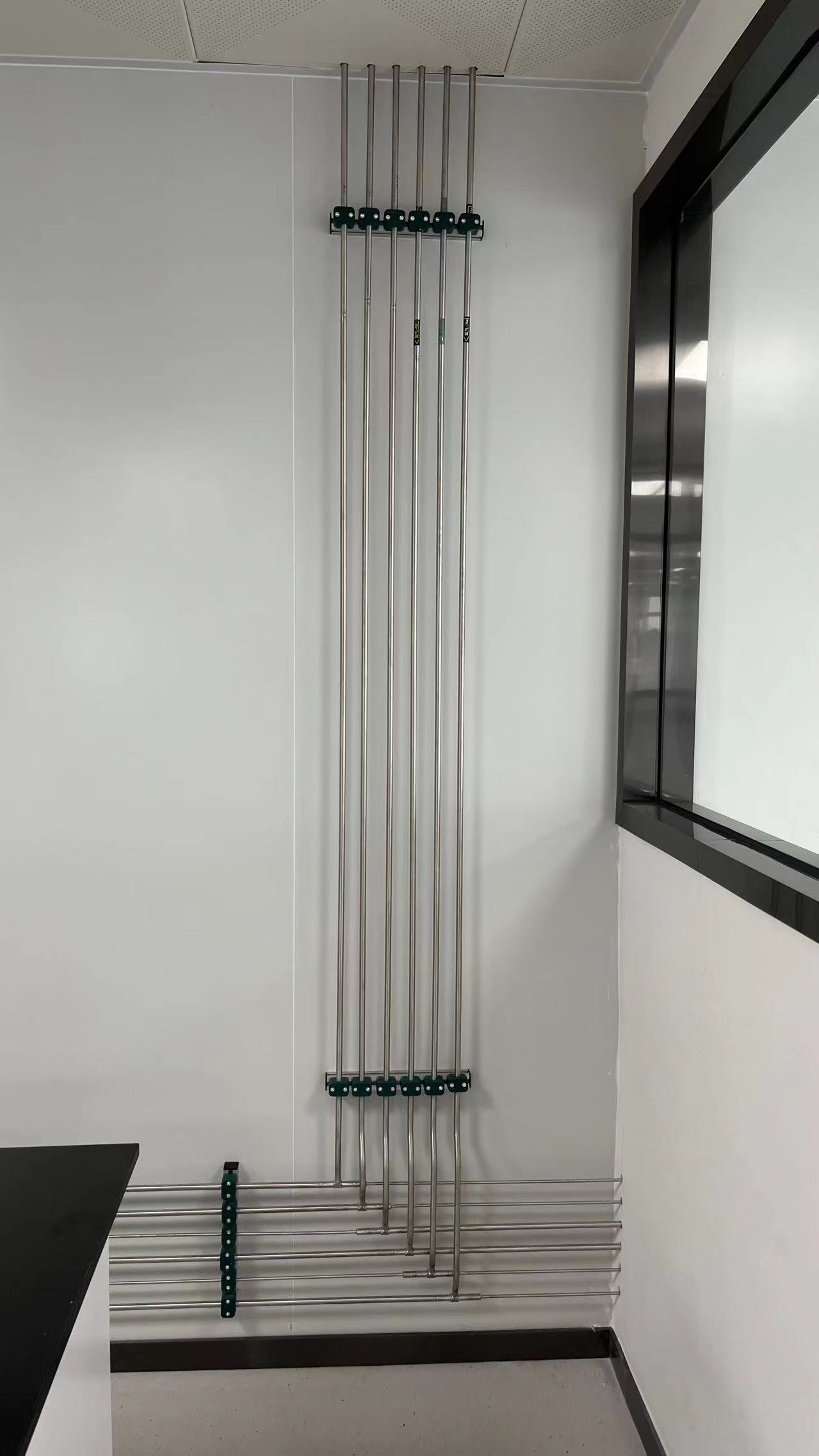
Include the gas and instrument, the exact model or assembly if known, the source arrangement, the line tag and the symptom or decision to resolve. State when the issue began, whether a cylinder or instrument was changed, and what pressure readings or alarm messages were recorded. A photo can help locate a component, but it cannot confirm the unseen route, leak-tightness or delivered purity.
For design questions, add a room plan and instrument schedule. For an installed system, add the latest as-built drawing and relevant test or maintenance records if available. Do not send sensitive facility information without authorization. This context lets LGF identify what can be answered from product data and what needs an on-site engineering or safety review.
NEXT-STEP CHECKLIST
Information that makes an answer more reliable
- Gas identity and grade, with the instrument or process served.
- Source type, regulator or manifold model and cylinder status.
- Line tag, outlet location and latest as-built drawing.
- Required and observed inlet or outlet pressure under stated flow.
- Recent cylinder exchanges, maintenance, alarms or room changes.
- Facility procedure and responsible contact for abnormal conditions.
PRACTICAL QUESTIONS
Quick answers to frequent questions
Can several instruments share one gas line?
Sometimes, when gas quality, pressure, simultaneous demand, continuity and safety requirements are compatible. Confirm them in a gas-by-instrument matrix before sharing a header.
Does automatic changeover eliminate cylinder monitoring?
No. Staff still need to monitor bank status, replace empty cylinders and respond to alarms under a defined procedure.
Can I use a regulator marked high purity for a corrosive gas?
The label is not enough. Confirm the exact model’s wetted materials, seals, pressure and gas compatibility in the current manufacturer data.
Is a pressure drop always a faulty regulator?
No. Source depletion, simultaneous load, line loss, restriction, filter condition or an instrument issue may also contribute. Record the conditions before diagnosis.
Can a photo prove a line has passed a leak test?
No. A test record needs the boundary, method, conditions, results and responsible witness required by the project specification.
What if I suspect a gas leak?
Follow the facility emergency procedure, keep unqualified personnel from intervening and have the condition assessed by authorized personnel. Routine web support is not an emergency response service.
How often should the system be inspected?
The interval and scope depend on gas hazard, equipment instructions, service history and facility requirements. A planned annual review can be one element, but it is not a universal rule.
What should be updated after an instrument move?
Review capacity and compatibility, inspect and test affected connections, then update the outlet schedule, line tag and as-built drawing.
LGF LABORATORY GAS SUPPORT
Tell us which line, gas and instrument are involved.
A short description plus model, pressure and drawing information helps LGF identify the right technical document or next review step.