
LGF / TECH SUPPORT
Laboratory Gas System Product Selection Guide
Choose each component by what the gas and instrument require. This guide turns a gas schedule into a clearer source, control, distribution and point-of-use equipment brief.
A PRACTICAL TECHNICAL GUIDE
What information makes a selection defensible?
A laboratory gas delivery system is a chain of decisions, not a shopping list of compatible-looking fittings. The source, first-stage control, valves, distribution line and terminal all affect the conditions at an instrument. A useful selection brief therefore starts with the gas and the equipment it serves: identity, required grade, cylinder or bulk source, inlet range, target outlet range, normal and peak flow, duty cycle, connection and any sensitivity to interruption or contamination.
The sections below focus on how a project team can compare component families and request a meaningful quotation. They are deliberately distinct from our Solutions pages, which discuss system architecture, and from individual product categories, which describe available equipment. Final compatibility, sizing and safety decisions belong to the responsible engineer and the applicable site requirements.
01 / SERVICE REQUIREMENTS
Create a gas and instrument schedule before choosing hardware
For each instrument, identify the gas name and composition, quality target at the point of use, required inlet pressure, operating and peak demand, hours of use and the consequence of a supply interruption. A nitrogen purge, a carrier-gas line and a hazardous specialty-gas process may all call for different control and safety arrangements even when they share a building. List future equipment separately so unconfirmed demand is not mistaken for an installed service.
The schedule should also name the cylinder connection, source location and instrument inlet fitting. Include a room plan and note access for cylinder exchange, bench maintenance and line isolation. This connects a proposed part number to an actual duty. If the required gas grade is unclear, request clarification from the instrument supplier or laboratory owner rather than treating a generic high-purity label as a specification.
02 / REGULATORS
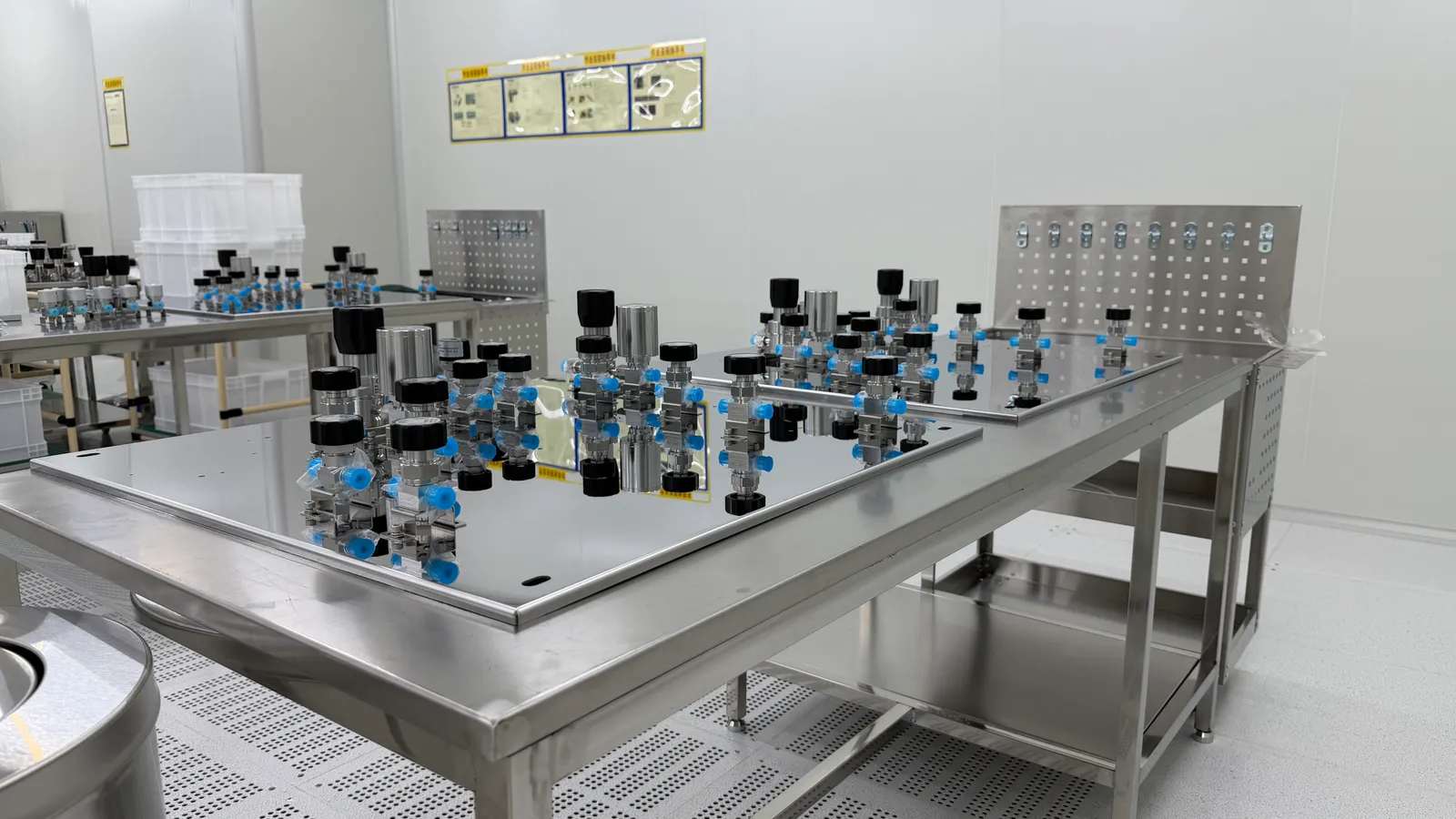
Match regulator materials and control range to the service
A regulator must tolerate the highest expected inlet condition while delivering the pressure and flow that the instrument needs. Compare control range, supply-pressure effect, pressure stability, materials in contact with the gas, seal construction and inlet and outlet connections. A single-stage unit can fit some steady or short-duration duties; a two-stage arrangement may be considered where cylinder pressure falls over time and tighter delivery stability is required. The choice depends on the actual application, not on a universal hierarchy of products.
For trace analysis or reactive gases, the suitability of wetted materials and the cleanliness of the complete path matter. A stainless-steel diaphragm, gauge or fitting should not be assumed compatible with every gas merely because it is described as high purity. Request a manufacturer data sheet for the exact model and confirm the specified gas, pressure, temperature and connection conditions before release for procurement.
03 / CABINETS AND MANIFOLDS
Choose the source arrangement around hazard and continuity
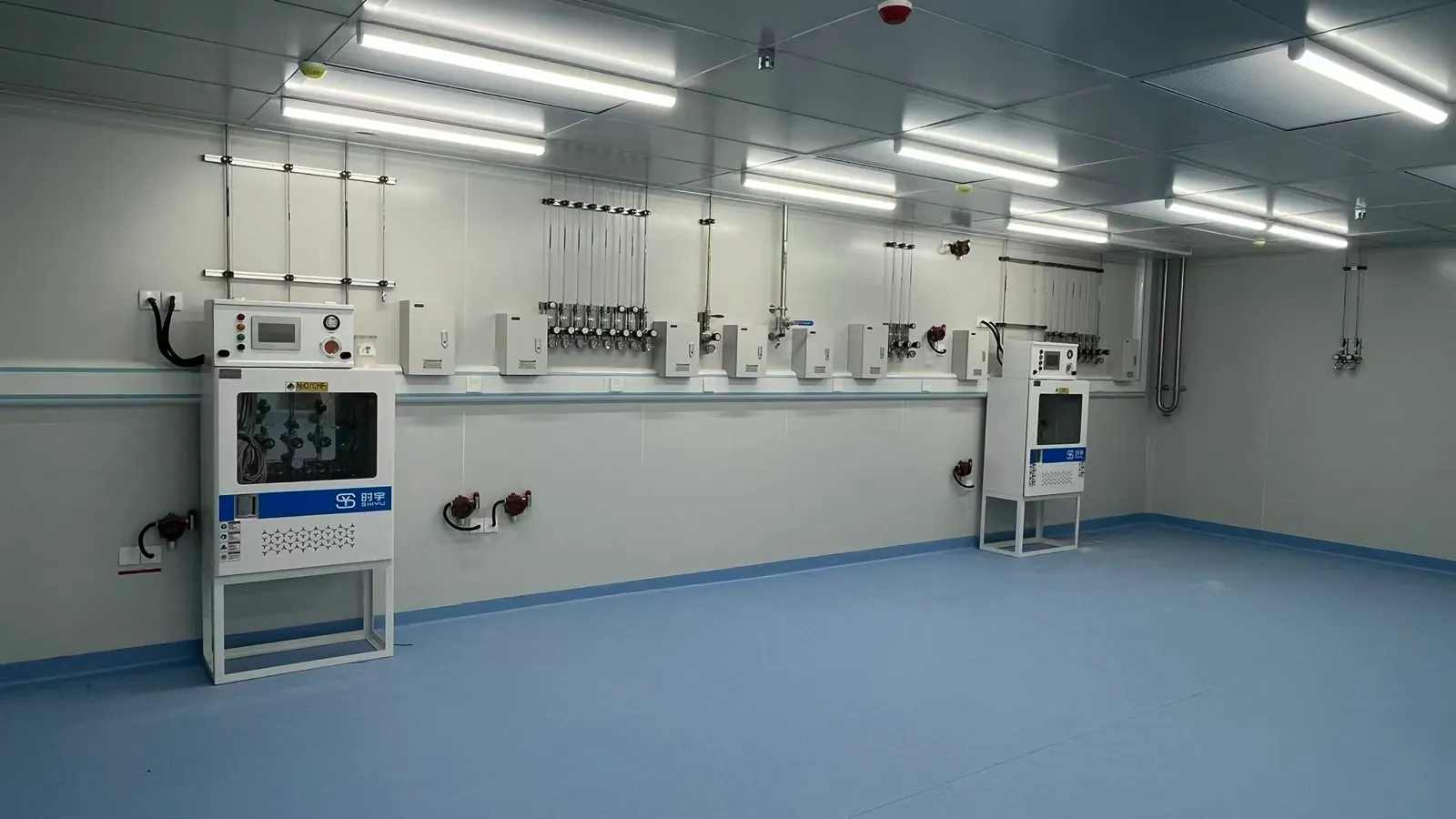
A manifold, changeover assembly or gas cabinet is selected from cylinder count, gas hazard, consumption and the permitted interruption during exchange. A fully automatic laboratory gas changeover system may be useful for continuous analytical operation, but the reserve-bank size, alarm signal and replacement process still require a duty calculation. For a low-use service, a simpler source may be appropriate if the operating procedure supports it.
Flammable, toxic or corrosive services need a separate hazard review of source containment, ventilation or exhaust, detection, emergency isolation and purge interfaces where applicable. Cabinet size and control features cannot be decided from a product photo. Map every interface to the facility team that owns it, and ask the equipment supplier for the relevant schematic and operating sequence.
04 / LOCAL CONTROL
Check what the operator sees at the outlet
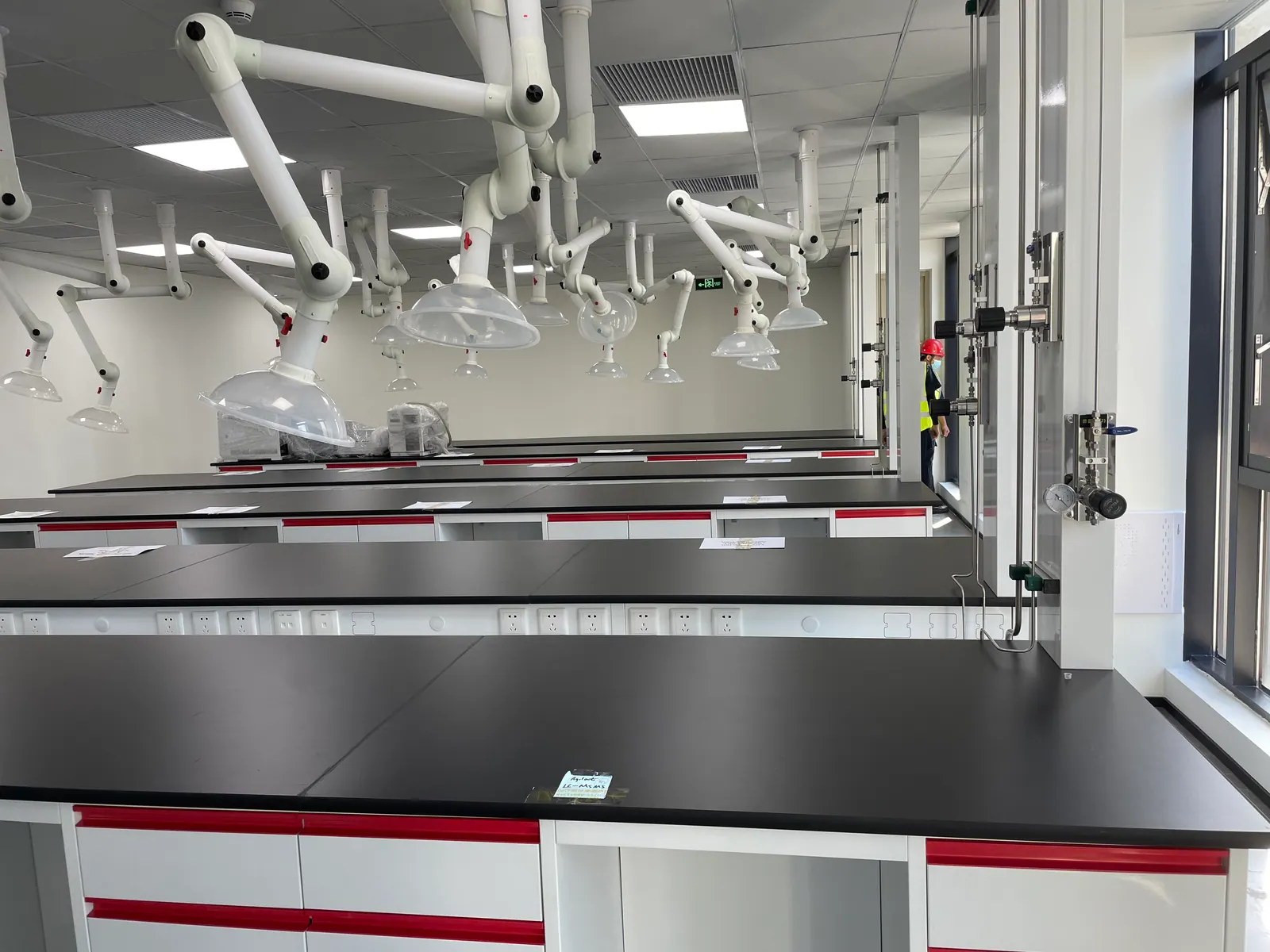
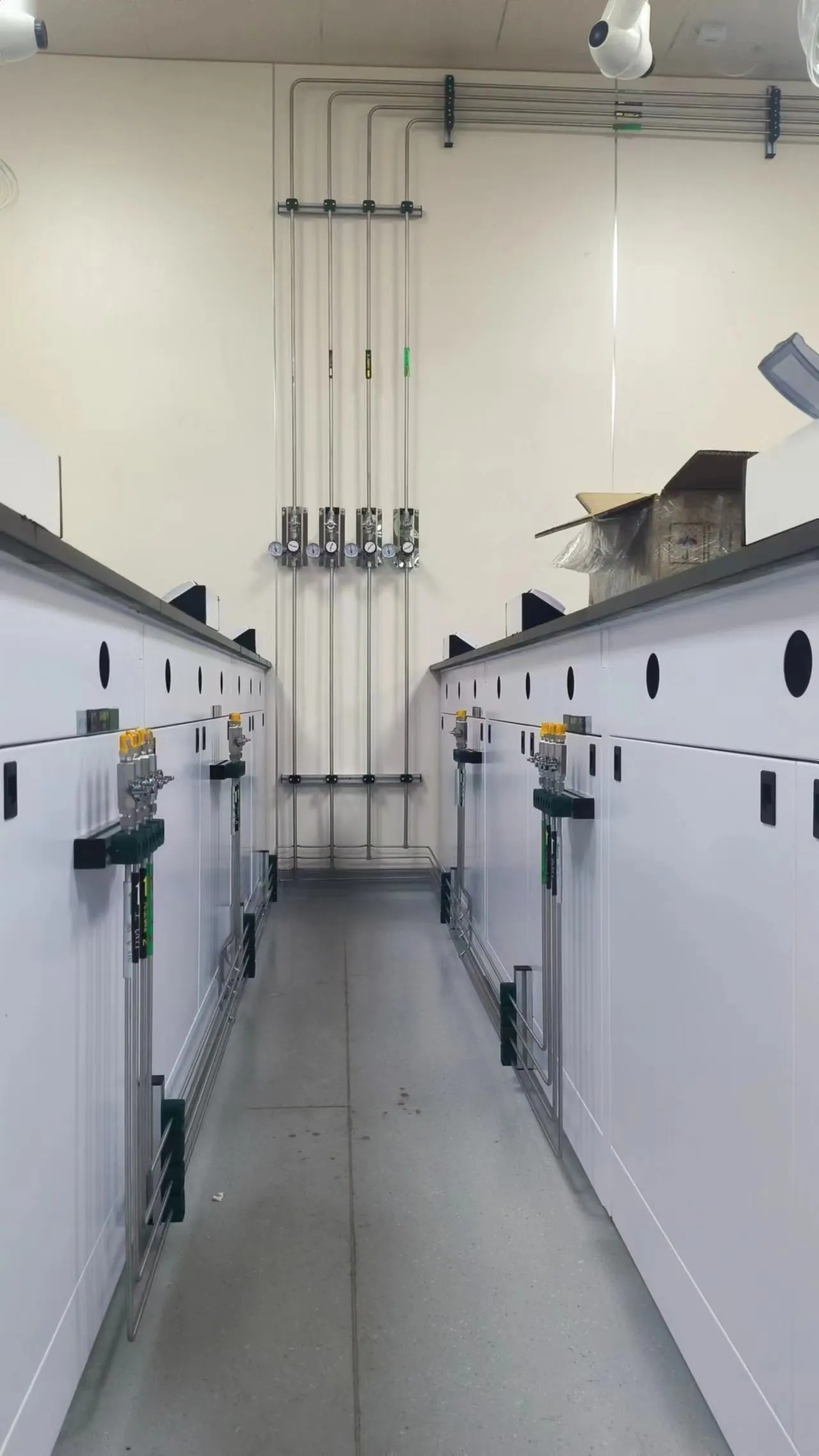
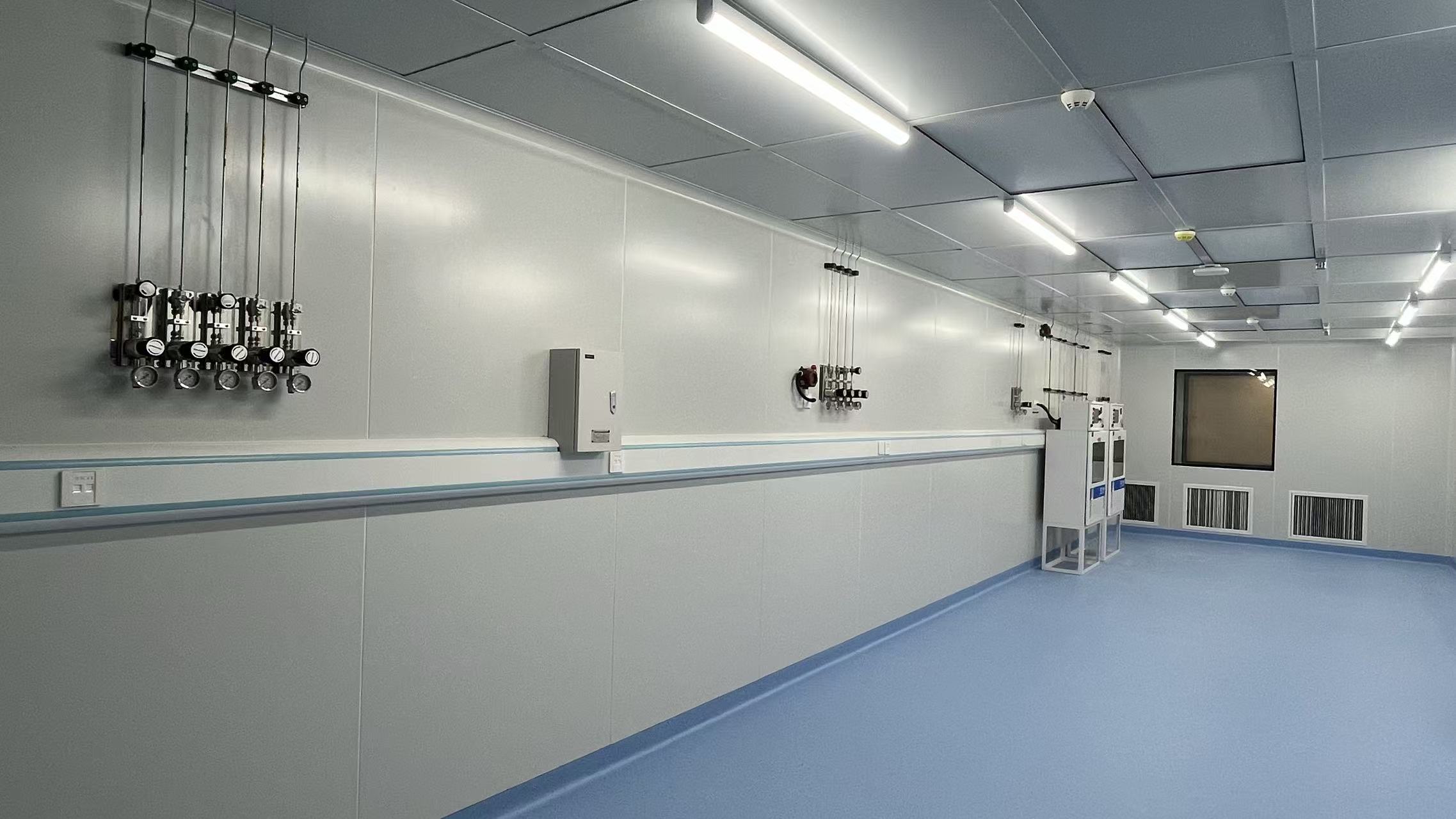
A point-of-use panel may combine local pressure control, isolation, filtration or a specific instrument connection. Its location should allow the operator to read labels and gauges without reaching behind heavy equipment. The gas identity, expected pressure and line tag should be unambiguous. Adjacent outlets with different gases or pressures deserve particular attention during layout and handover.
The final flexible connection or tube to the instrument is part of the delivery path. Confirm its material, fitting type, length and maintenance access with the instrument supplier. If several devices use one header, check simultaneous demand and whether a local regulator is needed. A neat panel does not compensate for insufficient source capacity or an incorrectly sized distribution line.
05 / PIPE AND VALVES
Keep the selected components compatible as a system
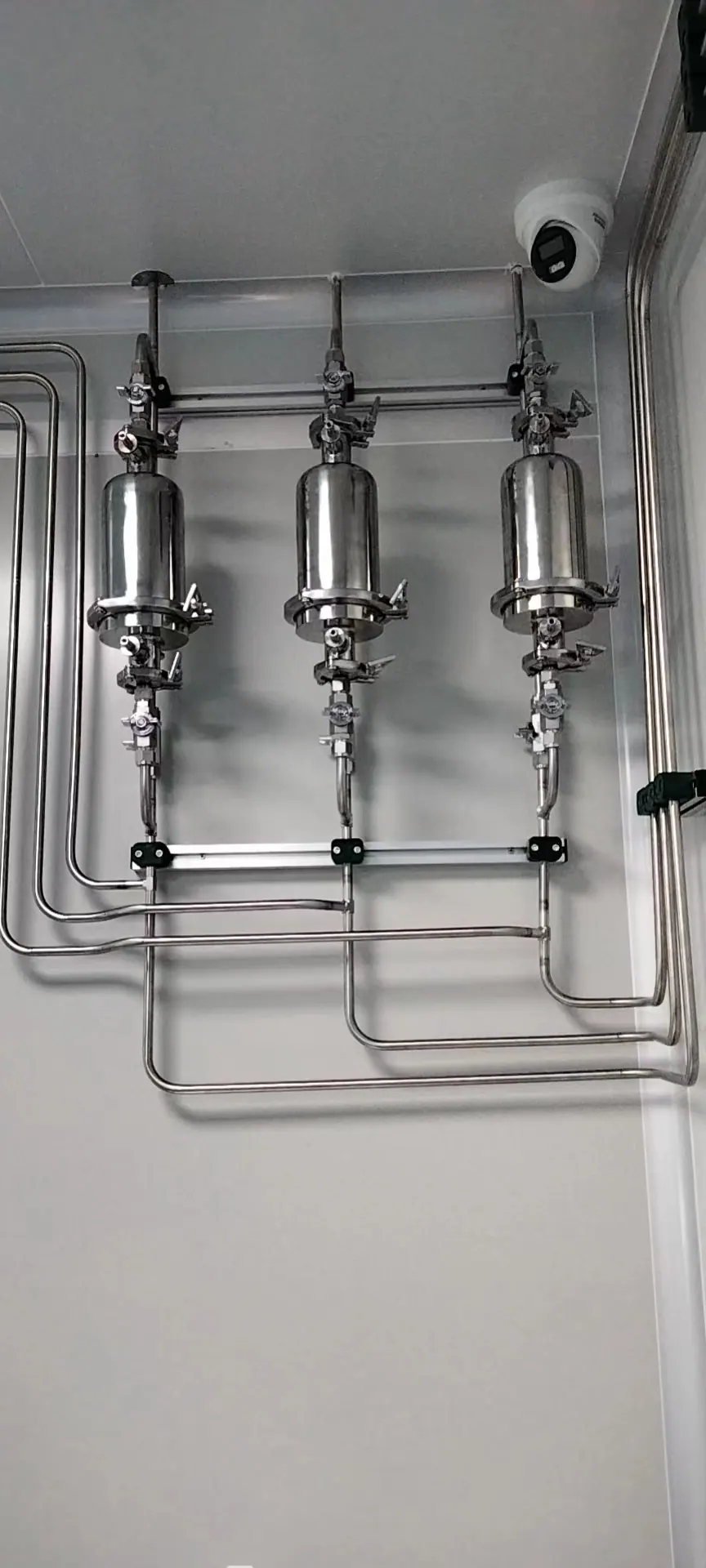
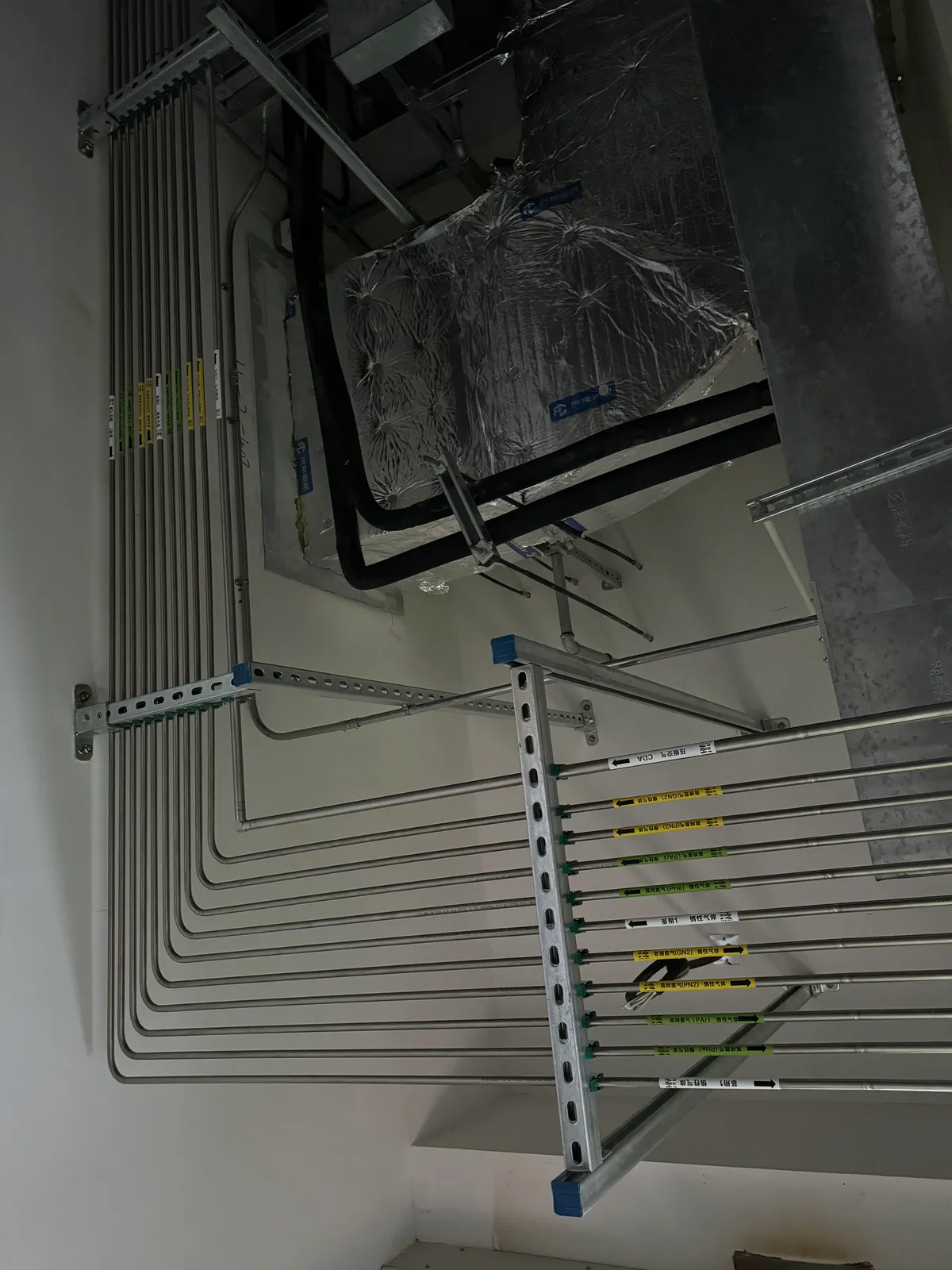
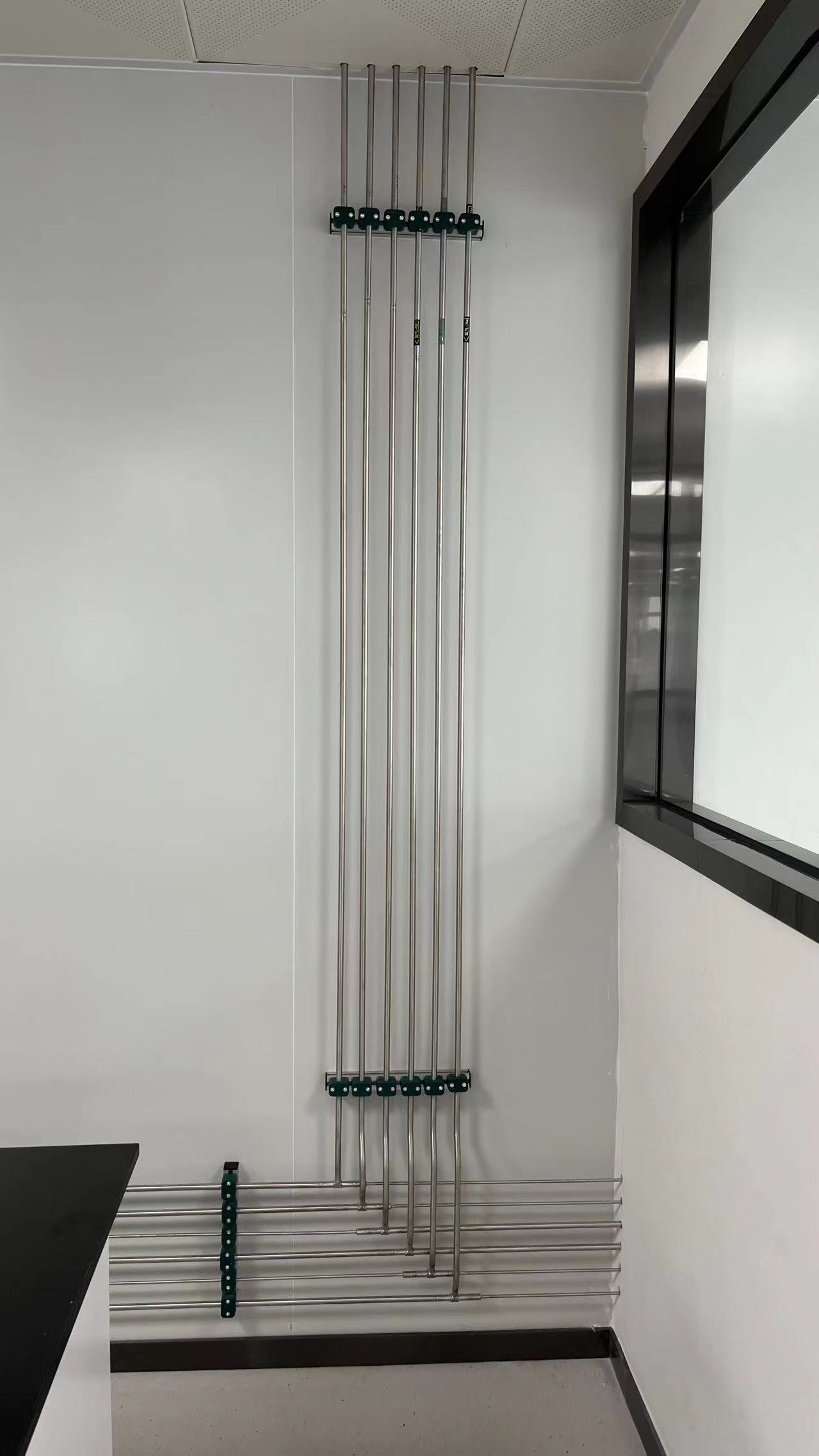
The piping material and joint method must suit the gas, pressure and cleanliness requirement. A 316L stainless steel laboratory gas line is common in high-purity work, but the grade alone does not define internal finish, cleaning, fitting style or acceptable joining process. Valves should provide the isolation points shown on the drawing and allow safe maintenance without creating an inaccessible dead end.
Support, labeling and route protection are part of equipment selection because they determine how the selected parts can be installed and inspected. Where a cleanroom or controlled laboratory is involved, packaging and handling may matter as much as the nominal component material. The engineering schedule should name the required component characteristics rather than simply specify a broad category such as high-purity valve.
06 / QUOTATION REVIEW
Compare complete scope and approval information
A useful bid comparison lists each source assembly, regulator, valve, tube, fitting and terminal together with included drawings, testing, packaging and documentation. Ask whether installation, commissioning, cylinder connections and local safety interfaces are included or excluded. This avoids comparing a complete laboratory gas distribution system with a component-only offer as if the two prices represented the same scope.
Before an order is placed, verify the model and revision of the data sheet against the quoted configuration. Resolve unclear gas compatibility or connection details in writing. Keep the approved gas schedule and drawings with the purchase record so that substitutions or later changes can be checked against the original duty.
NEXT-STEP CHECKLIST
What to send for a useful equipment recommendation
- Gas identity, composition and target grade for each instrument.
- Source pressure, required outlet pressure, normal and peak flow.
- Operating hours, reserve capacity and allowable interruption.
- Room plan, source location, branch count and outlet positions.
- Instrument inlet connection and any material or cleanliness limits.
- Applicable facility safety interfaces and required documentation.
PRACTICAL QUESTIONS
Product selection questions
Can one regulator model serve every laboratory gas?
No. Gas compatibility, inlet and outlet range, flow, wetted materials, seals and connection details vary. Use the exact model data sheet and application requirements.
When is automatic cylinder changeover worth considering?
When the operating duty requires continuity during cylinder exchange and the source and reserve arrangement can support it. The decision should be based on consumption and downtime tolerance.
Does a high-purity cylinder assure quality at the instrument?
No. Connections, regulators, piping, purge practice and point-of-use components affect the delivered gas. Define the required quality at the instrument and verify the full path.
What is the fastest way to get a meaningful quote?
Send a gas and instrument schedule with source and outlet conditions, room plan, quantities and known site constraints. Identify assumptions that still need engineering confirmation.
LGF LABORATORY GAS SUPPORT
Share the gas schedule before choosing the part number.
LGF can review the stated gas, pressure, flow and connection conditions and identify the component information needed for the next selection decision.