
LGF / TECH SUPPORT
Laboratory Gas System Technical Support
Find the information you need to specify, install and maintain a laboratory gas delivery system—from component selection and piping checks to technical documents and planned inspections.
FIVE SUPPORT PATHS
Start with the task in front of you
This hub introduces five technical support areas for laboratory gas systems. It is written for laboratory managers, project engineers, purchasing teams and maintenance staff who need to identify the next useful question. For system design and application examples, use our Solutions and Applications pages; the guidance here focuses on selecting equipment, preparing installation information and keeping an installed system understandable over time.
01 / PRODUCT SELECTION GUIDE
Select around the gas and instrument, not the product name
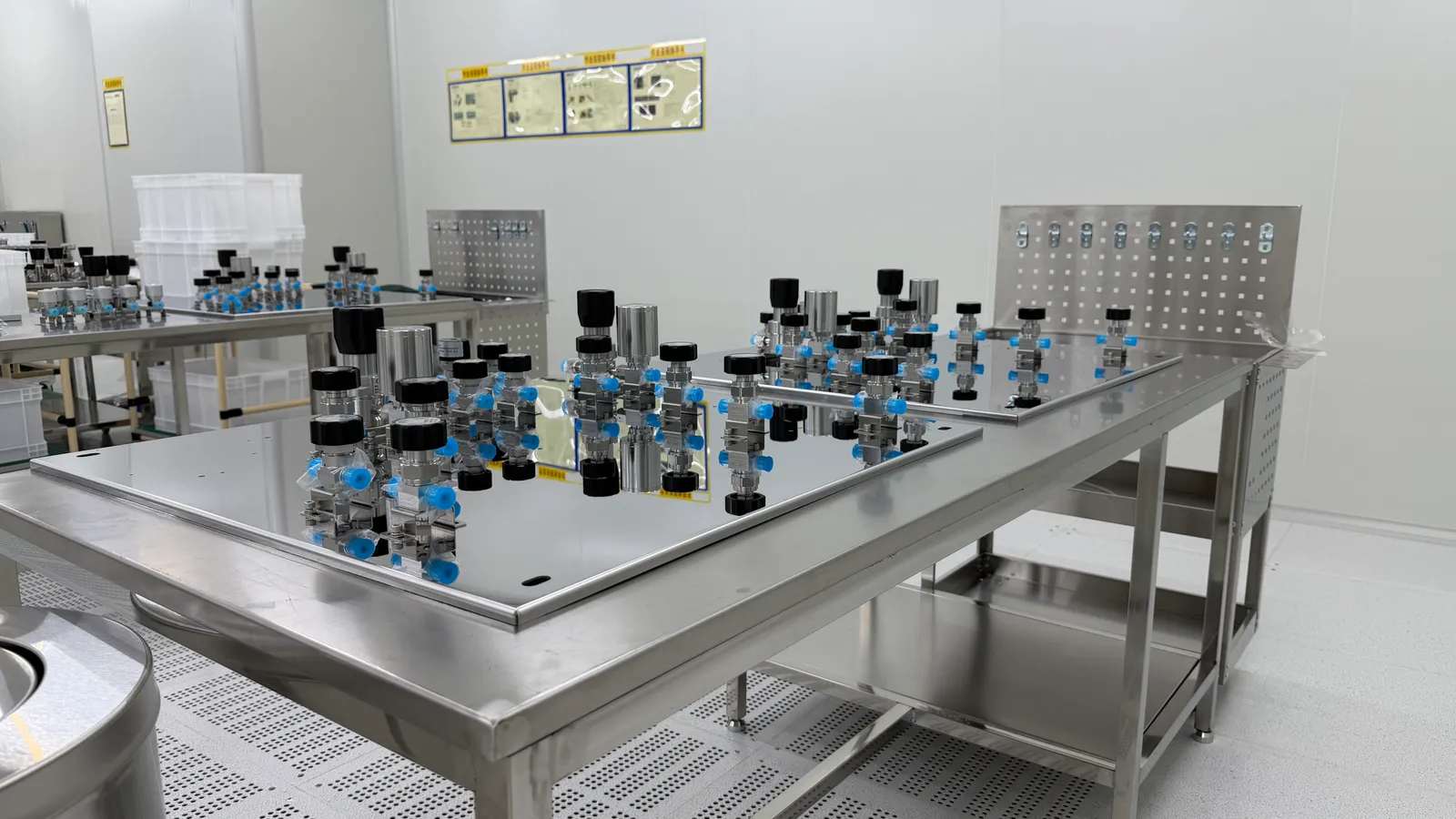
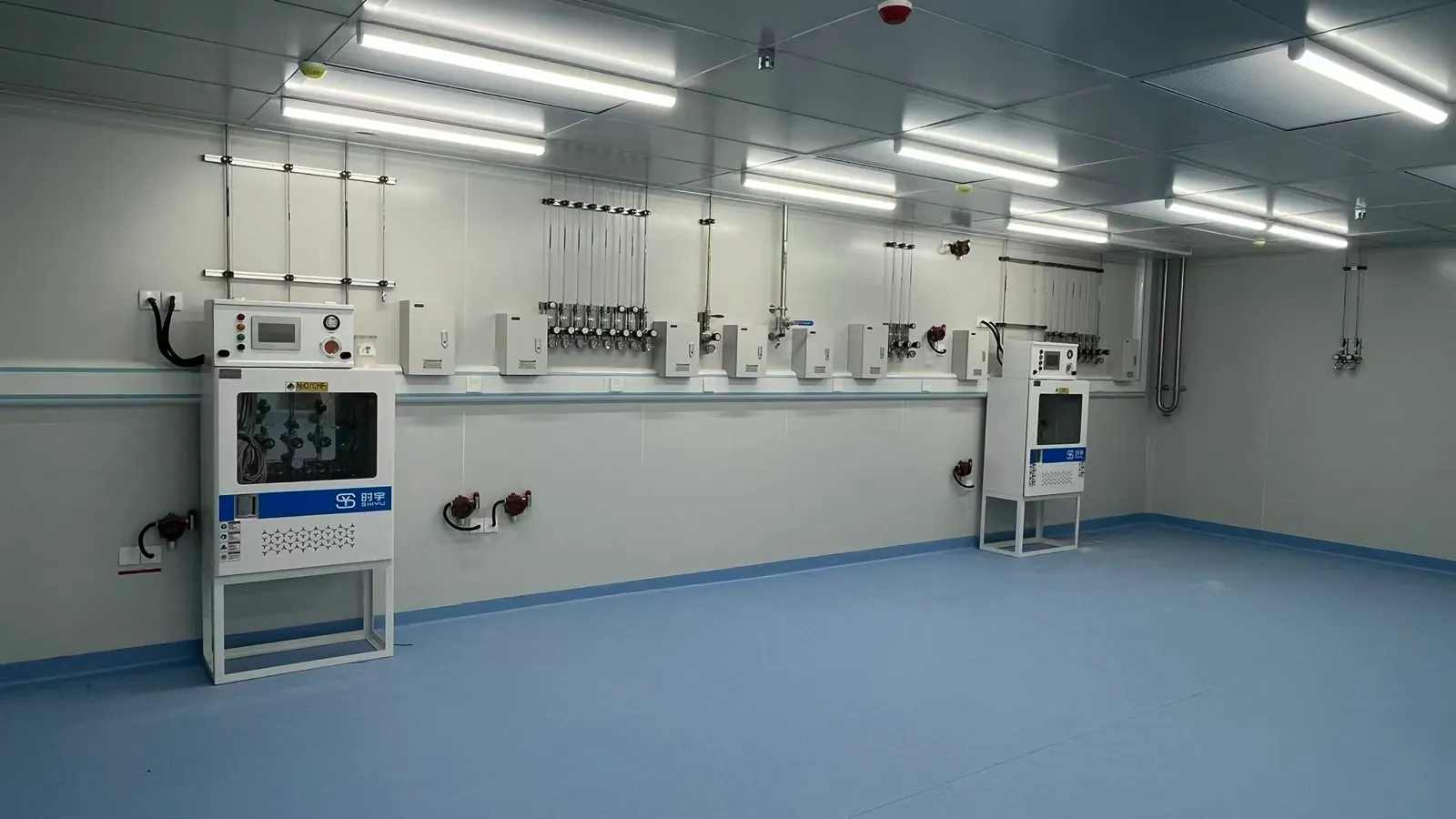
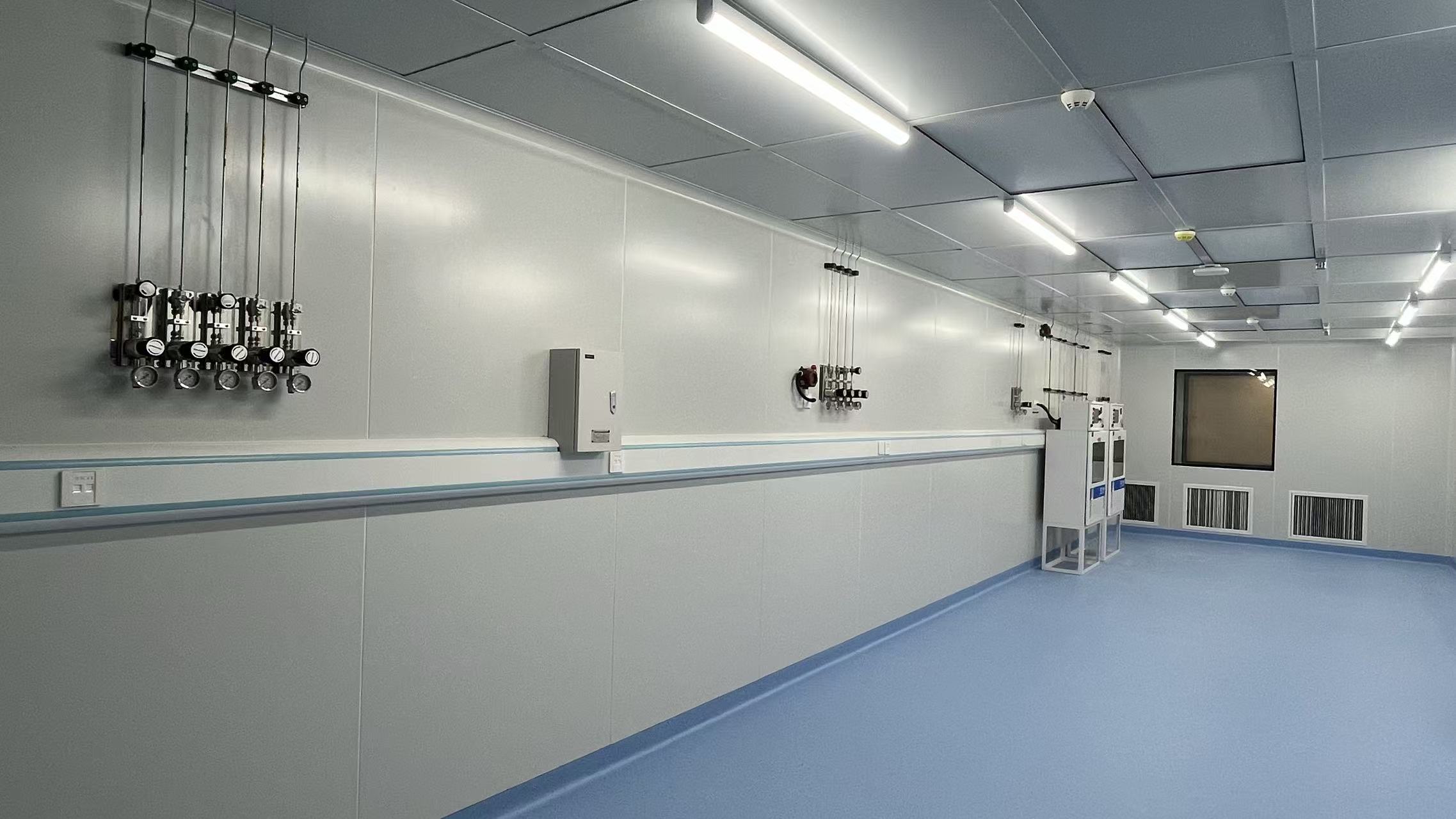
The first selection step is a service schedule: gas identity and grade, cylinder or bulk source, inlet pressure, outlet pressure, normal and peak flow, duty cycle, wetted-material requirements and instrument connection. Those facts help narrow choices among high-purity regulators, gas cabinets, changeover manifolds, diaphragm valves, tubing and point-of-use panels. A component that fits mechanically may still be unsuitable for a gas, pressure range or cleanliness target.
For a B2B quotation, send a marked-up room plan and the equipment list together with the gas schedule. The response can then distinguish source equipment from distribution and local pressure control. It should also identify assumptions that need the facility engineer’s confirmation before procurement.
- Check gas compatibility and required grade at the actual point of use.
- Compare source pressure, outlet range, peak flow and continuity needs.
- Confirm connections, materials and room interfaces before ordering.
02 / INSTALLATION GUIDANCE
Turn the approved design into a traceable gas path
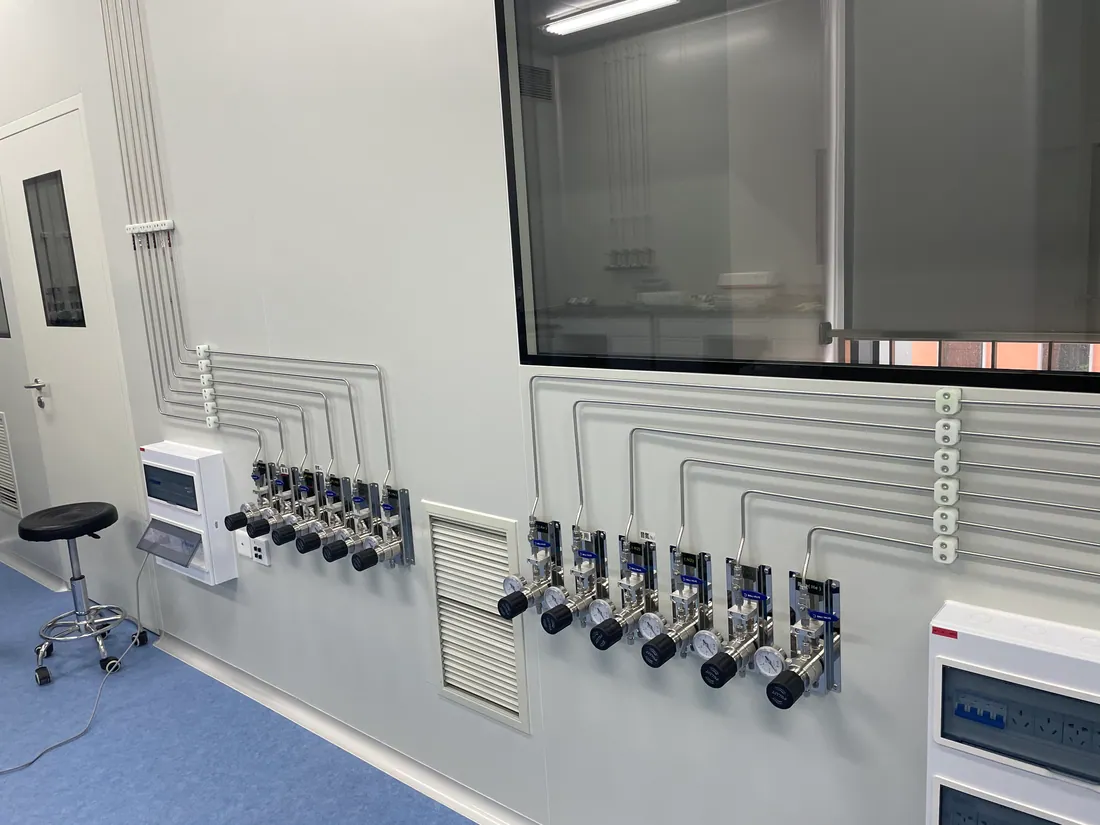
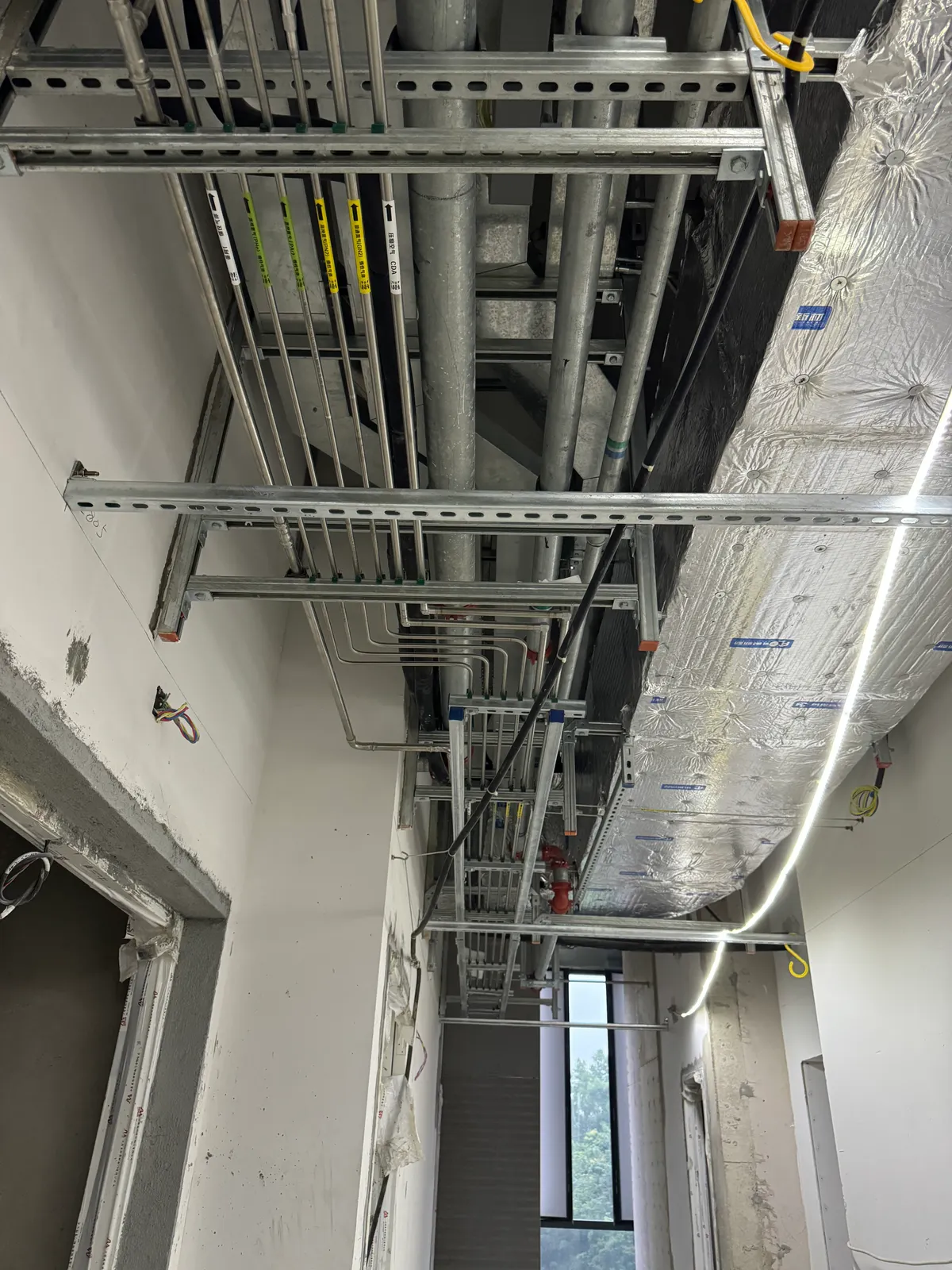
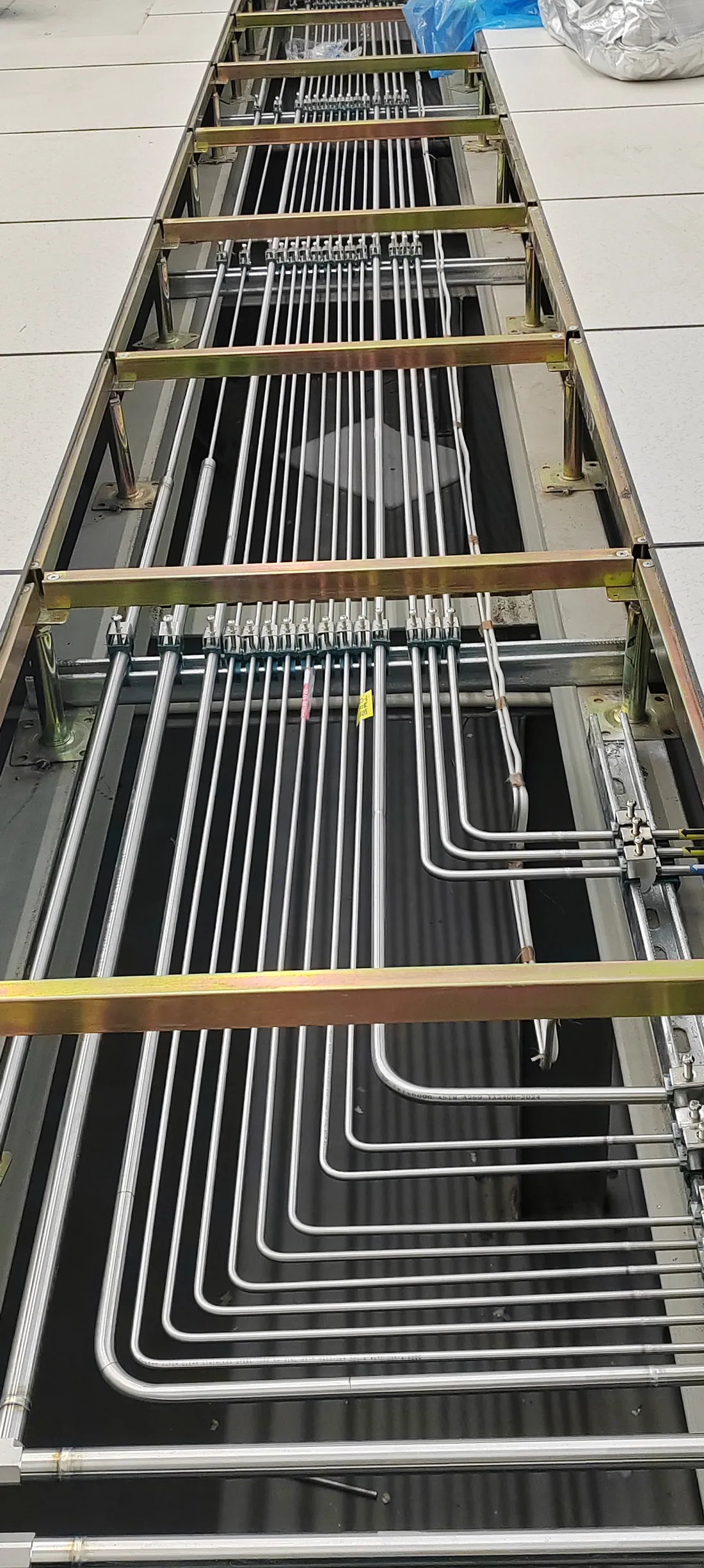
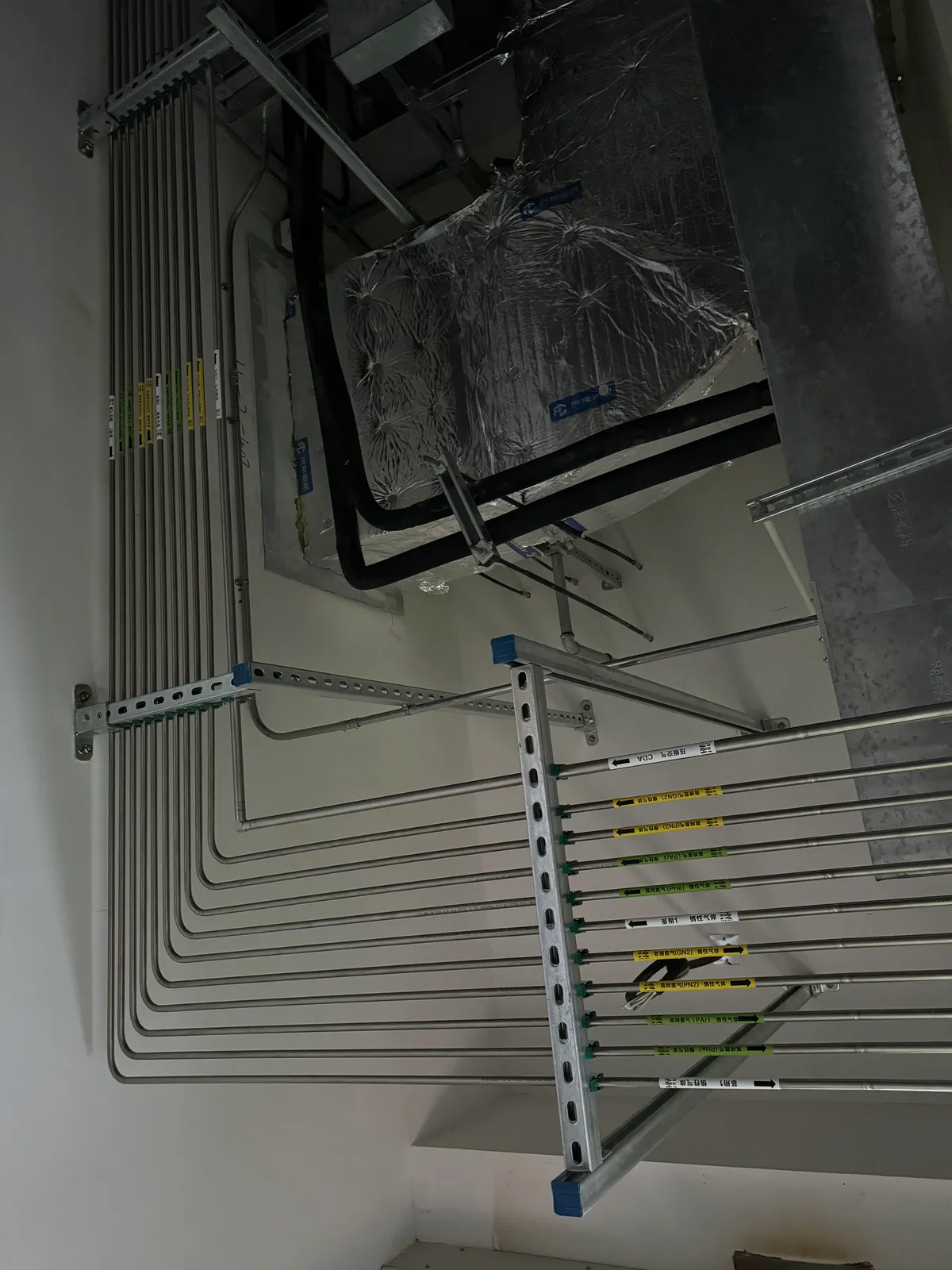
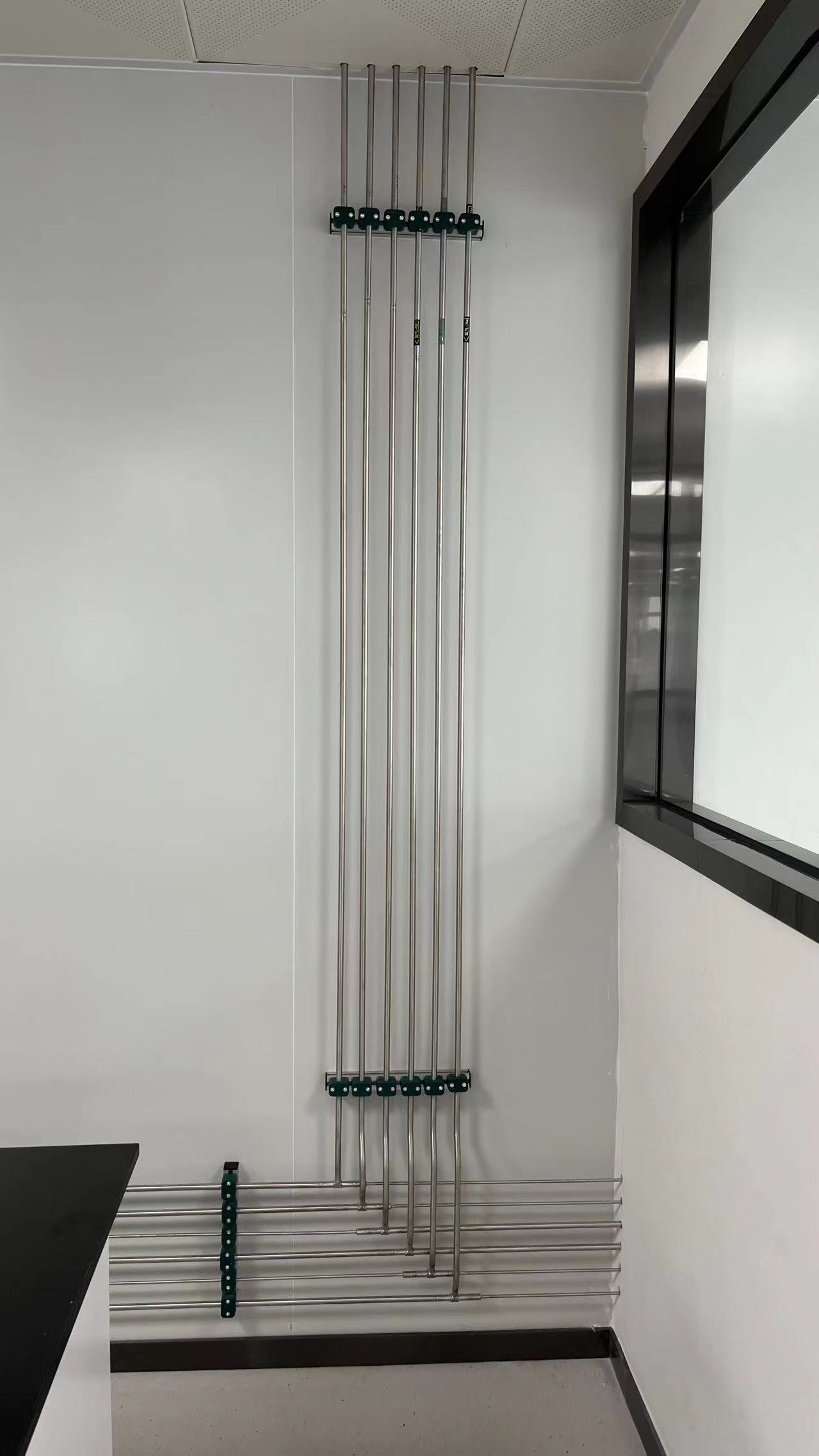
Laboratory specialty gas installation begins with approved drawings, a line list and access to the source and instrument locations. The installation plan should identify the material, joining method, pipe support, isolation points, labels and protection needed for each gas. High-purity work may also require controlled handling of clean tubing and fittings. The exact code, specification and acceptance criteria depend on the site, gas hazards and jurisdiction; they should be agreed by the responsible engineering and safety teams.
Before a service is released to a laboratory, the team should document line identity, inspections, appropriate leak or pressure checks, purge or cleanliness steps where required, and outlet conditions. A photograph of installed pipework cannot replace the test record. The resulting as-built drawing and valve schedule make later maintenance and alterations safer to plan.
- Confirm the route before concealed sections are closed.
- Keep every branch identifiable from source to outlet.
- Define testing and handover evidence before commissioning.
03 / FREQUENTLY ASKED QUESTIONS
Answers to the questions that shape the next decision
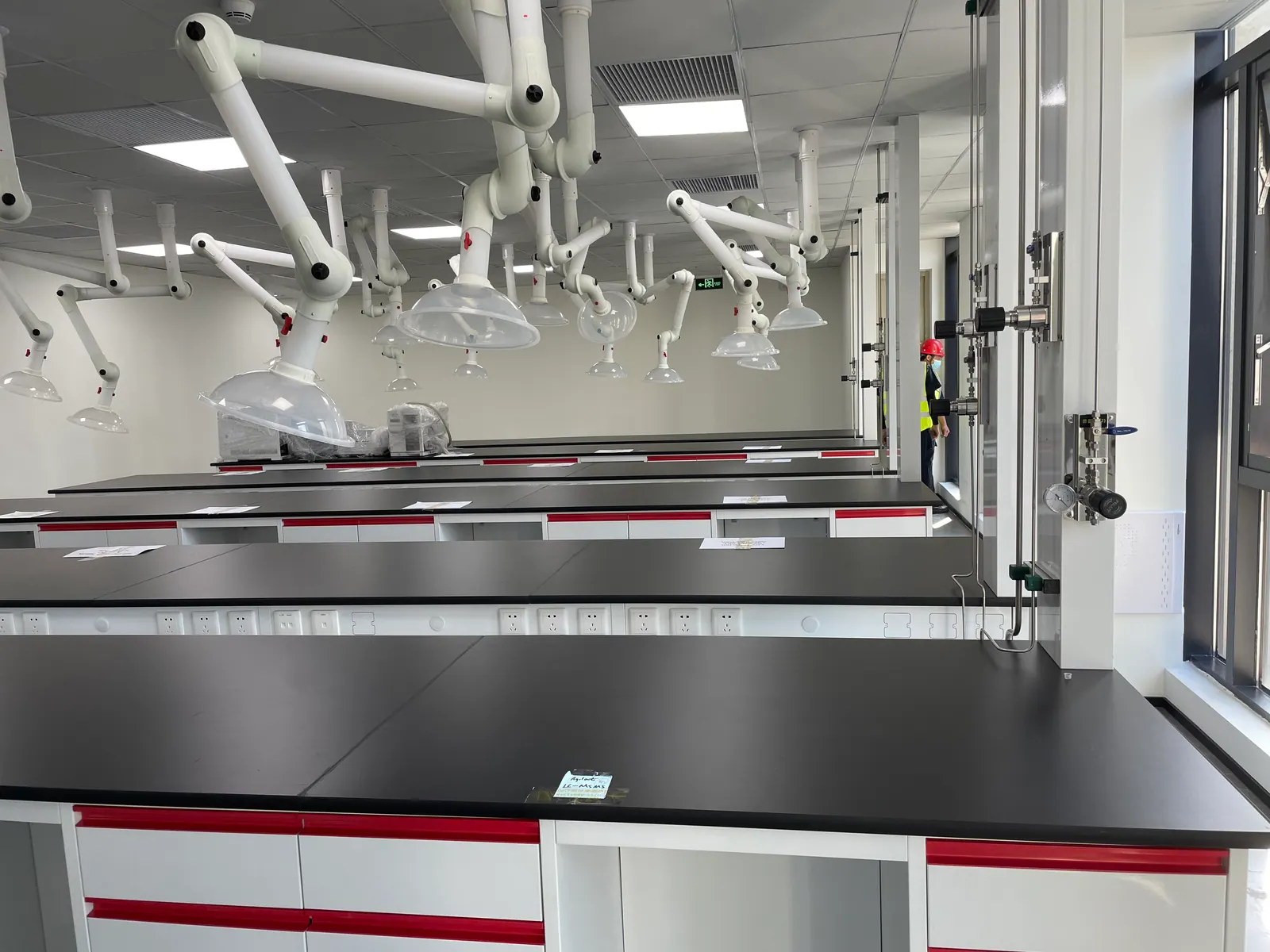
Common questions are often about system boundaries rather than one component. Can two instruments share a gas header? Is an automatic changeover necessary? Does a high-purity cylinder guarantee the same quality at the instrument? The answer depends on the agreed gas grade, pressure, flow, duty pattern and route between source and outlet. Our FAQ area is organized around these practical decisions and the information needed to answer them responsibly.
For an existing installation, include the line tag, gas, recent change or alarm condition, model information and available records when asking for help. If a service has a suspected leak or abnormal condition, follow the facility’s emergency procedure and have qualified personnel assess it; a web answer is not a substitute for site isolation and investigation.
- Source and changeover questions.
- Pressure, purity and point-of-use questions.
- Installation records and change-control questions.
04 / TECHNICAL DOCUMENTS & CATALOGS
Request the document version that matches your equipment
Useful technical material may include product catalogs, dimensional drawings, material and connection details, regulator performance information, installation instructions and operation or maintenance guidance. For a laboratory gas manifold or panel, a project-specific drawing and bill of materials can be more useful than a generic brochure. Document revision, model number and intended gas service should be checked before a file is used for design approval.
Approved downloads will be listed here when current files are available. For now, send the product model or project schedule and specify the document type you need. We can identify material relevant to that configuration instead of directing you to an unrelated or outdated PDF.
- State product family, model and connection size where known.
- Ask for the exact data needed by your engineering or procurement team.
- Check revision and project applicability before relying on a document.
05 / AFTER-SALES SERVICE & ANNUAL INSPECTION
Keep the installed system understandable and serviceable
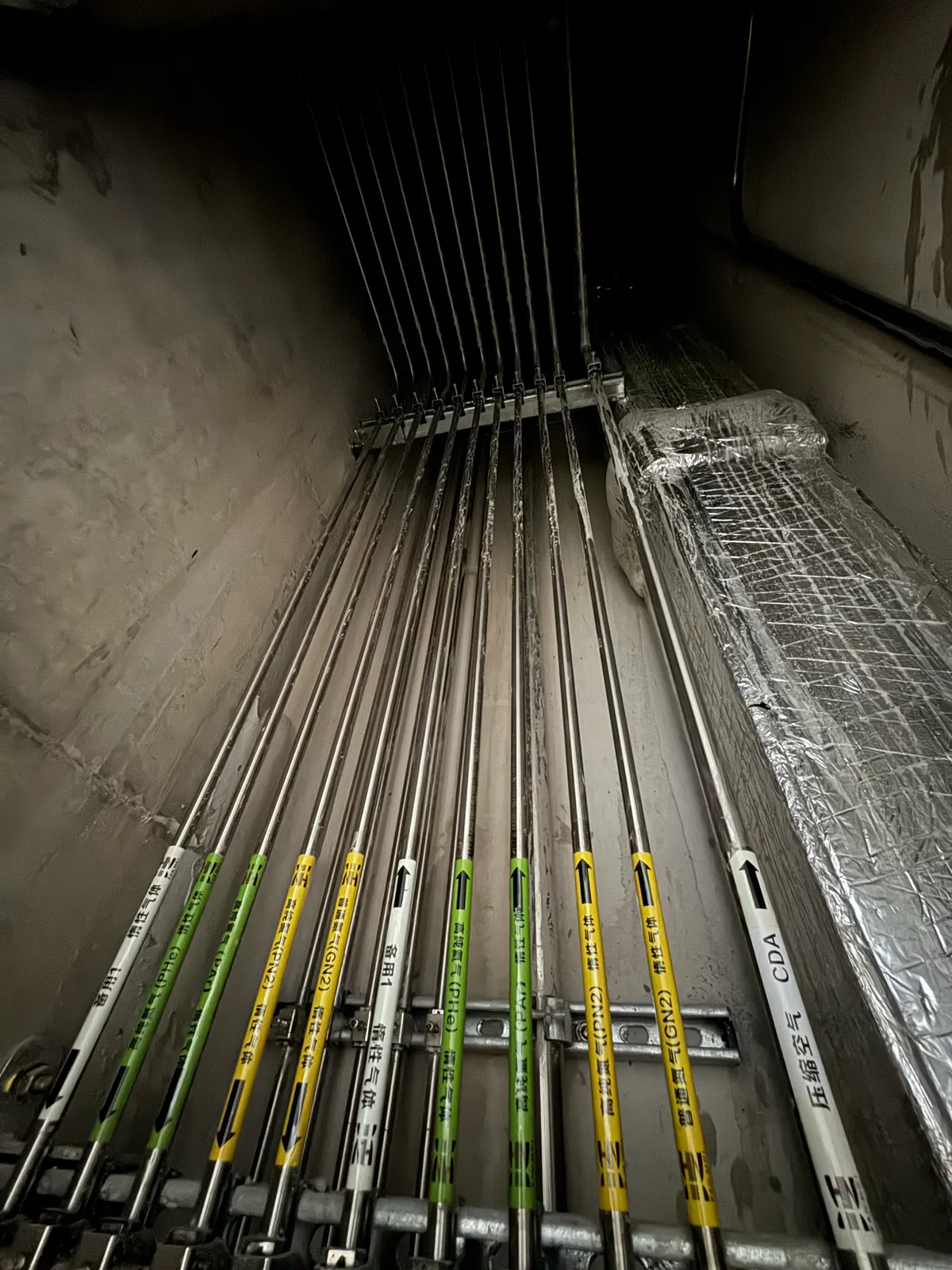
After handover, a laboratory gas supply system can change as instruments move, cylinders are exchanged and rooms are repurposed. A planned review can compare the installed source, piping and terminals with the current gas list and as-built records. The scope may cover visible condition, labels, accessibility, regulator and gauge status, documented alarms, isolation arrangements and the status of maintenance or test records. Any intrusive test or repair requires a separate method and safe isolation plan.
An annual inspection is a useful scheduling point for many facilities, but the required frequency and checks must follow the actual gas hazards, equipment instructions, site policy and applicable requirements. The outcome should be a prioritized action list with the affected line or component identified, rather than a generic pass/fail promise. Changes to gas identity, pressure or instrument demand should trigger a fresh engineering review.
- Compare current room use with the original gas and outlet schedule.
- Record observed defects and the location of affected equipment.
- Plan repairs, replacement and retesting under site procedures.
GET A USEFUL TECHNICAL RESPONSE
Send enough context for the right next step
For a suspected unsafe condition, follow the facility’s emergency procedure before requesting routine technical support.
LGF TECHNICAL SUPPORT
Tell us what your laboratory gas system needs to do.
Share a gas and instrument schedule, a drawing or the product model. We can help identify the selection data, document or service discussion needed for the next project decision.